The Ultimate Hiking Packing List (Day Hikes + Overnight)
🌍 Plan & Book Your Trip
Compare the best deals for this destination — flights, hotels, tours and more:
Affiliate links — we may earn a commission at no extra cost to you.
Everything you need for a day hike, laid out and ready to go. The right gear doesn’t have to be expensive — but it does have to be there when you need it.
I’ve forgotten sunscreen on a desert hike (second-degree burn), left my headlamp at home before a sunrise summit (turned back 20 minutes in), and once showed up to a waterfall hike without water shoes and spent four hours with pruned, bleeding feet. Every single one of those mistakes would have been prevented by a checklist — which is why I finally made one that I use before every single trip. This hiking packing list is the actual list I run through before leaving the house, whether it’s a 3-mile afternoon stroll or a 5-day backcountry trip. It covers everything from the Ten Essentials to comfort items to seasonal additions, organized by category so you can scan it in 2 minutes and know exactly what you’re missing.
The beauty of a good packing list isn’t that you bring everything on it every time — it’s that you consciously decide what to leave behind based on the specific hike, instead of accidentally discovering you forgot something critical at mile 5.
Affiliate disclosure: This guide contains affiliate links. If you buy through one, we may earn a small commission at no extra cost to you. We only recommend gear we’ve actually tested or would happily use ourselves. Full disclosure here.
Key Takeaways
- The Ten Essentials form the base of every hike regardless of length — navigation, sun protection, insulation, illumination, first aid, fire, tools, nutrition, hydration, shelter.
- Day hike packing is simpler than you think — 10-15 items in a small pack covers 90% of situations.
- Overnight adds sleep system, cooking, and more clothing — but a good day hike kit is still the foundation.
- Season-specific additions (traction devices in winter, sun protection in summer, bug spray in spring) prevent the most common trail miseries.
- You don’t need expensive gear — the items that matter most (water, first aid, navigation) cost almost nothing.
- Test before you trek — never bring untested shoes, packs, or layers on a serious hike. Break everything in on short walks first.
Quick Facts
| Detail | Info |
|---|---|
| Day hike pack weight | 10-15 lbs (4.5-7 kg) typical |
| Overnight pack weight | 25-40 lbs (11-18 kg) typical |
| Minimum pack size (day) | 15-25 liters |
| Minimum pack size (overnight) | 40-65 liters |
| Water needed | 0.5 liters per hour of hiking (more in heat/altitude) |
| Food needed (day) | 200-300 calories per hour of hiking |
| The #1 forgotten item | Headlamp (and it’s the one you’ll regret most) |
| Cheapest life-saving item | Emergency whistle (~$5) — audible for miles |
| Most underrated item | Dry socks in a ziplock — instant morale boost |
The Complete Day Hike Packing List
Navigation
| Item | Day Hike | Why It Matters |
|---|---|---|
| Trail map (paper or downloaded offline) | ✅ Essential | Phone batteries die. Cell service disappears. Paper works always. |
| Compass | ✅ Essential | Backup navigation if GPS fails — learn basic bearings |
| Phone with offline maps (Gaia GPS / AllTrails) | ✅ Essential | Primary navigation tool for most hikers |
| Written trip plan (left with someone) | ✅ Essential | If you don’t return, someone knows where to look |
Hydration
| Item | Day Hike | Notes |
|---|---|---|
| Water bottles/bladder (2-3 liters) | ✅ Essential | 0.5L per hour minimum; more in heat/altitude |
| Water filter or purification tabs | ⭐ Recommended | Essential if refilling from streams; backup for longer hikes |
| Electrolyte tablets | ⭐ Recommended | Prevents cramping and hyponatremia on hot/long days |
Nutrition
| Item | Day Hike | Notes |
|---|---|---|
| Trail snacks (energy bars, nuts, fruit) | ✅ Essential | 200-300 calories per hour of active hiking |
| Lunch (for full-day hikes) | ✅ Essential | Sandwich, wrap, or substantial meal for energy |
| Emergency food (extra bar) | ✅ Essential | Calorie-dense food you don’t eat unless needed |
| Electrolyte chews or gels | ⭐ Recommended | Quick energy for bonking on long climbs |
Clothing and Layers
| Item | Day Hike | Notes |
|---|---|---|
| Moisture-wicking base layer top | ✅ Essential | Never cotton on the trail — it stays wet and chills you |
| Insulating mid-layer (fleece or puffy) | ✅ Essential | Temperature drops ~3-5°F per 1,000 ft of elevation |
| Waterproof/windproof shell jacket | ✅ Essential | Mountain weather changes in minutes — always carry this |
| Hiking pants or shorts | ✅ Essential | Quick-dry, stretchy material; avoid jeans |
| Moisture-wicking socks (merino wool ideal) | ✅ Essential | The single biggest blister prevention tool |
| Sun hat or ball cap | ✅ Essential | Prevents heat exhaustion and sunburn on exposed trails |
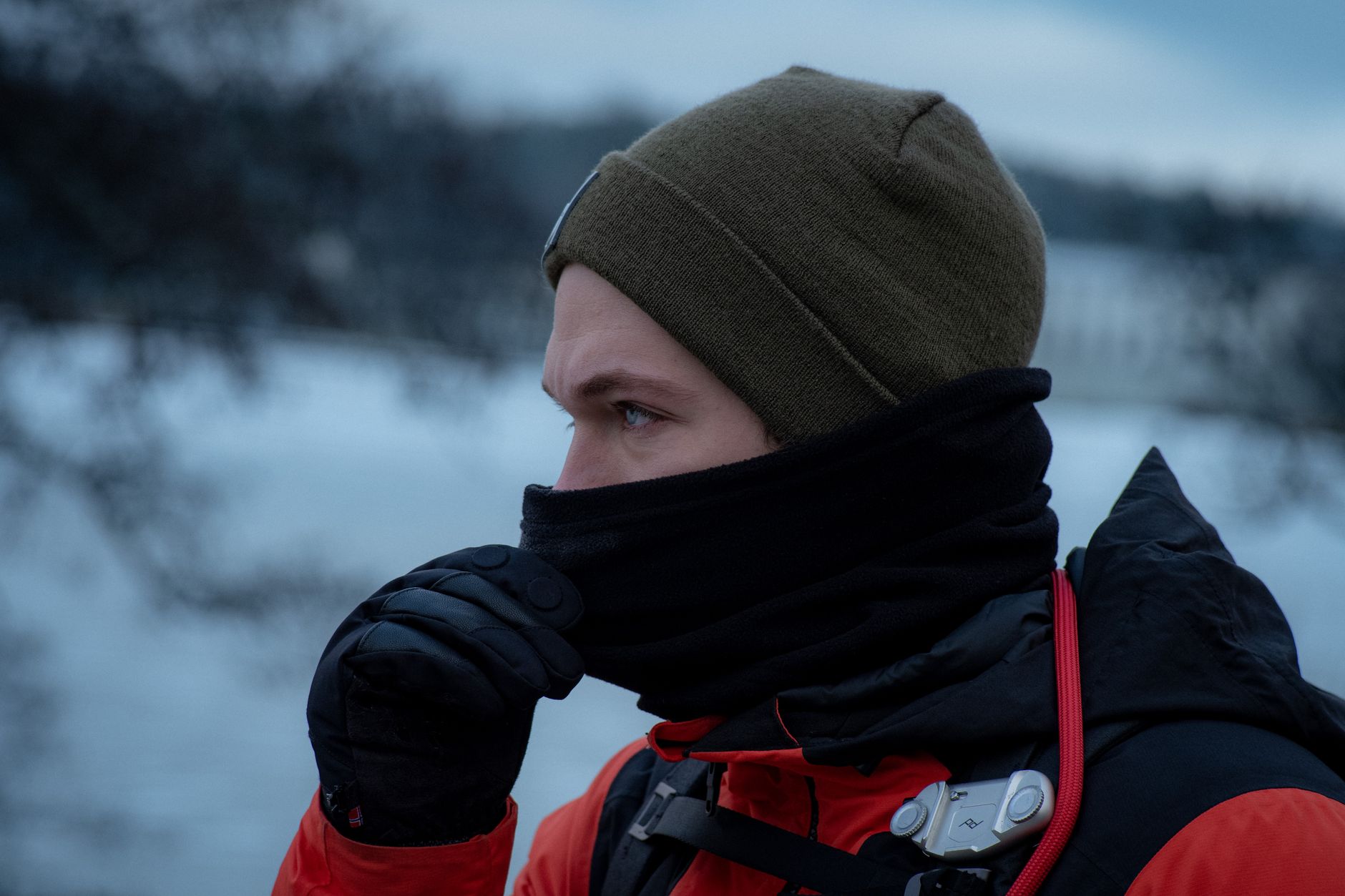
| Warm hat (beanie) | ⭐ Recommended | Weighs nothing; saves you on cold summits and windy ridges |
| Gloves (lightweight) | ⭐ Recommended | For alpine hikes, early mornings, and exposed ridges |
| Buff/neck gaiter | ⭐ Recommended | Sun protection, wind protection, dust mask — multi-use |
| Extra socks in ziplock | ⭐ Recommended | The morale boost of dry socks mid-hike is real |
Sun Protection
| Item | Day Hike | Notes |
|---|---|---|
| Sunscreen (SPF 30+ minimum) | ✅ Essential | Reapply every 2 hours; more at altitude where UV is stronger |
| Sunglasses (UV protection) | ✅ Essential | Prevents snow blindness and long-term eye damage |
| Sun hat | ✅ Essential | Already listed in clothing but critical enough to repeat |
| Lip balm with SPF | ⭐ Recommended | Lips burn fast at altitude — painful and slow to heal |
Illumination
| Item | Day Hike | Notes |
|---|---|---|
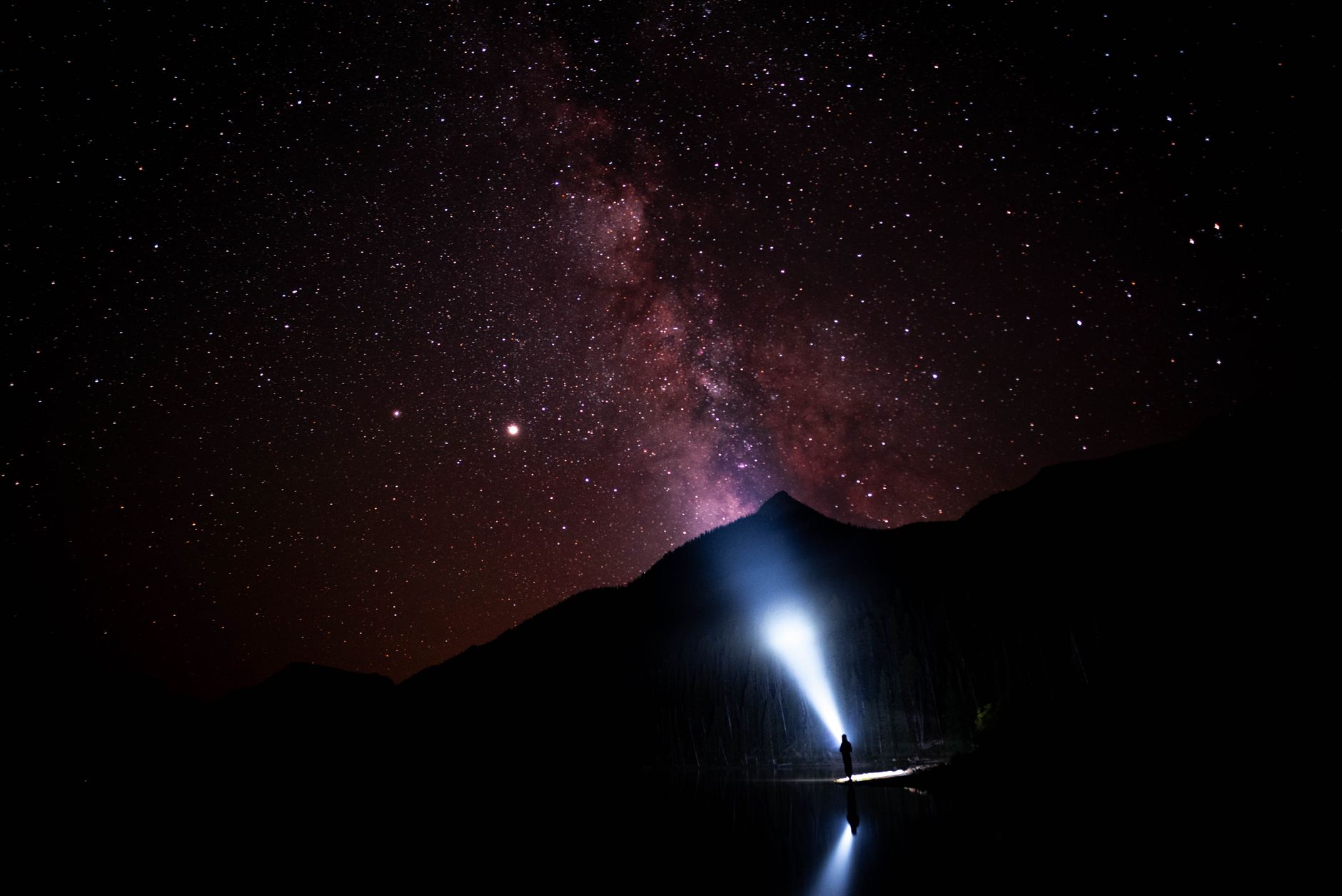
| Headlamp with fresh/charged batteries | ✅ Essential | Even day hikes can end after dark (injury, wrong turn, beautiful sunset you can’t leave) |
| Backup batteries or power bank | ⭐ Recommended | Because headlamp batteries always die at the worst moment |
→ See our full Best Headlamps for Hiking review for specific recommendations.
First Aid
| Item | Day Hike | Notes |
|---|---|---|
| Pre-built first aid kit | ✅ Essential | Minimum: bandages, antiseptic, blister patches, pain relief, tape, tweezers |
| Blister treatment (moleskin, Leukotape) | ✅ Essential | Apply at the first sign of a hot spot — don’t wait |
| Personal medications | ✅ Essential | EpiPen, inhaler, or whatever you might need |
| Emergency whistle | ✅ Essential | Three blasts = universal distress signal; audible for miles |
| Emergency blanket (space blanket) | ✅ Essential | Weighs 2 oz, retains 90% body heat — hypothermia prevention |
| Insect repellent | ⭐ Seasonal | Essential spring-fall in buggy areas |
Tools and Repair
| Item | Day Hike | Notes |
|---|---|---|
| Knife or multi-tool | ✅ Essential | Cutting, repair, first aid, food prep — endless uses |
| Duct tape (wrapped around water bottle or trekking pole) | ⭐ Recommended | Fixes blisters, gear, shoes — the ultimate trail repair |
| Trekking poles | ⭐ Recommended | Reduces knee impact 25%+; essential on steep terrain |
| Fire-starting method (lighter + tinder) | ✅ Essential | Emergency survival — even in summer, nights get cold |
| Paracord (10-20 feet) | ⭐ Recommended | Emergency repairs, shelter rigging, gear lashing |
Emergency Shelter
| Item | Day Hike | Notes |
|---|---|---|
| Emergency bivy or space blanket | ✅ Essential | If injured and waiting for rescue, this keeps you alive overnight |
| Trash bag (large, heavy-duty) | ⭐ Recommended | Improvised rain poncho, ground sheet, or gear cover |
Comfort and Convenience
| Item | Day Hike | Notes |
|---|---|---|
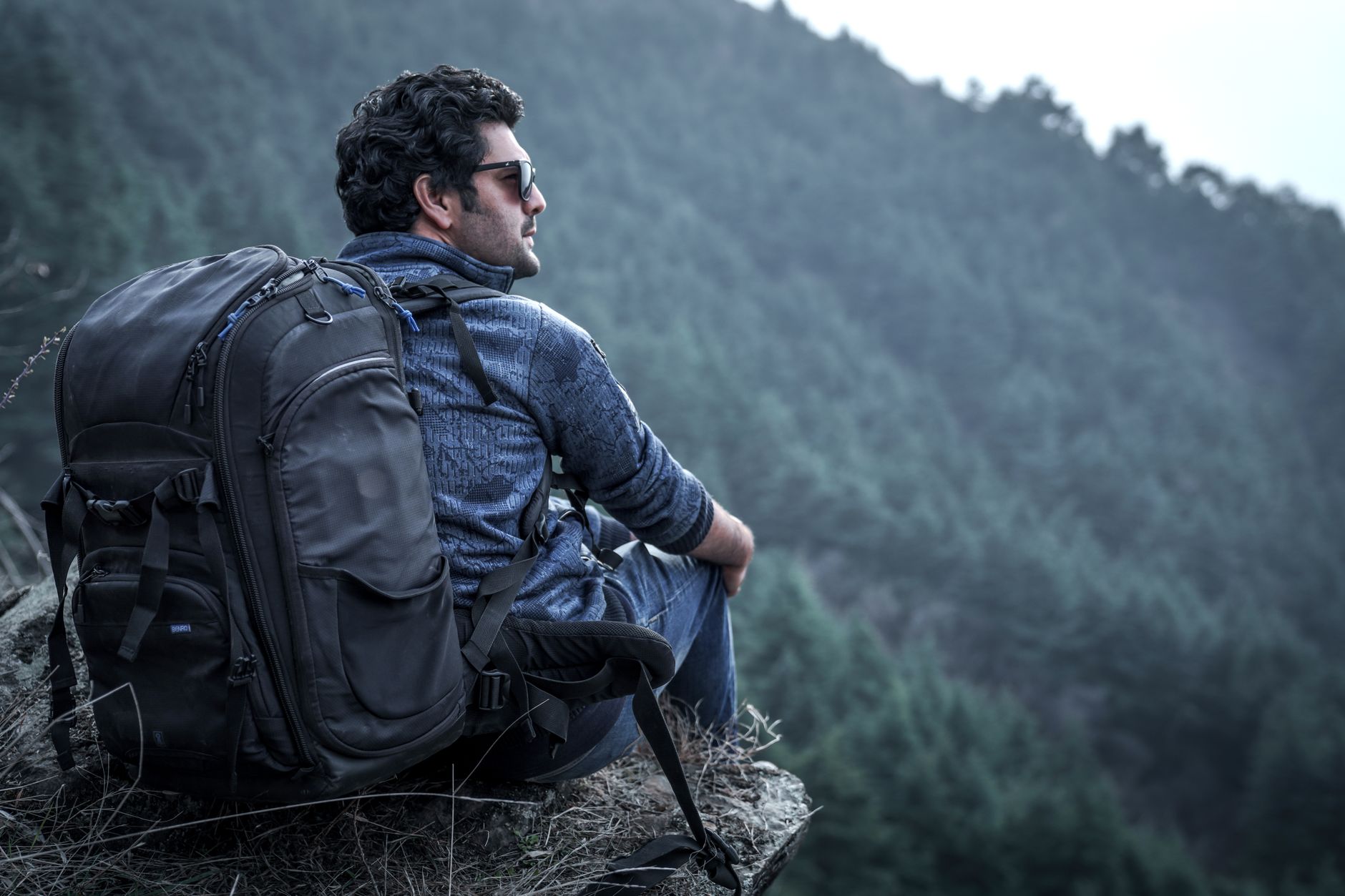
| Backpack (15-25L for day hikes) | ✅ Essential | Properly fitted with hip belt for loads over 15 lbs |
| Toilet paper + trowel + ziplock | ✅ Essential | Leave No Trace — pack out what you pack in |
| Hand sanitizer | ✅ Essential | Post-bathroom, pre-food — prevent trail illness |
| Cash + ID | ✅ Essential | Trailhead parking fees, emergencies, identification |
| Trash bag (pack it out) | ✅ Essential | Leave No Trace — carry all trash out |
| Camera | Optional | Phone works; dedicated camera for serious photographers |
| Sit pad (foam square) | Optional | Luxury item that weighs 2 oz — wet rock lunch spots become comfortable |
| Notebook + pen | Optional | Trail journaling, noting wildlife, recording conditions |
The Overnight Addition Checklist
Everything above, PLUS:
Sleep System
| Item | Overnight | Notes |
|---|---|---|
| Tent or shelter | ✅ Essential | Freestanding for versatility; tarp for ultralight |
| Sleeping bag (appropriate temp rating) | ✅ Essential | Rate 10-15°F below expected low for comfort margin |
| Sleeping pad | ✅ Essential | Insulation from ground (R-value matters more than comfort) |
| Pillow (inflatable or stuff sack with clothes) | ⭐ Recommended | Small luxury that dramatically improves sleep quality |
Cooking
| Item | Overnight | Notes |
|---|---|---|
| Stove + fuel | ✅ Essential | Canister stove for beginners; alcohol stove for ultralight |
| Pot/cup (single wall for heating) | ✅ Essential | 750ml covers one person; 1L for two |
| Spork or utensils | ✅ Essential | Long-handled spork reaches dehydrated meal bags |
| Lighter + matches (backup) | ✅ Essential | Redundant fire starting for cooking + emergency |
| Food (dehydrated meals + snacks) | ✅ Essential | ~2,500-4,000 calories/day for active backpacking |
| Bear canister or hang bag | ✅ Where required | Check regulations — many areas mandate bear canisters |
| Water filter | ✅ Essential | Graduated from “recommended” to “essential” for overnight |
Additional Clothing (Overnight)
| Item | Overnight | Notes |
|---|---|---|
| Sleep clothes (dry base layer set) | ✅ Essential | Never sleep in hiking clothes — moisture + cold = misery |
| Camp shoes or sandals | ⭐ Recommended | Rest your feet; let boots dry overnight |
| Extra insulation (puffy jacket) | ✅ Essential | Evenings and mornings at camp are cold |
| Rain pants | ⭐ Recommended | Full waterproof system for extended exposure |
Camp Essentials
| Item | Overnight | Notes |
|---|---|---|
| Headlamp (with extra batteries) | ✅ Essential | You WILL be moving around camp in the dark |
| Trowel (for cat holes) | ✅ Essential | 6-8 inches deep, 200 ft from water — Leave No Trace |
| Repair kit (tape, patches, spare buckle) | ⭐ Recommended | For extended trips where gear failure matters |
| Power bank | ⭐ Recommended | Keep phone alive for navigation + emergency |
| Earbuds | Optional | Podcasts in the tent; white noise for light sleepers |
Season-Specific Additions
Spring (March – May)
| Item | Why |
|---|---|
| Gaiters | Keep mud, snow, and debris out of boots |
| Traction devices (microspikes) | Lingering snow and ice on shaded north-facing trails |
| Bug spray (DEET or Picaridin) | Ticks and mosquitoes emerge as temps rise |
| Extra waterproof layers | Spring storms are unpredictable and cold |
| Tick key or fine tweezers | Tick season peaks March-June in many areas |
Summer (June – August)
| Item | Why |
|---|---|
| Extra water capacity (3-4L) | Heat and altitude demand significantly more hydration |
| Sun shirt (UPF-rated) | Full-coverage sun protection without sunscreen reapplication |
| Cooling towel | Soak and drape for evaporative cooling on hot climbs |
| Wide-brim hat | More coverage than a ball cap on exposed terrain |
| Electrolyte packets | Prevent hyponatremia (dangerously low sodium from sweating) |
| Lightweight rain shell | Summer thunderstorms arrive fast in mountains |
Fall (September – November)
| Item | Why |
|---|---|
| Warmer insulation layer | Temperatures drop significantly, especially at elevation |
| Headlamp (fresh batteries) | Shorter days mean more chance of hiking in the dark |
| Bright-colored outer layer | Hunting season visibility (check local regulations) |
| Hand warmers | Cheap, lightweight insurance against cold summits |
| Traction devices | Early-season ice on north-facing trails, especially above 6,000 ft |
Winter (December – February)
| Item | Why |
|---|---|
| Insulated jacket (puffy + shell) | Layering for cold; wind chill can be dangerous |
| Traction devices (microspikes or crampons) | Ice is everywhere — falls are the #1 winter trail injury |
| Snowshoes | If snow depth exceeds 6 inches, postholing without snowshoes is miserable |
| Insulated water bottle or bladder insulation | Water lines and bottles freeze below 32°F |
| Extra insulation (all layers) | If you stop moving, you get cold FAST in winter |
| Emergency shelter (bivy or tarp) | Extended winter exposure without shelter is life-threatening |
| Chemical hand/toe warmers | Backup warmth for extremities |
| Balaclava or face protection | Wind chill on exposed ridges can cause frostbite in minutes |
| Goggles | Blowing snow reduces visibility and hurts eyes |
Packing by Trip Type
Quick Reference: What to Bring When
| Item | 1-2 hr Walk | Half-Day Hike | Full-Day Hike | Overnight | Multi-Day |
|---|---|---|---|---|---|
| Water (liters) | 0.5-1 | 1-2 | 2-3 | 3-4/day | 3-4/day + filter |
| Food | Snack | Snacks | Snacks + lunch | Full meals | Full meals + extra |
| Navigation | Phone | Phone + map | Phone + map + compass | Full nav kit | Full nav kit |
| Rain shell | Optional | ✅ | ✅ | ✅ | ✅ |
| Headlamp | ❌ | ⭐ | ✅ | ✅ | ✅ |
| First aid | Basic | ✅ | ✅ | ✅ | ✅ (expanded) |
| Extra layers | ❌ | ✅ | ✅ | ✅ (multiple) | ✅ (multiple) |
| Sun protection | ✅ | ✅ | ✅ | ✅ | ✅ |
| Emergency shelter | ❌ | ⭐ | ✅ | Tent | Tent |
| Trekking poles | Optional | ⭐ | ✅ | ✅ | ✅ |
| Stove/cook kit | ❌ | ❌ | Optional | ✅ | ✅ |
| Sleep system | ❌ | ❌ | ❌ | ✅ | ✅ |
Weight Management Tips
Carrying too much is almost as bad as carrying too little. Here’s how to keep your pack manageable:
Day Hike Target: 10-15 lbs (4.5-7 kg)
- The water is most of your weight — 1 liter = 2.2 lbs. Carry what you need, not more.
- Wear your heaviest items — hiking boots and rain jacket on your body, not in your pack
- Multi-use items save weight — buff (sun/wind/dust), duct tape on trekking pole, phone as camera/GPS/entertainment
- Test your kit weight — weigh your loaded pack before departure. Surprise yourself.
Overnight Target: 25-35 lbs (11-16 kg) base weight
- Big Three dominate — pack, tent, sleep system account for 50-60% of weight. Upgrading these gives the biggest savings.
- Food planning is weight planning — dehydrated meals save significant weight over canned/wet food
- Don’t duplicate — one knife, one lighter, one pair of camp shoes. Redundancy adds up.
- Leave your fears at home — you don’t need 4 layers “just in case.” Check the weather and pack accordingly.
The Pre-Hike Checklist (5-Minute System)
Before every hike, I run through this mental checklist at the car before walking to the trailhead. It’s saved me from turning around more times than I can count:
- ✅ Water filled? (Full bottles/bladder)
- ✅ Phone charged + offline maps downloaded?
- ✅ Headlamp packed with fresh batteries?
- ✅ Weather checked in last 2 hours?
- ✅ Someone knows where I am and when I expect to return?
- ✅ Food for the duration + emergency extra?
- ✅ Rain layer packed? (even if forecast is clear)
- ✅ First aid kit in pack?
- ✅ Sun protection applied + packed for reapplication?
- ✅ Trail info confirmed? (recent conditions, closures, permit requirements)
A Quick Reflection
The worst hiking experience of my life wasn’t a dangerous trail or extreme weather — it was a casual 5-mile afternoon hike in June where I brought nothing except a half-empty water bottle because “it’s just a short walk.”
What happened: I missed a turn, added 3 miles. The extra time meant I was still hiking at sunset. My phone died at 12% because I’d been using GPS without a power bank. I had no headlamp. The trail back through dense forest was so dark I literally couldn’t see my feet. I walked the last mile by the glow of my watch face, shuffling like a zombie, tripping on roots I couldn’t see, genuinely nervous in a way that felt embarrassing for such a benign trail.
Total cost of the gear that would have prevented all of that: about $50. One headlamp. One power bank. One offline map download before leaving cell service. That experience birthed this checklist, and I’ve never left the trailhead without running through it since.
The wilderness doesn’t care that you’re “just going for a short walk.” It presents the same challenges regardless of your intentions. Pack for what could happen, not just what you plan.
Frequently Asked Questions
What are the 10 essentials for hiking?
The Ten Essentials (originally compiled by The Mountaineers) are: 1) Navigation (map + compass), 2) Sun protection, 3) Insulation (extra layers), 4) Illumination (headlamp), 5) First aid, 6) Fire (lighter + tinder), 7) Repair tools (knife + tape), 8) Nutrition (extra food), 9) Hydration (extra water), 10) Emergency shelter. These should be in your pack on every hike regardless of length or difficulty.
How much water should I bring on a day hike?
The general rule is 0.5 liters (17 oz) per hour of hiking. Increase this in hot weather, at high altitude, or during strenuous climbs. A 4-hour moderate hike needs at minimum 2 liters. I always bring an extra 0.5-1 liter as a buffer. If hiking where water sources exist, carry a filter to refill and reduce what you need to start with.
Do I need trekking poles for day hikes?
Not always, but they help significantly on steep terrain (reducing knee impact by 25%+), loose surfaces, stream crossings, and when carrying a heavy pack. For flat, well-maintained trails under 5 miles, poles are optional. For anything steep, rocky, or over 8 miles, I always bring them. They also double as tent/tarp poles for overnight trips.
What’s the difference between a day hike and overnight packing list?
A day hike list covers the Ten Essentials plus food, water, and comfort items — typically 10-15 items in a 15-25L pack. An overnight list adds a sleep system (tent, bag, pad), cooking gear (stove, fuel, pot), additional food and water treatment, extra clothing, and camp essentials. The overnight list roughly triples your gear and doubles or triples your pack weight (25-40 lbs vs 10-15 lbs).
Want deeper gear how-tos? See REI’s free Expert Advice library, and always check official park sites for trail-specific rules.
Final Thoughts
The best hiking packing list is the one you actually use. Print this out, save it on your phone, or write your own version — whatever format means you’ll actually glance at it before leaving the trailhead.
The truth is, 90% of hiking “emergencies” are caused by three forgotten items: headlamp, water, and rain layer. Get those three right consistently, and you’ve eliminated the vast majority of preventable trail problems. Everything else on this list just makes your experience more comfortable and your safety margin wider.
Start simple. Carry the Ten Essentials on every hike. Add comfort items as you learn your personal needs. And remember: the goal isn’t to carry everything — it’s to carry the right things for the specific trail, weather, and duration you’re facing.
Now go hike something. You’ve got the list.
Gear Deep-Dives
Want specific product recommendations? We’ve tested the best options:
- Best Headlamps for Hiking — 6 models tested for trail use
- Best Hiking Backpacks for 2026 — day packs to multi-day haulers
- Best Trekking Poles (Tested & Ranked) — reduce knee strain by 25%+
- Best Rain Jackets for Hiking — your most important layer
- Best Water Shoes for Hiking — for stream crossings and wet trails
- Best Budget Hiking Gear Under $50 — quality on a budget
✈️ Planning your trip?
Compare cheap flights, hotels and car rentals for your adventure.
Find Cheap Flights →Compare Hotels →🌍 Plan & Book Your Trip
Compare the best deals for this destination — flights, hotels, tours and more:
Affiliate links — we may earn a commission at no extra cost to you.