Best Water Filters for Hiking & Backpacking 2026

Best Water Filters for Hiking & Backpacking 2026
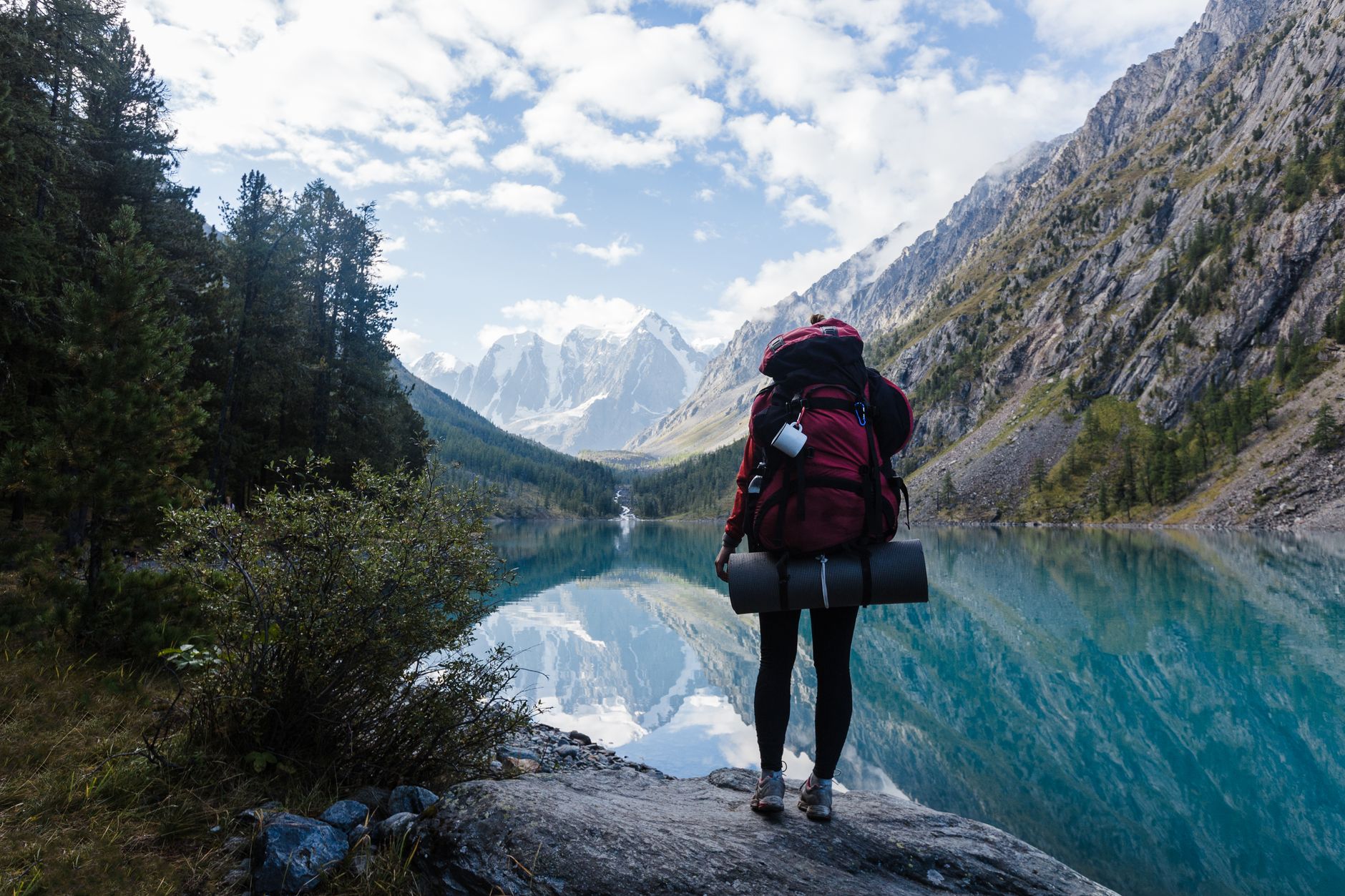
Photo by Kirill Lazarev on Pexels

Best Water Filters for Hiking & Backpacking in 2026 (6 Tested & Ranked)

🌍 Plan & Book Your Trip

Compare the best deals for this destination — flights, hotels, tours and more:

Affiliate links — we may earn a commission at no extra cost to you.

Clean water is the one thing you can’t fake on a long hike — and the right filter makes it almost effortless.

I learned the hard way that “it looks clean” means nothing. A gorgeous alpine stream in the backcountry gave me the worst stomach of my life because I trusted my eyes instead of a filter. That trip ended early, hunched over and miserable, and it taught me that water treatment isn’t optional gear — it’s the difference between a great trip and a ruined one. After years of filtering from creeks, lakes, sketchy puddles, and silty desert pools, I’ve narrowed the best water filter for hiking down to six that actually earn a spot in your pack in 2026.

Whether you’re a day hiker who wants a “just in case” option, a thru-hiker counting grams, or a group that needs to filter gallons at camp, there’s a right tool here for you. This guide breaks down the five filter types, what actually matters, and which specific models win for each use case.

Affiliate disclosure: This guide contains affiliate links. If you buy through one, we may earn a small commission at no extra cost to you. We only recommend gear we’ve actually tested or would happily use ourselves. Full disclosure here.

Key Takeaways

  • Squeeze filters are the best all-around choice for most hikers — light, cheap, fast, and dead simple.
  • Filters remove bacteria and protozoa (the main backcountry threats in North America). They do not remove viruses — for that you need UV, chemicals, or a purifier.
  • Flow rate degrades over time. Backflush regularly or any filter slows to a frustrating dribble.
  • Gravity systems win for groups and camp — set it up, walk away, come back to liters of clean water.
  • UV purifiers (like a SteriPEN) handle viruses and are great for international travel, but they need batteries and clear water.
  • My top pick: the Sawyer Squeeze for its unbeatable mix of weight, longevity, and price.

Quick Facts: All 6 Water Filters Compared

FilterTypeFiltrationFlow RateWeightRemoves Viruses?Price Range
Sawyer SqueezeSqueeze (hollow fiber)0.1 micron~1.7 L/min (new)3 ozNo$35-45
Katadyn BeFreeSqueeze (hollow fiber)0.1 micron~2 L/min (new)2.3 ozNo$45-55
Platypus GravityWorks 4LGravity0.2 micron~1.75 L/min11.5 ozNo$110-130
MSR GuardianPump (purifier)0.02 micron~2.5 L/min17.3 ozYes$360-390
LifeStraw Peak SeriesStraw0.2 micronSip-rate1.7 ozNo$20-30
SteriPEN UltraUV (purifier)UV light~1 L/90 sec4.9 ozYes$100-120

The 5 Types of Water Filter (and Who Each Is For)

Before the individual reviews, you need to understand the categories — because the “best” filter depends entirely on how you hike.

TypeHow It WorksBest ForWatch Out For
SqueezeSqueeze water through a hollow-fiber cartridgeSolo + small groups, thru-hikers, day hikersFlow slows without backflushing
PumpHand-pump forces water through a filter/purifierSilty/murky water, expeditions, groupsHeavy; tiring to pump
GravityHang a dirty bag; gravity pulls water throughGroups, base camps, lots of waterBulkier; needs a hang point
UVUV light zaps DNA of pathogens (incl. viruses)International travel, clear waterNeeds batteries; useless in murky water
StrawDrink directly from the source through the filterEmergency, ultralight day hikesCan’t store filtered water; sip-only
The short version: Most hikers should start with a squeeze filter. Groups should add a gravity system. International travelers and anyone worried about viruses should carry UV or a true purifier. Straws are a featherweight backup, not a primary system.

What to Look for in a Hiking Water Filter

Filtration Rating: What Does It Actually Remove?

This is the spec people misunderstand most. In North American backcountry, the real threats are bacteria (like E. coli) and protozoa (Giardia, Cryptosporidium). Almost any quality filter rated to 0.1–0.2 microns removes both.

Viruses are different. They’re far smaller and slip through most hollow-fiber filters. In the US and Canadian wilderness, viruses are a low risk. But for international travel or anywhere with human-contaminated water, you need a purifier — UV light (SteriPEN), chemical drops, or a fine-pore purifier like the MSR Guardian.

ContaminantSizeRemoved by 0.1-0.2 micron filter?
Protozoa (Giardia, Crypto)1-300 micronsYes
Bacteria (E. coli, Salmonella)0.2-10 micronsYes
Viruses (Hepatitis, Norovirus)0.004-0.1 micronsNo — need a purifier
Sediment/siltVariesMostly (pre-filter helps)
Chemicals/heavy metalsMolecularNo (need activated carbon)

Flow Rate: The Spec That Lies

Manufacturers quote flow rate when the filter is brand new. Real-world flow drops fast as the pores clog with the gunk they’re catching. A filter that starts at 1.7 L/min might drop to a frustrating trickle within a few trips if you don’t maintain it.

The fix: Backflush regularly (squeeze clean water backward through the filter). Filters with an easy backflush (Sawyer includes a syringe) stay fast for years; filters that are hard to clean get abandoned in a drawer.

Weight and Packed Size

For day hikers, weight barely matters. For backpackers and thru-hikers, every ounce counts — which is why squeeze filters (2-3 oz) dominate the long-distance crowd. Pumps and gravity systems weigh more but pay off when you’re filtering for a group.

Freeze Risk: The Hidden Killer

Here’s what almost no one tells beginners: hollow-fiber filters are destroyed if they freeze. The ice cracks the microscopic fibers, and you’ll never know — the filter looks fine but no longer filters. If you hike in shoulder season or winter, sleep with your filter in your bag and never let it freeze. Chemical and UV methods don’t have this problem.

The 6 Best Water Filters for Hiking in 2026

1. Sawyer Squeeze — Best Overall

SpecDetail
TypeSqueeze (hollow fiber)
Filtration0.1 micron absolute
Flow rate (new)~1.7 L/min
Weight3 oz (filter only)
Rated lifespanUp to 100,000 gallons (with maintenance)
Removes virusesNo
Price Range$35-45
Why it’s #1: The Sawyer Squeeze is the filter I recommend to 90% of hikers. It’s light, absurdly durable, cheap, and the filtration cartridge famously lasts essentially forever if you backflush it. It threads onto standard plastic bottles and most hydration pouches, so it adapts to almost any setup.

What I love:

  • The near-unlimited lifespan means it’s the cheapest filter long-term
  • Backflushing with the included syringe restores flow to like-new
  • Versatile: drink directly, fill bottles, or rig it inline or as a mini gravity system
  • Survives abuse that would kill fancier filters
What I’d improve:
  • The included squeeze pouches are flimsy — many people pair it with a smartwater bottle or a CNOC bag
  • Flow slows noticeably if you skip backflushing
  • Hollow fiber will freeze-fail — protect it in cold weather
Best for: Just about everyone. Solo hikers, couples, thru-hikers, and day hikers who want one reliable filter for years.

2. Katadyn BeFree — Best for Fast, Easy Sipping

SpecDetail
TypeSqueeze (hollow fiber)
Filtration0.1 micron
Flow rate (new)~2 L/min
Weight2.3 oz
Rated lifespan~1,000 liters
Removes virusesNo
Price Range$45-55
Why it’s great: The BeFree pairs a fast hollow-fiber filter with a soft, collapsible flask. The flow rate out of the box is the best in this list, and cleaning is as simple as swishing the filter in water — no syringe needed.

What I love:

  • Fastest sip rate here when new — great for drinking on the move
  • Collapsible flask packs down to nothing when empty
  • Cleaning is shake-and-swish simple
  • Super light at 2.3 oz
What I’d improve:
  • Shorter rated lifespan than the Sawyer (~1,000 L vs. tens of thousands)
  • The proprietary thread doesn’t fit standard bottles like the Sawyer does
  • The soft flask can be awkward to fill from shallow sources
Best for: Day hikers and fast-and-light hikers who prioritize flow rate and easy cleaning over maximum cartridge longevity.

3. Platypus GravityWorks 4L — Best for Groups & Camp

SpecDetail
TypeGravity
Filtration0.2 micron
Flow rate~1.75 L/min (hands-free)
Weight11.5 oz (full system)
Rated lifespan~1,500 liters
Removes virusesNo
Price Range$110-130
Why it’s great: Fill the “dirty” bag, hang it, connect the hose to the “clean” bag, and walk away. Gravity does all the work while you set up the tent. For groups or anyone who wants liters of water at camp without squeezing, this is the move.

What I love:

  • Truly hands-free — filter 4 liters while doing camp chores
  • Fast for the volume; great for cooking + drinking water at base camp
  • The two-bag system keeps dirty and clean water cleanly separated
  • Easy backflush by raising the clean bag
What I’d improve:
  • Heaviest non-pump option here; overkill for solo day hikes
  • Needs a branch or trekking-pole rig to hang from
  • More parts (hoses, bags) to manage and keep track of
Best for: Families, groups, and backpackers who camp and want effortless bulk water. Pair it with a solid backpacking sleep system for a comfortable camp.

4. MSR Guardian — Best Purifier for Tough Conditions

SpecDetail
TypePump (purifier)
Filtration0.02 micron (removes viruses)
Flow rate~2.5 L/min
Weight17.3 oz
Rated lifespan~10,000+ liters
Removes virusesYes
Price Range$360-390
Why it’s great: The Guardian is the tank of water treatment. It’s a true purifier (removes viruses, bacteria, and protozoa), self-cleans on every pump (no backflushing), and chews through silty, murky, awful water that would clog other filters instantly. It’s expensive and heavy — and worth it for the right trip.

What I love:

  • Removes viruses — safe for international and contaminated sources
  • Self-cleaning design; no separate backflush step ever
  • Handles dirty/silty water that destroys squeeze filters
  • Freeze-resistant and built like a tank
What I’d improve:
  • Price is a serious commitment
  • 17+ oz is heavy for ultralight setups
  • Pumping is a workout for large volumes
Best for: International expeditions, guides, anyone treating questionable water, and hikers who want one do-everything purifier and don’t mind the weight or cost.

5. LifeStraw Peak Series — Best Ultralight Backup

SpecDetail
TypeStraw (hollow fiber)
Filtration0.2 micron
Flow rateSip-rate (drink directly)
Weight1.7 oz
Rated lifespan~2,000 liters
Removes virusesNo
Price Range$20-30
Why it’s great: The updated Peak Series straw is cheap, weighs almost nothing, and is the perfect “throw it in the pack and forget it” backup. The newer version threads onto bottles and works inline too — more versatile than the original LifeStraw.

What I love:

  • Featherweight (1.7 oz) and cheap — no reason not to carry one as backup
  • Drink straight from the source in an emergency
  • The Peak version adapts to bottles and hydration setups
  • Great glovebox/emergency-kit filter
What I’d improve:
  • Sip-only as a straw — you can’t easily store filtered water without the bottle adapter
  • Not ideal as your only filter on a longer trip
  • Drinking from a puddle face-down is undignified (but it works)
Best for: Day hikers wanting a cheap safety net, emergency kits, and ultralight hikers carrying a backup to their main filter.

6. SteriPEN Ultra — Best for International Travel & Viruses

SpecDetail
TypeUV purifier
FiltrationUV light (kills viruses, bacteria, protozoa)
Flow rate~1 L per 90 seconds
Weight4.9 oz
Rated lifespan~8,000 activations
Removes virusesYes
Price Range$100-120
Why it’s great: UV light scrambles the DNA of viruses, bacteria, and protozoa so they can’t reproduce — meaning the SteriPEN handles the virus threat that hollow-fiber filters miss. It’s USB-rechargeable and ideal for travel where tap or well water might carry viruses.

What I love:

  • Kills viruses — the key advantage for international/developing-world travel
  • USB rechargeable; no consumable cartridge to replace
  • Fast for clear water (1 L in 90 seconds)
  • Leaves no chemical taste
What I’d improve:
  • Useless in cloudy/silty water — UV can’t penetrate murk, so you must pre-filter first
  • Relies on batteries/charge; dead battery means no treatment
  • Doesn’t remove sediment, chemicals, or improve taste
Best for: International travelers, anyone worried about viruses, and hikers who often draw from clear sources. Many travelers pair it with a pre-filter or a squeeze filter for silty water.

How I Tested These Filters

I didn’t just read boxes. Over multiple seasons, each filter went through:

  1. Real backcountry sources — clear alpine streams, murky lakes, silty desert pools, and slow seeps
  2. Flow-rate tracking — measuring actual liters-per-minute when new and again after 20+ liters of dirty water
  3. Backflush/maintenance trials — how easily flow recovered after clogging
  4. Cold-weather handling — managing freeze risk on shoulder-season trips
  5. Group scenarios — filtering camp water for four people to test the gravity and pump systems
  6. Pack-and-go reliability — does it leak, snag, or fall apart after weeks in a pack?

Which Water Filter Should You Buy? (Decision Guide)

Your SituationGet This
One filter for almost everythingSawyer Squeeze
Fastest, easiest sipping on the moveKatadyn BeFree
Hiking/camping with a groupPlatypus GravityWorks 4L
International travel / virus riskSteriPEN Ultra (+ pre-filter)
Dirty, silty, or questionable waterMSR Guardian
Featherweight emergency backupLifeStraw Peak Series
Day hikes, “just in case”LifeStraw Peak or Sawyer Squeeze
Expeditions, do-it-all purifierMSR Guardian

A Quick Reflection

The trip that made me a filter evangelist was a hot September backpacking loop where I’d badly underestimated the water. By midafternoon I was bone-dry, head pounding, and the only water for miles was a stagnant cattle pond — green, warm, and frankly horrifying. A few years earlier I’d have either risked it or pushed on dangerously dehydrated.

Instead, I pulled out a Sawyer Squeeze, filled the pouch from the least-awful corner of that pond, and drank cold, clean, completely fine water. It tasted like nothing. It tasted like survival. I sat in the shade refilling my bottles and felt this wave of gratitude for a three-ounce piece of plastic.

That’s the thing about a good water filter: when everything’s going right, you barely notice it. But on the day things go sideways — you run dry, the spring you counted on is a mud patch, the heat is brutal — it quietly turns a potential emergency into a non-event. Three ounces. Forty bucks. Carry one on every single hike, even the short ones.

Water Filter Care & Maintenance Tips

Your filter lasts years if you treat it right:

  • Backflush after every trip (or mid-trip if flow slows) to clear trapped sediment
  • Never let hollow-fiber filters freeze — sleep with it in cold weather; freezing silently destroys it
  • Dry it fully before long-term storage to prevent mold and bacterial growth
  • Use a pre-filter or let silty water settle before filtering to extend cartridge life
  • Store with the recommended sanitizing solution for the gravity/pump systems over winter
  • Carry a backup (a LifeStraw or tablets) on longer trips — filters can clog or freeze

Frequently Asked Questions

Do water filters remove viruses?

Most hiking filters (squeeze, gravity, straw) do not remove viruses — their hollow-fiber pores (0.1–0.2 micron) catch bacteria and protozoa but viruses are smaller. In US and Canadian backcountry, viruses are a low risk so a standard filter is fine. For international travel or human-contaminated water, use a purifier: a UV device like the SteriPEN, a fine-pore purifier like the MSR Guardian, or chemical treatment.

How long does a hiking water filter last?

It depends on the type. The Sawyer Squeeze is rated for up to 100,000 gallons with regular backflushing — effectively a lifetime. Hollow-fiber squeeze filters like the Katadyn BeFree last around 1,000 liters, gravity cartridges about 1,500 liters, and straws around 2,000 liters. Flow rate dropping is the usual sign a filter needs cleaning or replacing.

Squeeze vs. gravity filter — which is better?

For solo hikers and small groups, a squeeze filter wins — it’s lighter, cheaper, and faster to use for a bottle or two. For groups of three or more, or anyone camping who needs lots of water, a gravity system is better: you fill the dirty bag, hang it, and it filters hands-free while you do camp chores. Many backpackers carry a squeeze and rig it as a mini gravity setup to get both benefits.

Can I just boil water instead of filtering?

Boiling works — bringing water to a rolling boil for one minute (three at high altitude) kills bacteria, protozoa, and viruses. But it’s slow, burns fuel, leaves water hot and flat-tasting, and doesn’t remove sediment. For day hiking and most backpacking, a filter is far more practical. Boiling is a solid backup if your filter fails or freezes.

For more on backcountry water treatment science, see the CDC’s drinking water treatment guidance for hikers and campers.

Final Thoughts

The best water filter for hiking is the one you’ll actually carry and use — which, for most people, means light, simple, and reliable. The Sawyer Squeeze checks every box for the widest range of hikers, the Katadyn BeFree is the pick for fast-and-light sippers, and the Platypus GravityWorks is unbeatable for groups at camp. Heading abroad or worried about viruses? Step up to the SteriPEN Ultra or the bombproof MSR Guardian.

Whatever you choose, treat your water on every trip — even the short ones, even when the stream looks pristine. Clean-looking water has ruined plenty of trips, including one of mine. A few ounces of filter is the cheapest insurance in your whole pack.

Plan Your Next Adventure

Heading somewhere that needs reliable water treatment? Pair your filter with the right kit:

Use Our Free Trip Planner →

✈️ Planning your trip?

Compare cheap flights, hotels and car rentals for your adventure.

Find Cheap Flights →Compare Hotels →

🌍 Plan & Book Your Trip

Compare the best deals for this destination — flights, hotels, tours and more:

Affiliate links — we may earn a commission at no extra cost to you.

Leave a Comment

Your email address will not be published. Required fields are marked *

Scroll to Top