8 Best Beginner Backpacking Trips in the USA
🌍 Plan & Book Your Trip
Compare the best deals for this destination — flights, hotels, tours and more:
Affiliate links — we may earn a commission at no extra cost to you.
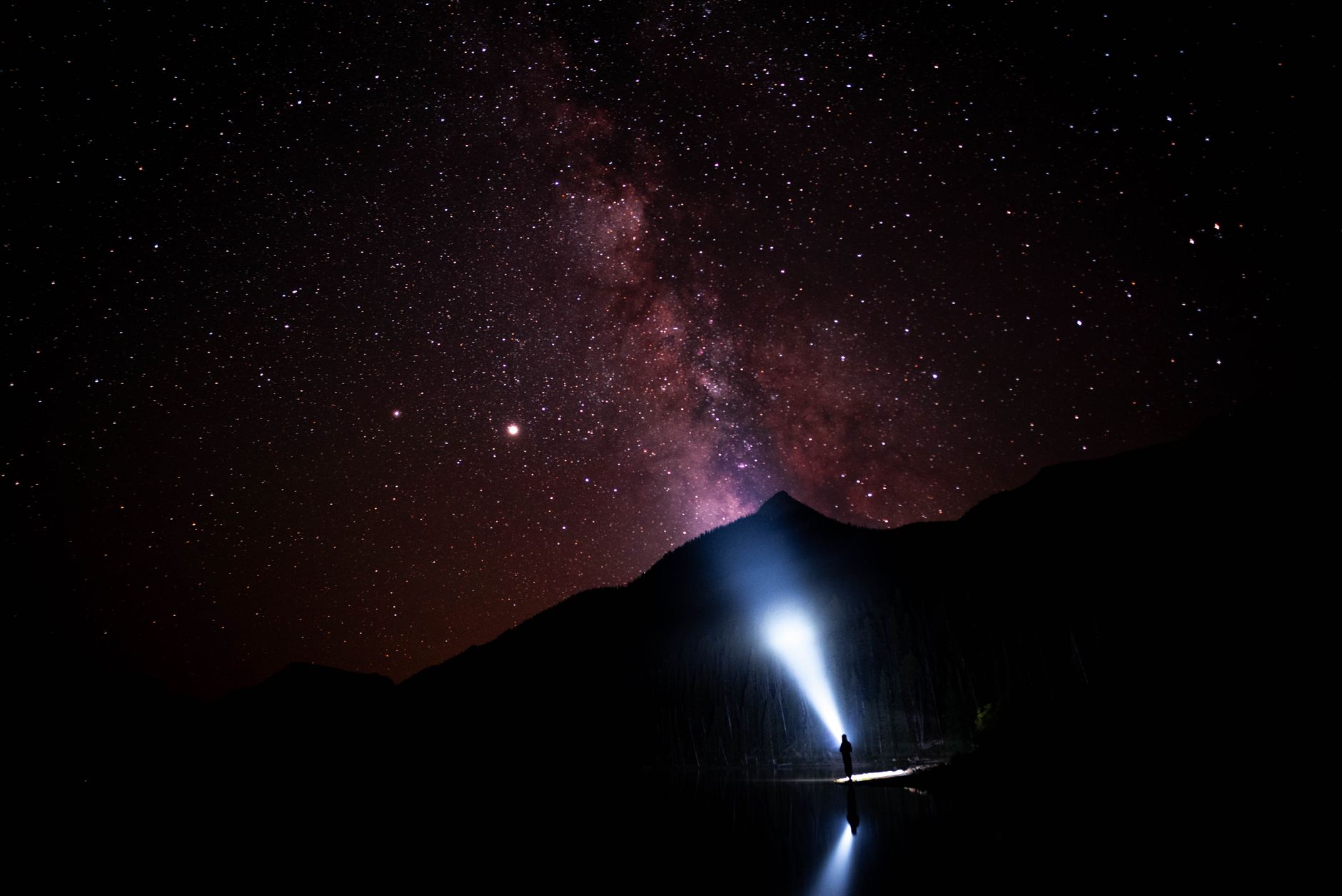
Your first night in the backcountry — short miles, a calm lake, and a sky full of stars. This is how the addiction starts.
Day hiking is wonderful, but there’s a different kind of magic in carrying everything you need on your back and falling asleep under the stars miles from the nearest road. If you’re ready to take that leap, the best beginner backpacking trips ease you in gently — short distances, manageable elevation, reliable water, and simple permits — so you can learn the ropes without suffering for it. Get the first one right and you’ll be hooked for life.
I’ve put together eight overnight trips across the country that are genuinely beginner-friendly: not too long, not too high, not too complicated to plan. For each, I’ll tell you the distance, the permit situation, and exactly why it works for first-timers. Pair these with solid gear and a little prep, and your first night out will be the start of something.
Key Takeaways
- A great first backpacking trip is short (under ~8 miles total), low on elevation gain, and has reliable water near camp.
- Simple or walk-up permits reduce planning stress — several trips here need little more than a self-registration or easy reservation.
- Start with one night, close to home if possible, so a bail-out is easy if weather or blisters strike.
- Practice with your gear before you go — set up your tent in the yard and do a loaded “shakedown” day hike.
- Build confidence step by step: nail an easy overnighter, then progress to longer, higher, or more remote trips.
Quick Facts
| 🥾 Ideal first trip | Under 8 miles round trip, 1 night |
|---|---|
| ⛰️ Elevation gain | Keep it gentle (under ~1,500 ft) |
| 💧 Water | Reliable source near camp |
| 🎫 Permits | Simple/self-issue or easy reservation |
| 🗓️ Best season | Summer & early fall (snow-free, mild) |
| 🎒 Big factor | Tested gear + a short bail-out option |
Start small on purpose: Your first backpacking trip is about learning the system — pitching camp, cooking, filtering water, staying warm — not racking up miles. Pick something short and forgiving. You can always go bigger next time.
What Makes a Trip Beginner-Friendly?
Before the list, here’s the rubric I use to judge whether a trip is right for first-timers:
| Factor | Beginner-Friendly Target | Why It Matters |
|---|---|---|
| Distance | 3–8 miles round trip | Short enough to enjoy, not endure |
| Elevation gain | Under ~1,500 ft | Big climbs with a full pack are brutal |
| Water | Reliable source near camp | No water = no trip; reduces what you carry |
| Permits | Self-issue or easy online | Less planning friction |
| Cell service / bail-out | Some signal or short exit | Safety net for new backpackers |
| Scenery payoff | High (lake, view, waterfall) | Motivation to get hooked |
The 8 Best Beginner Backpacking Trips
1. Coyote Gulch — Grand Staircase-Escalante, Utah
~Overnight, moderate distance | Permit: free self-issue (day) / verify overnight rules
A desert dream for first-timers willing to drive remote: a sandy canyon with arches, a flowing creek you’ll wade, and natural amphitheaters. The walking is mostly flat along the creek, and water is constant (filter it). The main challenge is the access route and the remoteness — go with someone experienced if you can, and check current permit rules.
Why it’s beginner-friendly: flat creek-side walking, reliable water, and surreal scenery that makes the effort feel tiny.
2. Lower Paintbrush / Bradley & Taggart Lakes Area — Grand Teton, Wyoming
~Short to moderate | Permit: backcountry permit via reservation/walk-up
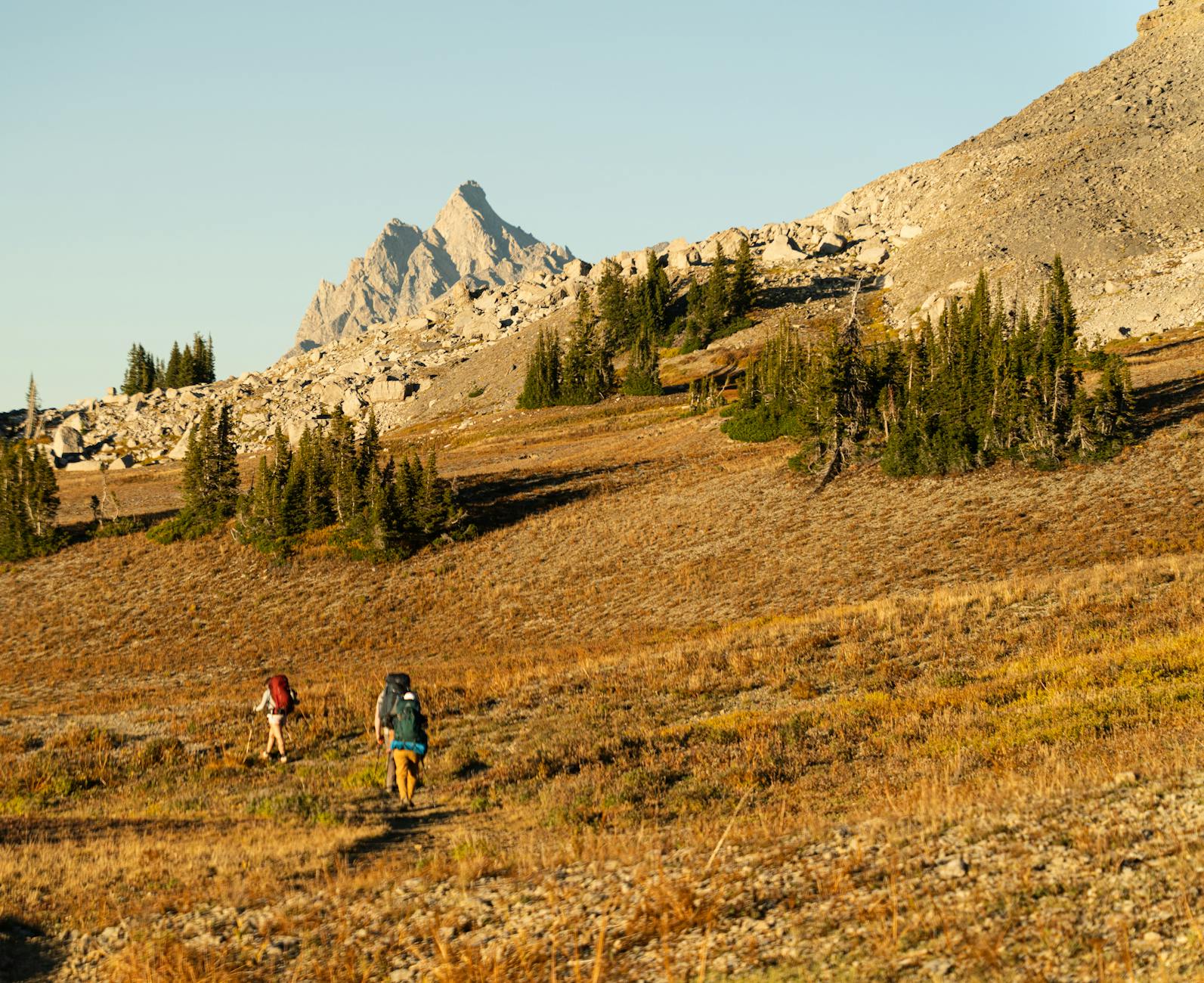
The Tetons offer jaw-dropping peaks with surprisingly approachable overnighters. Lake-basin camps put you beneath the Cathedral Group with short mileage. Bear canisters are required, and permits are quota-controlled — but the payoff (alpine lakes under granite spires) is enormous.
Why it’s beginner-friendly: short access to stunning alpine camps, with clear permit systems and well-marked trails.
3. Panther Creek to Backcountry Camp — Shenandoah, Virginia
~Short overnight | Permit: free self-issue backcountry permit
Shenandoah is one of the easiest places in the East to try backpacking. The park allows dispersed backcountry camping with a free self-issued permit, distances are flexible, and you’re never far from Skyline Drive if you need to bail. Forested, gentle, and close to the DC metro.
Why it’s beginner-friendly: free easy permits, gentle terrain, short bail-out to the road, and proximity to a major city.
4. Dolly Sods Wilderness — West Virginia
~Flexible loops | Permit: no permit required (follow regulations)
A high plateau that feels like Canada — open heath, bog, and wind-stunted spruce. Trails are relatively flat, loops are customizable, and no permit is needed. Navigation is the main skill to practice (trails can be faint and boggy), so bring a map and go in good weather.
Why it’s beginner-friendly: flat terrain, no permit hassle, and short customizable loops — just practice your navigation.
5. Sky Lakes / Lower Cascades Lakes — Oregon
~Moderate | Permit: free wilderness self-issue (verify)
The Cascades are full of forgiving lake-basin trips where you camp beside calm water with a volcano on the horizon. Many require only a free self-issue wilderness permit. Mosquitoes can be fierce early summer — go late summer for the sweet spot.
Why it’s beginner-friendly: gentle forested trails, abundant lakes for camp and water, and simple permits.
6. Half Dome… no — Little Yosemite Valley / Sunrise Lakes, Yosemite, California
~Moderate | Permit: wilderness permit via lottery/reservation
Yosemite’s high country has approachable first backpacker trips once you secure a permit. Camps near accessible lakes or in Little Yosemite Valley give you the grandeur of the park with manageable mileage. Bear canisters are required. The permit system is the main hurdle — plan ahead.
Why it’s beginner-friendly: iconic scenery on relatively short trails, with well-established camps and clear rules (once you have the permit).
7. Chicago Basin… start easier — Ice Lakes Basin Overnight, Colorado
~Moderate but high altitude | Permit: no permit, but altitude is the challenge
Colorado’s San Juans deliver staggering alpine beauty. An overnight into a lake basin gives a taste of high-country backpacking — but altitude is the real test here, so acclimate first, keep mileage short, and watch afternoon storms. Best for beginners who already hike at elevation.
Why it’s (conditionally) beginner-friendly: short distance and no permit, but treat altitude with respect — a good “level 2” trip.
8. Eagle Lake — Sierra / Tahoe Area, California
~Short overnight | Permit: wilderness permit (quota in some zones)
Short, scenic trips to granite-rimmed lakes near Tahoe are classic confidence-builders. Mileage is low, water is right at camp, and trailheads are easy to reach. Check whether your specific trailhead has a quota and whether a bear canister is required.
Why it’s beginner-friendly: very short mileage to a beautiful lake, easy trailhead access, and a quick exit if needed.
Compare the Trips at a Glance
| Trip | Region | Distance | Permit | Best Season |
|---|---|---|---|---|
| Coyote Gulch | Utah desert | Overnight | Free self-issue* | Spring/Fall |
| Grand Teton lakes | Wyoming | Short–Mod | Reserve/walk-up | Summer |
| Shenandoah backcountry | Virginia | Short | Free self-issue | Spring–Fall |
| Dolly Sods | West Virginia | Flexible | None | Summer–Fall |
| Cascades lakes | Oregon | Moderate | Free self-issue* | Late summer |
| Yosemite high country | California | Moderate | Lottery/reserve | Summer |
| Ice Lakes Basin | Colorado | Mod (high) | None | Summer |
| Tahoe/Sierra lake | California | Short | Quota varies | Summer |
Essential Gear for Your First Overnight
You don’t need to buy everything at once, but a few items are non-negotiable. Here’s the short list (and we have full guides linked at the bottom):
- Backpack (40–60L) — big enough for overnight gear, fitted to your torso
- Sleeping bag — a 20°F three-season bag is the versatile choice
- Sleeping pad — with a decent R-value; your warmth depends on it
- Tent or shelter — lightweight and easy to pitch
- Water filter — so you can drink from that creek or lake
- Stove + fuel + pot — for hot meals and morning coffee
- Headlamp — for camp tasks and pre-dawn starts
- Layers + rain shell — alpine and desert nights get cold fast
- First-aid + navigation — map, and a downloaded offline map
The cheapest upgrade: Borrow or rent gear for your first trip before buying. Many outdoor shops rent tents, bags, and packs — a smart way to learn what you actually like.
How to Prepare for Your First Trip
- Do a shakedown hike. Load your pack with everything and do a day hike. You’ll find out fast if your pack fits and what you over-packed.
- Practice at home. Pitch your tent in the yard. Cook a meal on your stove. Filter water from the tap. Fumbling at camp in the dark is no fun.
- Check the weather and water. Confirm your water source is flowing and the forecast is friendly. Bail on bad weather — there’s always another weekend.
- Tell someone your plan. Leave your route and return time with a friend.
- Keep the first one short. One night, close to home, with an easy exit. Build from there.
A Quick Reflection
My first backpacking trip was almost a disaster, and it’s still one of my favorite memories. I’d borrowed a too-big pack, packed about twice as much food as I needed, and chosen a lake “only” four miles in — which felt like forty with all that weight. I got to camp sweaty, sore, and quietly wondering why anyone did this on purpose.
Then the sun went down. The lake went mirror-still. I cooked a sad packet of noodles that tasted like the best meal of my life, and as the stars came out — more than I’d ever seen — the soreness just… didn’t matter anymore. I lay there listening to absolutely nothing, hours from the nearest road, feeling like I’d unlocked a secret level of the world.
I made every rookie mistake on that trip. Overpacked, under-planned, blistered. But because I’d kept it short and close to home, none of it mattered. That’s the whole point of a beginner trip: it gives you room to mess up and fall in love anyway.
Common Beginner Mistakes to Avoid
- Overpacking. The #1 first-timer error. If you’re unsure, leave it home. Your back will thank you.
- Going too far. Ambitious mileage with a full pack is how trips become miserable. Start short.
- Ignoring water. Plan your route around reliable water and always filter.
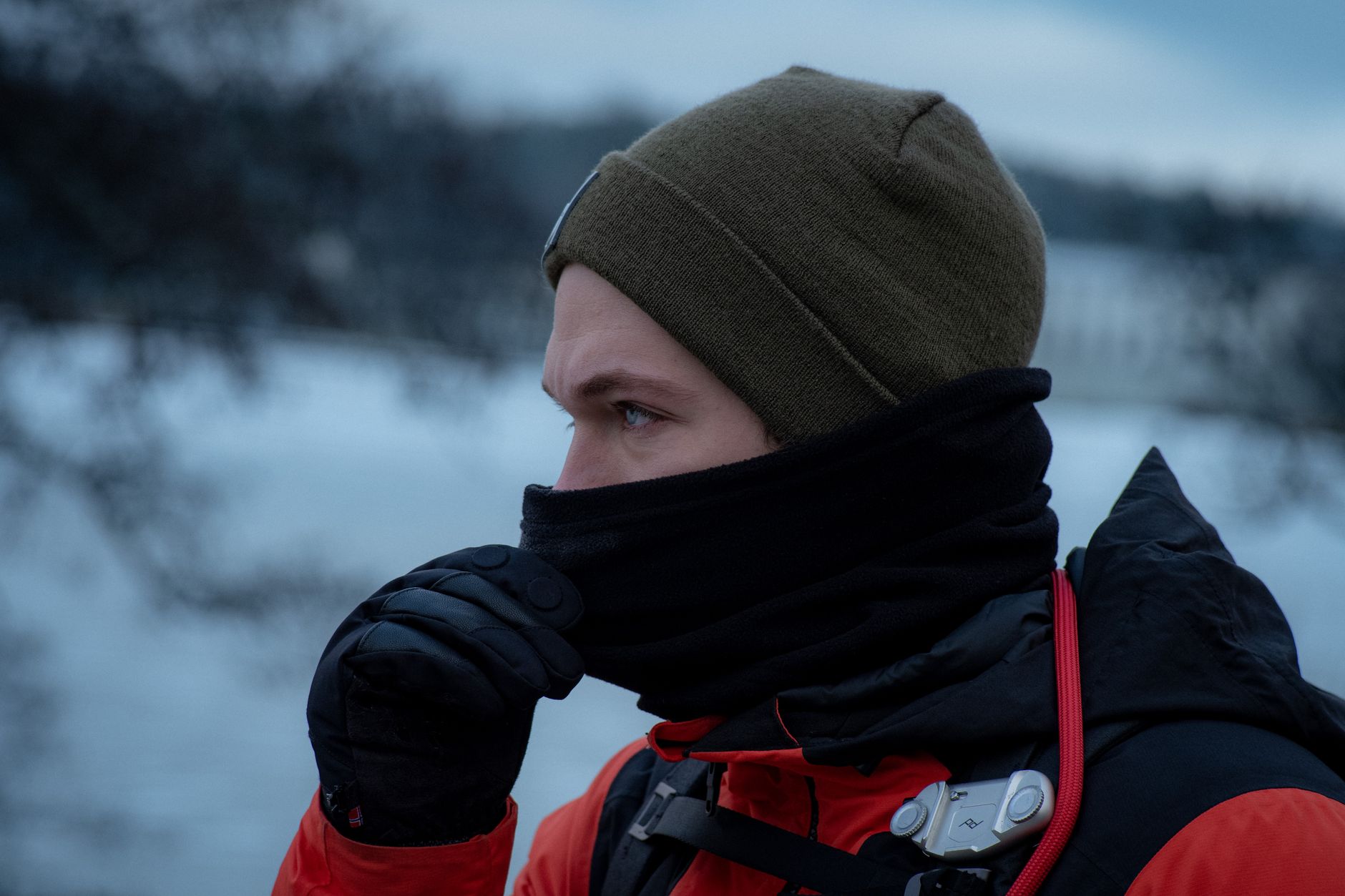
- Skipping the weather check. New backpackers should not learn hypothermia the hard way. Pick a friendly forecast.
- Untested gear. Don’t pitch your tent for the first time in the dark in the rain. Practice first.
- No bail-out plan. Choose a trip where you can turn around easily if things go sideways.
FAQ
How far should my first backpacking trip be? Keep it short — around 3 to 8 miles round trip for a single overnight, with modest elevation gain. The goal is to learn the system (camp setup, cooking, water filtering, staying warm), not to log big miles. You can ramp up distance once you’re comfortable.
Do I need permits for beginner backpacking trips? It depends on the area. Some places (like Shenandoah and many wilderness areas) use free self-issued permits, some require no permit at all, and popular parks like Yosemite and Grand Teton use quota-controlled reservations or lotteries. Always check the managing agency’s current rules before you go.
What gear do I absolutely need for my first overnight? The essentials are a fitted backpack, a three-season sleeping bag, an insulated sleeping pad, a shelter (tent), a water filter, a stove and pot, a headlamp, warm layers, a rain shell, and basic first-aid and navigation. Borrow or rent before buying to learn what you like.
Is backpacking safe for beginners going solo? It can be, but for your very first trips it’s safer and more fun to go with an experienced partner or a small group. If you do go solo, choose a short, popular, well-marked trail with some cell service, tell someone your exact plan, and keep your bail-out option easy.
Permit systems, quotas, and water reliability change year to year. Always confirm current conditions and regulations with the managing agency (NPS, US Forest Service, or recreation.gov) before your trip.
New to backpacking? Pair this with REI’s free Expert Advice and Leave No Trace’s seven principles.
Final Thoughts
The best beginner backpacking trips aren’t about proving anything — they’re about easing into one of the most rewarding things you can do outdoors. Pick something short, forgiving, and scenic; rent or borrow gear before you buy; practice at home; and choose a weekend with a friendly forecast. Nail that first overnighter and you’ll understand why so many of us keep going back for more. The backcountry has a way of getting under your skin — and it all starts with one easy night under the stars.
Gear up before you go: see our picks for the Best Sleeping Bags for Backpacking, Best Hiking Backpacks, and the Ultimate Hiking Packing List. New to trails entirely? Start with the Best Hikes for Non-Hikers. Plan your route with our free Trip Planner.
FAQ Schema (paste in a Custom HTML block at the end of the post)
“html “
✈️ Planning your trip?
Compare cheap flights, hotels and car rentals for your adventure.
Find Cheap Flights →Compare Hotels →🌍 Plan & Book Your Trip
Compare the best deals for this destination — flights, hotels, tours and more:
Affiliate links — we may earn a commission at no extra cost to you.