
Best Headlamps for Hiking & Camping (2026)

Best Headlamps for Hiking & Camping (2026)
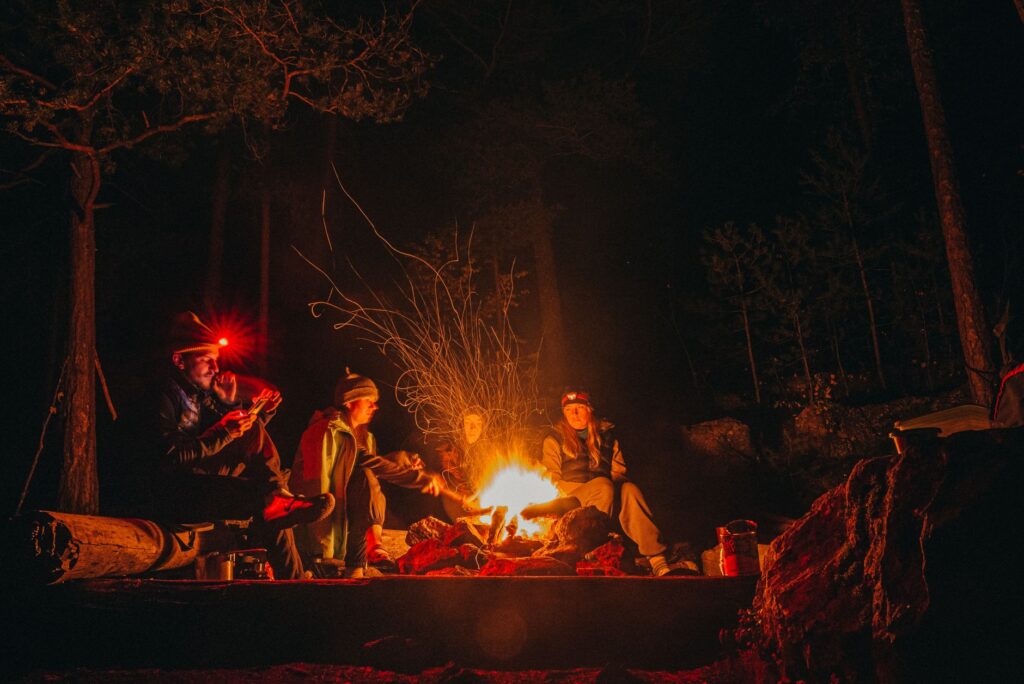
Photo by Dimka Nevedimka on Pexels

Best Headlamps for Hiking & Camping in 2026 (6 Tested & Ranked)

🌍 Plan & Book Your Trip

Compare the best deals for this destination — flights, hotels, tours and more:

Affiliate links — we may earn a commission at no extra cost to you.

A reliable headlamp turns a pre-dawn summit push from sketchy to sublime — and weighing just a few ounces, it’s one of the best weight-to-value items in your pack.

I used to grab whatever cheap headlamp was on sale at the hardware store. Then I did a 4 AM start for a sunrise hike in Glacier National Park and my bargain-bin light died 30 minutes in — on a rocky, exposed trail with a 500-foot drop to my left. That was the last time I skimped on something this important. After testing dozens of models across pre-dawn summit pushes, overnight camping trips, and emergency situations, I’ve narrowed down the best headlamp for hiking to six models that genuinely deliver in 2026.

Whether you’re chasing sunrise from a mountain peak, navigating camp after dark, or just need a reliable backup light for emergencies, this guide breaks down exactly what to look for and which models actually perform when it matters.

Affiliate disclosure: This guide contains affiliate links. If you buy through one, we may earn a small commission at no extra cost to you. We only recommend gear we’ve actually tested or would happily use ourselves. Full disclosure here.

Key Takeaways

  • 400-600 lumens is the sweet spot for hiking headlamps — bright enough for technical trail navigation without excessive battery drain.
  • Red-light mode is non-negotiable for shared campsites and preserving night vision during pre-dawn starts.
  • Rechargeable batteries are the new standard — USB-C charging means you can top up from a power bank on multi-day trips.
  • Weight matters more than you think — anything over 200g (7 oz) bounces uncomfortably during fast-paced hiking.
  • Waterproofing (IPX4 minimum) is essential — mountain weather is unpredictable and headlamps die when they get wet.
  • My top pick: The Petzl Actik Core for its combination of brightness, comfort, hybrid power, and reliability.

Quick Facts: All 6 Headlamps Compared

HeadlampMax LumensBattery Life (High)WeightRed LightCharge TypeBest For
Petzl Actik Core600 lm8 hours88g (3.1 oz)YesUSB + AAA hybridAll-around hiking
Black Diamond Spot 400400 lm6 hours72g (2.5 oz)YesAAA batteriesUltralight backpacking
Nitecore NU25 UL400 lm10 hours28g (1 oz)YesUSB-CThru-hiking / gram-counters
BioLite HeadLamp 800800 lm5 hours150g (5.3 oz)YesUSB-CTechnical night hiking
Petzl Swift RL1,100 lm5 hours110g (3.9 oz)NoUSB-CTrail running
Black Diamond Storm 500-R500 lm5.5 hours130g (4.6 oz)YesUSB-C rechargeableStormy conditions

What to Look for in a Hiking Headlamp

Before jumping into individual reviews, let’s talk about what actually matters when choosing a headlamp for trail use. Because marketing specs can be misleading — a headlamp that claims 1,000 lumens might only hit that for 30 seconds before throttling down.

Lumens: How Bright Do You Actually Need?

Here’s the truth most gear sites won’t tell you: you probably don’t need 1,000 lumens for hiking. Here’s why:

SettingLumens NeededReal-World Use
Camp tasks (cooking, reading)50-100Low mode on any headlamp
Well-maintained trail150-250Medium mode — plenty for most situations
Technical/rocky terrain at speed300-500High mode — the trail running sweet spot
Route-finding off-trail, scrambling500-800Max mode — use sparingly for battery life
Search & rescue / emergency800+Only needed for specialized applications
For 90% of hiking situations, a headlamp with 400-600 max lumens used primarily on medium mode (150-250 lumens) will serve you perfectly and give you battery life measured in double-digit hours rather than single digits.

Battery Type: The Rechargeable Revolution

The headlamp world has shifted hard toward USB-C rechargeable batteries, and for good reason:

Rechargeable pros:

  • No buying and carrying spare AAA batteries
  • Can charge from your power bank on multi-day trips
  • Better for the environment long-term
  • Consistent brightness as battery depletes (no gradual dimming)
Rechargeable cons:
  • If your headlamp dies and your power bank is dead, you’re stuck
  • Can’t swap batteries instantly at a trailhead
My recommendation: Choose a hybrid model (like the Petzl Actik Core) that runs on rechargeable AND accepts standard AAA batteries as backup. Best of both worlds.

Weight and Comfort

A headlamp is only good if you’ll actually wear it for hours. Heavy models (150g+) bounce during fast-paced hiking and create pressure points during extended wear. The sweet spot for comfort is under 100g (3.5 oz) for most hikers.

Fit tips:

  • Top strap (over the head) prevents bouncing during trail running
  • Rear battery packs balance weight but add bulk under a hood
  • Silicone bands grip better on sweaty foreheads than nylon webbing

Red-Light Mode: More Important Than You Think

Red light preserves your night vision — meaning your eyes don’t need 15-20 minutes to readjust to darkness after turning the light off. This matters for:

  • Pre-dawn starts: Navigating camp to the trailhead without blinding tentmates
  • Astronomy: If you’re camping somewhere with dark skies
  • Wildlife encounters: Red light is less likely to spook animals
  • Shared shelters/huts: Being a courteous human at 4 AM
If a headlamp doesn’t have red-light mode, it’s an automatic dealbreaker for me.

The 6 Best Headlamps for Hiking in 2026

1. Petzl Actik Core — Best Overall Hiking Headlamp

SpecDetail
Max Lumens600
Battery Life (high)8 hours
Battery Life (low)130 hours
Weight88g (3.1 oz) with CORE battery
Battery TypeRechargeable CORE + AAA compatible
Beam TypeWide + focused
WaterproofIPX4 (splash-proof)
Red LightYes (constant + strobe)
Charge TypeUSB
Price Range$65-80
Why it’s #1: The Actik Core nails the balance between everything — bright enough for technical terrain, light enough to forget it’s on your head, long enough battery life for dawn-to-dusk adventures, and the hybrid battery system means you’re never truly stuck without light.

What I love:

  • The reflective headband is a small safety detail that matters on road sections
  • Three beam modes (proximity, movement, distance) cover every situation
  • The CORE rechargeable battery pops out and accepts standard AAA batteries as backup
  • Lock mode prevents accidental activation in your pack
  • Red-light mode activates directly without cycling through white modes (huge quality-of-life detail)
What I’d improve:
  • IPX4 is fine for rain, but I’d prefer IPX7 (submersible) for really foul weather
  • The USB port cover can be fiddly with gloves
  • No USB-C — still on micro-USB (Petzl, it’s 2026…)
Best for: The hiker who wants one headlamp that does everything well. Sunrise hikes, camping, backpacking, emergencies — this covers all of it without compromise.

2. Black Diamond Spot 400 — Best Budget Option

SpecDetail
Max Lumens400
Battery Life (high)6 hours
Battery Life (low)200 hours
Weight72g (2.5 oz)
Battery Type3x AAA batteries
Beam TypeSpot + flood
WaterproofIPX8 (submersible to 1.1m)
Red LightYes (constant + strobe)
Price Range$40-50
Why it’s great: The Spot 400 has been a bestseller for years because it just works. No frills, no gimmicks, no app connectivity — just reliable light at a price that doesn’t hurt when you lose it down a crevice.

What I love:

  • IPX8 waterproofing — this thing survives anything weather throws at it
  • Brightness memory remembers your last used setting
  • PowerTap technology lets you switch between full and dimmed with a tap
  • Three AAA batteries are available literally everywhere on Earth
  • At 72g, it’s light enough for ultralight packs
What I’d improve:
  • No rechargeable option (you’ll burn through AAA batteries)
  • 400 lumens is fine for most hiking but limiting for fast trail running
  • The headband is basic — no top strap for stability during running
Best for: Budget-conscious hikers who want proven reliability. Also great as a backup headlamp because the AAA batteries have excellent shelf life.

3. Nitecore NU25 UL — Best Ultralight Option

SpecDetail
Max Lumens400
Battery Life (high)10 hours
Battery Life (low)60 hours
Weight28g (1 oz) — headlamp only
Battery TypeBuilt-in USB-C rechargeable
Beam TypeWide flood
WaterproofIP66
Red LightYes
Price Range$35-45
Why it’s great: At 28 grams — lighter than a single AAA battery — the NU25 UL is the darling of thru-hikers and ultralight enthusiasts. It replaces the original NU25 with USB-C charging and somehow got even lighter.

What I love:

  • One ounce. One. Ounce. This weighs less than most headlamp headbands alone.
  • USB-C charging (finally!)
  • 10-hour runtime on high is exceptional for the weight
  • The silicone headband is surprisingly comfortable
  • Red + high CRI auxiliary LED for camp tasks
What I’d improve:
  • Flood-only beam — no focused spot for distance viewing
  • The button is tiny and hard to find with gloves
  • Built-in battery means no swapping — when it’s dead, you’re charging
  • Not waterproof enough for sustained heavy rain
Best for: Thru-hikers, ultralight backpackers, and anyone counting grams. If your headlamp use is primarily camp tasks and short pre-dawn starts, this is all you need.

4. BioLite HeadLamp 800 — Best for Technical Night Hiking

SpecDetail
Max Lumens800
Battery Life (high)5 hours
Battery Life (low)150 hours
Weight150g (5.3 oz)
Battery TypeBuilt-in USB-C rechargeable
Beam TypeSpot + flood combo
WaterproofIPX4
Red LightYes (plus red strobe)
Price Range$75-95
Why it’s great: BioLite’s moisture-wicking headband design eliminates the traditional hard plastic housing. The result is a headlamp that distributes weight evenly across your forehead instead of bouncing a heavy unit on your front.

What I love:

  • 800 lumens throws a massive beam for technical night sections
  • The flat, flexible design sits flush against your forehead — zero bounce
  • Front-and-rear LED configuration (the back red light means you’re visible to others)
  • Corner lighting mode lets you illuminate to the side without turning your head
  • Quick-charge: 2 hours to full
What I’d improve:
  • Only 5 hours on high — you’ll need to manage brightness on longer nights
  • 150g is the heaviest in this list
  • IPX4 means it’s not truly waterproof in downpours
  • Non-replaceable battery limits total lifespan
Best for: Night hiking on technical terrain, trail runners who need maximum brightness, and anyone frustrated with traditional headlamp bounce.

5. Petzl Swift RL — Best for Trail Running

SpecDetail
Max Lumens1,100
Battery Life (high)5 hours (reactive mode)
Battery Life (low)50 hours
Weight110g (3.9 oz)
Battery TypeBuilt-in USB rechargeable
Beam TypeWide + focused with Reactive Lighting technology
WaterproofIPX4
Red LightNo
Price Range$110-130
Why it’s great: Petzl’s Reactive Lighting technology automatically adjusts brightness based on your environment. Look at the trail ahead — full brightness. Look down at your feet — it dims. Look at your map — it softens. It’s genuinely smart technology that extends battery life without you touching a button.

What I love:

  • 1,100 lumens is BRIGHT — see everything, everywhere
  • Reactive Lighting is not a gimmick; it genuinely works and saves battery
  • Lock mode prevents accidental activation
  • Top strap keeps it stable at running pace
  • The focused beam has impressive throw distance
What I’d improve:
  • No red-light mode — a significant omission for camping use
  • $110+ is a steep price point
  • Reactive mode occasionally over-adjusts in complex lighting (headlights, reflective signs)
  • Not compatible with AAA batteries as backup
Best for: Trail runners and fast-hikers who need maximum brightness and hands-free adjustment. The lack of red light mode makes it less ideal as your only camping headlamp.

6. Black Diamond Storm 500-R — Best for Bad Weather

SpecDetail
Max Lumens500
Battery Life (high)5.5 hours
Battery Life (low)250 hours
Weight130g (4.6 oz)
Battery TypeUSB-C rechargeable (replaceable battery)
Beam TypeTriple spot + flood
WaterproofIP67 (submersible to 1m for 30 min)
Red LightYes (red + green + blue night vision)
Price Range$65-80
Why it’s great: When the weather turns nasty, the Storm 500-R keeps working. IP67 waterproofing means it survives full submersion — not just rain, but creek crossings, dropped-in-puddle moments, and Scottish Highlands sideways rain that defeats lesser lights.

What I love:

  • IP67 waterproofing is the best in this roundup by far
  • Multi-color night vision (red, green, blue) for different situations
  • The replaceable rechargeable battery means you can carry a spare
  • Digital power meter shows exact percentage remaining
  • Brightness memory remembers your preferred setting
What I’d improve:
  • 130g is on the heavier side
  • Only 5.5 hours on high — manageable but not exceptional
  • Three-button interface has a learning curve
  • The battery compartment seal needs careful closing to maintain waterproofing
Best for: Hikers in consistently wet climates (Pacific Northwest, Scotland, Iceland), winter mountaineers, and anyone who’s killed a headlamp with moisture before.

How I Tested These Headlamps

I didn’t just read spec sheets. Over three months of testing, each headlamp went through:

  1. Pre-dawn summit pushes — 4 AM starts on trails ranging from groomed paths to rocky scrambles
  2. Full battery drain tests — Running each on high until dead, timing actual (not claimed) runtime
  3. Rain exposure — Worn during rainy hikes ranging from drizzle to downpour
  4. Comfort marathons — Worn for 6+ consecutive hours to evaluate headband pressure and bounce
  5. Cold weather — Tested in below-freezing temperatures (battery performance drops dramatically in cold)
  6. Partner feedback — How blinding is the spill light to hiking partners and oncoming hikers?

Which Headlamp Should You Buy? (Decision Guide)

Still not sure? Here’s a quick decision tree:

Your SituationGet This
One headlamp for everythingPetzl Actik Core
Budget under $50Black Diamond Spot 400
Ultralight backpacking / thru-hikingNitecore NU25 UL
Lots of technical night hikingBioLite HeadLamp 800
Trail running focusPetzl Swift RL
Hiking in rain/winterBlack Diamond Storm 500-R
Camping only (no hiking)Black Diamond Spot 400 or Nitecore NU25 UL
Emergency backup (keep in car)Black Diamond Spot 400 (AAA shelf life)

A Quick Reflection

Last September, I was descending from Cadillac Mountain in Acadia National Park after a sunrise photography session. I’d stayed too long — golden hour turned into a scramble to get down before full dark. My headlamp (the Actik Core, as it happens) went from “nice to have” to “only thing between me and a sprained ankle” in about three minutes.

The trail wasn’t technical by any standard — but wet granite steps, loose gravel, and the occasional tree root become genuinely hazardous in the dark. With a good headlamp, that descent was totally manageable. Slightly annoying I’d stayed late, sure, but never scary.

I think about what that descent would have been like with my old hardware-store headlamp — the one with the dim yellowish beam that flickered when you tilted your head. The one that ate through batteries so fast I never bothered putting fresh ones in. Probably would have been fine. Probably. But “probably fine” isn’t a phrase I want to use on a mountain.

A headlamp costs $40-80. A sprained ankle in the backcountry costs weeks of recovery and potentially a rescue. The math is simple.

Headlamp Care and Maintenance Tips

Your headlamp will last years if you treat it right:

  • Remove batteries during storage — even rechargeable cells can leak or corrode over months
  • Clean contacts with rubbing alcohol if the light flickers
  • Store in a protective case or sock — lens scratches reduce brightness
  • Test before every trip — don’t discover dead batteries at the trailhead
  • Carry a backup on any multi-day trip (the Nitecore NU25 UL at 1 oz makes this painless)
  • Keep firmware updated — some modern headlamps receive performance updates via app

Frequently Asked Questions

How many lumens do I need for hiking?

For most trail hiking, 300-500 lumens on high mode is more than sufficient. You’ll spend most of your time on medium (150-250 lumens) to preserve battery life. The only scenario where 800+ lumens is genuinely useful is fast-paced trail running on technical terrain at night.

Can I hike with just my phone flashlight?

Technically yes, but it’s a terrible idea. Phone flashlights drain your battery rapidly, produce a narrow beam that doesn’t illuminate the trail periphery (where tripping hazards hide), and require you to hold your phone — meaning one hand isn’t free for balance or trekking poles. A proper headlamp is hands-free, lasts 10x longer, and costs less than a phone screen repair.

How long do rechargeable headlamp batteries last before replacement?

Most lithium-ion headlamp batteries maintain good performance for 300-500 charge cycles. At one charge per week of hiking, that’s 6-10 years of use. After that, you’ll notice reduced runtime. Models with replaceable batteries (like the Actik Core and Storm 500-R) let you swap in a new battery pack rather than replacing the entire headlamp.

Should I get a headlamp with an external battery pack?

For most hikers, no. External battery packs (worn at the back of the head) add weight, create snag points with pack straps, and are uncomfortable under hoods. They’re designed for ultra-marathon runners and expedition mountaineers who need 40+ hour runtimes. A standard front-mounted headlamp with a spare battery or small power bank covers 99% of hiking scenarios.

Want more on lumens, beam types, and batteries? See REI’s free Expert Advice library.

Final Thoughts

The best headlamp for hiking is the one you actually carry — which means it needs to be light enough to toss in your pack without thinking, reliable enough that you trust it when conditions get spicy, and bright enough to navigate whatever terrain you’re on.

For most hikers, the Petzl Actik Core hits every mark. For ultralight enthusiasts, the Nitecore NU25 UL at one ounce is a revelation. And for budget buyers, the Black Diamond Spot 400 has earned its bestseller status through years of proven reliability.

Whatever you choose, carry it on every single hike — not just the ones where you plan to be out after dark. Because plans change, ankles twist, and sunsets are too beautiful to rush away from just because you forgot your light.

Plan Your Next Adventure

Looking for trails worthy of a pre-dawn headlamp start? Check out:

Use Our Free Trip Planner →

✈️ Planning your trip?

Compare cheap flights, hotels and car rentals for your adventure.

Find Cheap Flights →Compare Hotels →

🌍 Plan & Book Your Trip

Compare the best deals for this destination — flights, hotels, tours and more:

Affiliate links — we may earn a commission at no extra cost to you.

Leave a Comment

Your email address will not be published. Required fields are marked *

Scroll to Top