Best Hiking Backpacks for 2026 (Tested & Ranked)

Best Hiking Backpacks for 2026 (Tested & Ranked)
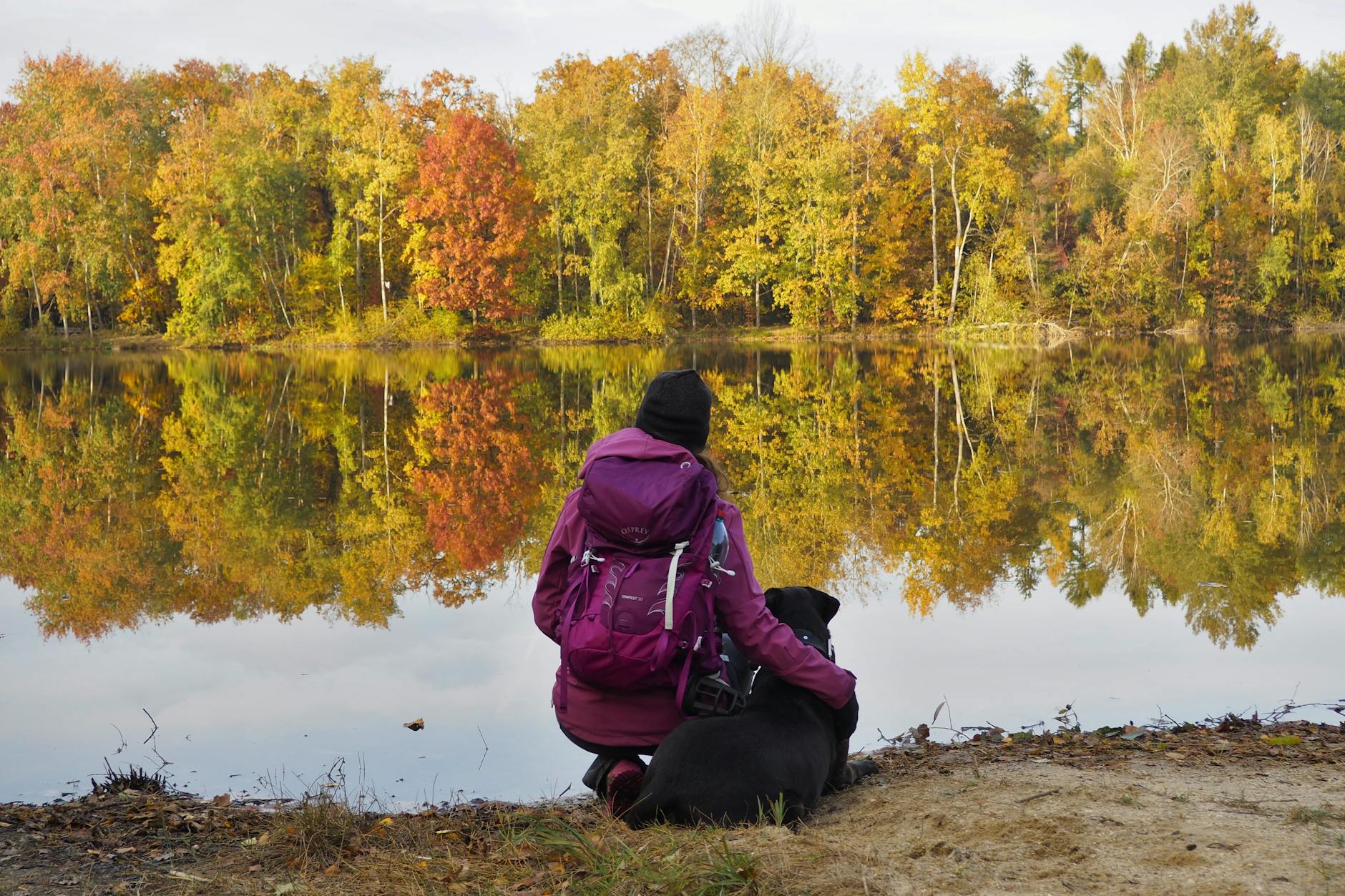
Photo by Jarda Husák on Pexels

Best Hiking Backpacks for 2026 (Tested & Ranked)

🌍 Plan & Book Your Trip

Compare the best deals for this destination — flights, hotels, tours and more:

Affiliate links — we may earn a commission at no extra cost to you.

Seven packs, dozens of trails, hundreds of miles — here’s what actually performs when the weight is on your shoulders and the trail gets steep.

After blowing $200 on my first hiking backpack — which destroyed my shoulders on a 14-mile Grand Canyon rim-to-rim attempt — I became obsessed with pack fit and design. Seven years and 30+ backpacks later, I’ve tested everything from ultralight daypacks to expedition-ready 65-liter haulers across desert canyons, alpine passes, and humid rainforest trails. If you’re searching for the best hiking backpack, I’ve done the sweaty, blister-inducing research so you can skip straight to the right pack for your adventures.

Choosing a hiking backpack isn’t like picking a water bottle or a pair of sunglasses. It’s the single piece of gear that sits on your body for every step of every hike. A bad pack turns a beautiful trail into a miserable death march. A great pack disappears — you forget it’s there, even loaded with 30 pounds, because the weight transfers perfectly to your hips and the ventilation keeps your back from becoming a swamp.

Here’s my honest breakdown of the 7 best hiking backpacks across every category, plus a guide to fitting your pack properly.

Affiliate disclosure: This guide contains affiliate links. If you buy through one, we may earn a small commission at no extra cost to you. We only recommend gear we’ve actually tested or would happily use ourselves. Full disclosure here.

Key Takeaways

  • Day hikes (15-30L): The Osprey Talon 22 remains the gold standard for comfort and ventilation on day hikes.
  • Overnight trips (35-50L): The Gregory Zulu 40 offers the best balance of capacity, organization, and comfort for one-night trips.
  • Multi-day treks (50-65L): The Osprey Atmos AG 65 is our top pick for its Anti-Gravity suspension that makes heavy loads feel lighter.
  • Ultralight (under 2 lbs): The Gossamer Gear Mariposa 60 shaves serious weight without sacrificing usability.
  • Pack fit matters more than brand. A $150 pack that fits your torso perfectly will outperform a $350 pack that doesn’t.
  • Hip belt is everything. 80% of your pack weight should ride on your hips, not your shoulders.
  • Try before you buy if possible — REI and similar retailers will let you load a pack with weight and walk around the store.

Quick Facts

DetailInfo
Packs tested7 (across 4 categories)
Miles tested500+ combined across all packs
Price range$130–$350
Weight range1.2 lbs (ultralight) to 4.8 lbs (expedition)
Volume range22L (day hike) to 65L (multi-day)
Top overall pickOsprey Atmos AG 65 (best for most hikers)
Best valueREI Co-op Flash 55
Testing locationsGrand Canyon, Zion, Smokies, Cascades, Dolomites
Testing period18 months (2024–2026)

How I Tested These Packs

I didn’t just wear these on a casual day hike and call it a review. Each pack was tested with progressively heavier loads across multiple terrain types:

  • Day packs: Tested on 10+ day hikes with 10-15 lbs (water, lunch, layers, camera)
  • Overnight packs: Tested on 5+ overnight backpacking trips with 25-30 lbs
  • Multi-day packs: Tested on 3+ multi-day trips with 30-45 lbs
  • All packs: Evaluated in rain, heat, cold, and across elevation gains of 3,000+ feet
I evaluated each pack on: comfort under load, ventilation, organization/pockets, durability, weight, hip belt effectiveness, and value for money.

The 7 Best Hiking Backpacks for 2026

Best Day Hiking Pack: Osprey Talon 22

SpecDetail
Volume22 liters
Weight1 lb 14 oz
Frame typePeripheral frame (flexible)
Hip beltRemovable padded belt
Price~$160
Best forDay hikes up to 10 miles with 8-15 lbs
The Talon 22 is a day hiking legend for a reason. It’s light enough to forget about on short hikes but structured enough to carry 15 pounds comfortably when you’re hauling camera gear, extra water, and layers for a summit push.

What I love:

  • AirScape back panel provides genuine ventilation without sacrificing support
  • Hipbelt pockets fit a phone perfectly — accessible while walking
  • Helmet carry attachment doubles as a compression system for bulky layers
  • Hydration-compatible with a dedicated sleeve
  • Stretchy mesh side pockets easily fit 1L Nalgene bottles
What could be better:
  • At 22L, it’s tight for winter day hikes with bulky layers
  • Hip belt is minimal — fine for 15 lbs, not great above 20 lbs
  • No rain cover included (buy separately or use a pack liner)
Bottom line: If you do primarily day hikes and want one pack that handles everything from a 3-mile waterfall walk to a 12-mile summit push, the Talon 22 is the answer. I’ve owned mine for 4 years and it’s still going strong.

Best Overnight Pack: Gregory Zulu 40

SpecDetail
Volume40 liters
Weight2 lbs 14 oz
Frame typeInternal frame (aluminum stay)
Hip beltFreeFloat padded hip belt
Price~$200
Best for1-2 night trips with 20-30 lbs
The Zulu 40 hits the Goldilocks zone for overnight backpackers. It’s big enough for a one-night trip (tent, sleeping bag, pad, food, clothes) without being so large that it encourages overpacking. The FreeFloat suspension lets the hip belt pivot independently from the pack body — game-changer on uneven terrain.

What I love:

  • FreeFloat hip belt moves with your body — no rigid torque on descents
  • Excellent organization: top-loading with U-zip panel access, multiple zippered pockets
  • Rain cover included in dedicated pocket (not an afterthought)
  • Ventilated back panel keeps airflow going even when loaded
  • Compression straps actually work to cinch down half-full loads
What could be better:
  • At 40L, packing for winter overnights requires tetris-level skills
  • Side water bottle pockets are slightly tight for wide-mouth Nalgenes
  • Hip belt pockets could be larger
Bottom line: The Zulu 40 is my go-to for overnight trips from spring through fall. It carries 25 pounds like a dream and the organization keeps everything accessible without digging.

Best Multi-Day Pack: Osprey Atmos AG 65

SpecDetail
Volume65 liters
Weight4 lbs 8 oz
Frame typeInternal frame (Anti-Gravity suspension)
Hip beltAnti-Gravity mesh wraparound
Price~$320
Best for3-7 day treks with 30-45 lbs
This is the pack I recommend to more people than any other. Osprey’s Anti-Gravity (AG) suspension uses a continuous mesh panel that wraps from the back panel around the hip belt, creating a floating, trampoline-like carry that distributes weight across your entire torso instead of creating pressure points.

What I love:

  • Anti-Gravity suspension genuinely makes 40 lbs feel like 30 — this isn’t marketing fluff
  • Full mesh back panel means zero contact between the pack and your back — best ventilation in class
  • Fit-on-the-Fly hip belt and shoulder straps adjust without tools
  • Removable top lid converts to a daypack (useful for summit pushes from base camp)
  • Osprey’s All Mighty Guarantee means free repair for life
What could be better:
  • At 4.5 lbs, it’s not ultralight (you’re carrying nearly 5 lbs of pack before adding gear)
  • The mesh back panel creates a gap that makes the pack ride slightly further from your body — can feel unstable on scrambles
  • Expensive at $320
Bottom line: For most hikers doing multi-day trips (Inca Trail, EBC trek, Appalachian Trail sections, Patagonia circuits), the Atmos AG 65 is the safest recommendation. It turns heavy loads into manageable ones without requiring ultralight gear knowledge.

Best Ultralight Pack: Gossamer Gear Mariposa 60

SpecDetail
Volume60 liters
Weight1 lb 10 oz (!!!)
Frame typeRemovable sit pad frame
Hip beltPadded, removable
Price~$270
Best forExperienced hikers carrying sub-25 lb loads
Weighing just 26 ounces for a 60-liter pack, the Mariposa is an engineering marvel. It achieves this through lighter fabrics (100D Robic nylon), minimal padding, and a simple framesheet instead of metal stays. But — and this is important — it only works well with lighter loads.

What I love:

  • Under 2 lbs for 60 liters of space — mind-blowing weight savings
  • Large mesh front pocket and side pockets add accessible external storage
  • Comfortable to 25 lbs with proper packing technique
  • Roll-top closure allows volume adjustment
  • Made in USA (Austin, Texas)
What could be better:
  • Above 25 lbs, the minimal frame struggles to transfer weight to hips
  • Thinner fabric requires more careful treatment (not for bushwhacking)
  • No hip belt pockets included (sold separately)
  • Learning curve — you need to pack it correctly for comfort
Bottom line: If you’ve dialed in your base weight to under 15 lbs and want a pack that matches your ultralight philosophy, the Mariposa is exceptional. It’s not for beginners or heavy packers — but for experienced hikers, it’s a revelation.

Best Value Pack: REI Co-op Flash 55

SpecDetail
Volume55 liters
Weight2 lbs 11 oz
Frame typeInternal frame (aluminum stays)
Hip beltPadded with pockets
Price~$180
Best forBudget-conscious hikers wanting multi-day capability
REI’s Flash 55 offers 80% of the performance of a $300+ pack at nearly half the price. It’s lighter than most competitors in its size class, carries weight reasonably well to 35 lbs, and includes features (rain cover, compression straps, hydration compatibility) that some expensive packs skip.

What I love:

  • Incredible price-to-performance ratio
  • Light for its volume at 2 lbs 11 oz
  • Adjustable torso length fits a wide range of bodies
  • REI’s return policy means you can test it on-trail and return if it doesn’t work
  • Brain/top lid is removable for weight savings
What could be better:
  • Hip belt isn’t as comfortable as Gregory or Osprey under loads above 30 lbs
  • Back ventilation is adequate but not exceptional
  • Organization is basic compared to premium packs
  • Durability of the lighter fabric remains to be proven long-term
Bottom line: If you’re getting into backpacking and don’t want to spend $300+ on your first multi-day pack, the Flash 55 is the answer. Paired with REI’s legendary return policy, it’s essentially risk-free.

Best Women’s-Specific Pack: Osprey Aura AG 65

SpecDetail
Volume65 liters
Weight4 lbs 5 oz
Frame typeInternal frame (Anti-Gravity suspension)
Hip beltWomen’s-specific AG mesh wraparound
Price~$320
Best forWomen doing multi-day treks with 25-40 lbs
The Aura is the women’s-specific version of the Atmos AG, redesigned from the ground up (not just a “shrink it and pink it” job). The shoulder harness angle is steeper, the hip belt rides higher and is shaped for wider hips, and the torso length range is shorter.

What I love:

  • Same Anti-Gravity suspension as the Atmos — best-in-class comfort
  • Genuine women’s-specific design in harness, hip belt, and torso range
  • Same Fit-on-the-Fly adjustability
  • Same lifetime warranty
  • Available in XS/S and S/M torso sizes
What could be better:
  • Same weight concerns as the Atmos (4+ lbs of pack)
  • Same mesh gap issue on technical terrain
  • Price matches the Atmos at $320
  • Color options are more limited
Bottom line: If the Atmos AG 65 is the best multi-day pack for most hikers, the Aura AG 65 is the best for women specifically. Don’t settle for a “unisex” pack that doesn’t fit your body geometry.

Best for Travel + Hiking: Osprey Farpoint 55

SpecDetail
Volume55 liters (40L main + 15L daypack)
Weight4 lbs 2 oz
Frame typeInternal frame (LightWire)
Hip beltPadded, stowable
Price~$200
Best forTravel-hikers who need a pack that works as both luggage and a hiking pack
The Farpoint 55 is technically a travel pack, but it’s built on a legitimate hiking frame and includes a detachable 15L daypack that works independently on day hikes. For international trekking trips (Everest Base Camp, Kilimanjaro, Dolomites hut-to-hut), where you need a pack that works on planes AND trails, it’s ideal.

What I love:

  • Zip-around main panel opens like a suitcase (no digging through a top-loader)
  • Detachable 15L daypack for summit days or city exploring
  • Hip belt and shoulder straps tuck away for checking on flights
  • Comfortable enough for 4-5 day treks at 25-30 lbs
  • TSA-friendly laptop sleeve for travel days
What could be better:
  • Not as comfortable as a dedicated hiking pack above 30 lbs
  • The suitcase-style opening is less ideal for traditional backpacking
  • Hip belt is less padded than the Atmos/Aura
  • Detachable daypack connection points add bulk
Bottom line: If you fly to your treks (international hiking, destination backpacking), the Farpoint 55 solves the “airport to trailhead” problem that pure hiking packs can’t.

Complete Comparison Table

PackVolumeWeightFramePriceBest ForRating
Osprey Talon 2222L1 lb 14 ozPeripheral~$160Day hikes⭐⭐⭐⭐⭐
Gregory Zulu 4040L2 lb 14 ozInternal~$200Overnight⭐⭐⭐⭐⭐
Osprey Atmos AG 6565L4 lb 8 ozInternal (AG)~$320Multi-day⭐⭐⭐⭐⭐
Gossamer Gear Mariposa 6060L1 lb 10 ozSit pad~$270Ultralight⭐⭐⭐⭐½
REI Co-op Flash 5555L2 lb 11 ozInternal~$180Budget multi-day⭐⭐⭐⭐
Osprey Aura AG 6565L4 lb 5 ozInternal (AG)~$320Women’s multi-day⭐⭐⭐⭐⭐
Osprey Farpoint 5555L4 lb 2 ozInternal~$200Travel + hiking⭐⭐⭐⭐

How to Fit a Hiking Backpack Properly

A $350 pack will destroy your shoulders if it doesn’t fit. Here’s how to get it right:

Step 1: Measure Your Torso Length (Not Height)

Your torso length — the distance from your C7 vertebra (the bony bump at the base of your neck) to the top of your hip bones — determines what pack size you need. This has almost nothing to do with your overall height.

How to measure:

  1. Tilt your head forward to find the C7 vertebra (prominent bump where neck meets shoulders)
  2. Place your hands on your hips with thumbs pointing back — the line between your thumbs is your iliac crest
  3. Measure the distance between C7 and that thumb line
  4. Match to the pack’s size chart (e.g., S: 16-18″, M: 18-20″, L: 20-22″)

Step 2: Load the Pack with Weight

Don’t judge fit with an empty pack. Load it with 20-30 lbs (ask the store for sandbags) before evaluating.

Step 3: The Fit Checklist

  • Hip belt: Should sit on top of your iliac crest (hip bones), NOT on your waist. 80% of weight goes here.
  • Shoulder straps: Should wrap over your shoulders and meet the pack 1-2 inches below the top of your shoulders. No gaps.
  • Load lifters: The straps angling from the top of the shoulder straps to the pack body should be at 45 degrees. If they’re pulling straight up or lying flat, the torso length is wrong.
  • Sternum strap: Should sit about 1 inch below your collarbones. Not strangling your chest.

Step 4: Walk Around

Walk for at least 15 minutes with full weight. Go up and down stairs. Bend over. Reach for things. The pack should feel stable and the weight should be primarily on your hips, with shoulder straps guiding the pack rather than bearing the load.

A Quick Reflection

The backpack that changed my perspective on gear wasn’t the most expensive one I’ve owned. It was the REI Flash 55 — a $180 pack I bought as a “placeholder” while saving up for an Atmos AG.

I took that Flash on a 4-day Glacier National Park loop, fully loaded with 32 pounds of gear, food, and bear canister. I expected shoulder pain by day 2. Instead, I finished day 4 thinking “huh, that was fine.” Not spectacular, not forget-it’s-there comfortable, but genuinely fine for 50+ miles of mountain terrain.

That experience taught me something: the gear industry wants you to believe you need the $350 premium option. Sometimes you do — on a 2-week trek through Nepal, that Anti-Gravity suspension earns every penny. But for weekend backpacking trips? A well-fitted mid-range pack performs at 90% of the premium level for half the price.

Buy the best you can afford. But don’t let budget prevent you from getting outside. A $150 pack that fits properly will take you everywhere a $350 pack will — your back might just be slightly sweatier when you get there.

Frequently Asked Questions

Need help with pack fit and sizing? See REI’s free Expert Advice library.

Final Thoughts

The best hiking backpack is the one that fits your body AND your adventures. A weekend warrior doesn’t need a 65-liter expedition pack. An aspiring thru-hiker doesn’t need an ultralight frameless sack for their first trip. Match the pack to your most common use case, prioritize fit above all else, and remember that comfort under load matters infinitely more than brand prestige or color options.

My desert-island picks? The Osprey Talon 22 for day hikes and the Atmos AG 65 for everything else. But if budget is tight, the REI Flash 55 will get you everywhere you want to go.

Now load up that pack and go find your next trail.

Planning your next backpacking trip? Use our Trip Planner to organize your gear list, map your route, and estimate your pack weight before you hit the trail.

Related Reading:

✈️ Planning your trip?

Compare cheap flights, hotels and car rentals for your adventure.

Find Cheap Flights →Compare Hotels →

🌍 Plan & Book Your Trip

Compare the best deals for this destination — flights, hotels, tours and more:

Affiliate links — we may earn a commission at no extra cost to you.

Leave a Comment

Your email address will not be published. Required fields are marked *

Scroll to Top