Annapurna Circuit Trek: The Complete Guide
🌍 Plan & Book Your Trip
Compare the best deals for this destination — flights, hotels, tours and more:
Affiliate links — we may earn a commission at no extra cost to you.
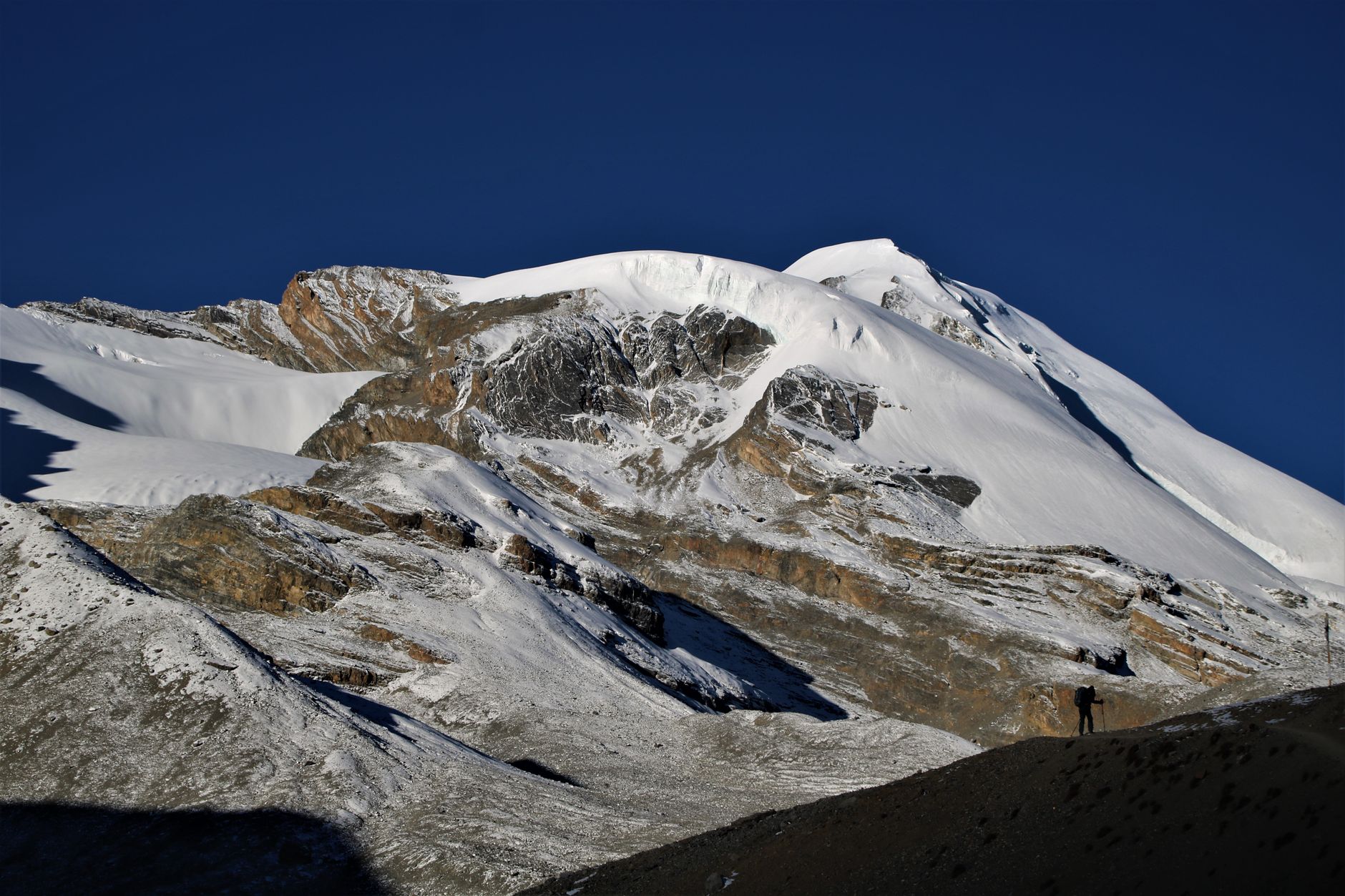
Crossing toward Thorong La — the Annapurna Circuit climbs from rice paddies to a 17,769-foot pass in a single trek.
There’s a reason the Annapurna Circuit shows up on nearly every “world’s best treks” list. In a single loop you climb from subtropical rice terraces and waterfalls, through pine forests and Tibetan-influenced villages, up to a wind-scoured 17,769-foot pass, and back down into a desert canyon — watching the landscape and the culture transform with almost every day. If you’re researching the Annapurna Circuit trek, you’re looking at one of the most varied, rewarding long-distance walks on the planet, and one that doesn’t require any technical climbing.
I won’t sugarcoat the hard parts: it’s long, the altitude is serious, and a road has changed the classic route over the years. But it’s also extraordinarily accessible — you sleep in teahouses every night, the trail is well-established, and you can do it on a surprisingly modest budget. Here’s everything you need to plan it well, from permits and itinerary to the all-important business of not getting altitude sick.
Key Takeaways
- Duration: 12–18 days depending on your route, side trips, and how much of the road you skip by jeep.
- High point: Thorong La pass at 17,769 ft (5,416 m) — the crux of the whole trek.
- No technical climbing. It’s a walking trail the whole way, though long and steep in places.
- Two permits required: ACAP and TIMS (verify current costs — they change yearly).
- Altitude sickness is the #1 risk. Acclimatize properly and never rush the climb to Thorong La.
- You stay in teahouses (village lodges) every night — no camping needed.
- Best seasons: October–November and March–April. Avoid the summer monsoon and deep winter at the pass.
- A road now reaches parts of the route — many trekkers jeep past the dustier sections and take the scenic NATT side-trails.
Quick Facts
| Detail | Info |
|---|---|
| Country | Nepal (Annapurna Conservation Area) |
| Trek distance | ~160–230 km depending on route + road skips |
| Duration | 12–18 days (classic); shorter with jeep transfers |
| Highest point | Thorong La pass: 17,769 ft (5,416 m) |
| Permits | ACAP + TIMS card (verify current fees) |
| Accommodation | Teahouses (village lodges) |
| Start point | Besisahar (road head); often jeep to Chame/Manang |
| End point | Jomsom / Tatopani → Pokhara |
| Best months | Oct–Nov and Mar–Apr |
| Difficulty | Moderate–Strenuous (altitude is the main challenge) |
| Nearest hub | Pokhara / Kathmandu |
How the Annapurna Circuit Works (and the Road Situation)
The classic Circuit is a counter-clockwise loop around the Annapurna massif, starting in the lowlands near Besisahar, climbing the Marsyangdi valley to Manang, crossing Thorong La pass, descending to the sacred town of Muktinath, and dropping into the dramatic Kali Gandaki gorge toward Jomsom and Pokhara.
Here’s the honest update most old guidebooks miss: a road has been built along much of the route. That’s changed the trek. Many trekkers now take a jeep past the dustier lower sections (Besisahar to Chame or Manang) to save days and avoid walking beside vehicles. To preserve the experience, a network of NATT trails (New Annapurna Trekking Trails) routes hikers onto quieter paths away from the road. Plan your route around these alternate trails and you’ll still get the wild, beautiful Circuit — just verify the current situation when you book.
The route-planning key: Decide upfront how much of the lower road you want to skip by jeep. Skipping it can cut several days and a lot of dust; walking it (on NATT side-trails) gives a fuller experience. Most modern trekkers do a hybrid — jeep the least scenic part, walk the rest.
Permits You Need
You need two permits for the Annapurna Circuit, both easily arranged in Kathmandu or Pokhara (or via an agency):
| Permit | What It Is | Notes |
|---|---|---|
| ACAP | Annapurna Conservation Area Permit | Funds conservation; required to enter the region |
| TIMS | Trekkers’ Information Management System card | Registers you for safety/tracking |
The Classic 14-Day Itinerary
This is a representative itinerary built around safe acclimatization. Your exact days will shift depending on jeep transfers and side trips. The acclimatization day in Manang is non-negotiable — it’s what gets you safely over the pass.
| Day | Route | Approx. Elevation | Notes |
|---|---|---|---|
| 1 | Kathmandu → Besisahar → Chame (drive/jeep) | 8,890 ft | Long road day; jeep skips lower dust |
| 2 | Chame → Upper Pisang | 10,800 ft | Pine forest, first big peak views |
| 3 | Upper Pisang → Manang (high route) | 11,500 ft | Scenic NATT upper trail; Ghyaru/Ngawal villages |
| 4 | Acclimatization day in Manang | 11,500 ft | Day hike to Ice Lake or Gangapurna viewpoint |
| 5 | Manang → Yak Kharka | 13,300 ft | Above the tree line now |
| 6 | Yak Kharka → Thorong Phedi / High Camp | 14,800–15,750 ft | Position for the pass |
| 7 | Thorong La pass → Muktinath | 17,769 ft → 12,170 ft | THE BIG DAY — pre-dawn start |
| 8 | Muktinath → Jomsom (or jeep) | 8,900 ft | Sacred temples; Kali Gandaki gorge |
| 9 | Jomsom → Tatopani (jeep) + hot springs | 3,900 ft | Descent into the warm lowlands |
| 10 | Tatopani → Ghorepani | 9,430 ft | Big climb back up through rhododendron forest |
| 11 | Poon Hill sunrise → Tadapani | 10,500 ft → 8,660 ft | Famous sunrise over Annapurna + Dhaulagiri |
| 12 | Tadapani → Ghandruk | 6,560 ft | Beautiful Gurung village |
| 13 | Ghandruk → Nayapul → Pokhara | — | Trek ends; relax in Pokhara |
| 14 | Buffer day | — | Insurance against weather/delays |
Altitude: The Most Important Section
Thorong La at 17,769 feet is higher than any point in the continental US, and altitude sickness (AMS) is the reason some trekkers don’t make it across. It’s largely preventable if you respect the mountain.
The Golden Rules
- Climb high, sleep low. Use the Manang acclimatization day to day-hike higher, then sleep low.
- Don’t rush. Above 10,000 ft, avoid increasing your sleeping altitude by more than ~1,000 ft per day where possible.
- If symptoms appear, stop ascending. Headache, nausea, dizziness, and poor sleep are warnings.
- If symptoms worsen, descend. Even a few hundred meters down can be life-saving.
- Hydrate hard — 3–4 liters a day — and skip alcohol at altitude.
- Cross Thorong La early. Start pre-dawn; winds pick up dangerously by late morning.
AMS Symptoms to Watch
| Severity | Symptoms | Action |
|---|---|---|
| Mild | Headache, poor appetite, mild nausea, bad sleep | Rest, hydrate, don’t ascend further |
| Moderate | Severe headache, vomiting, fatigue, dizziness | Do not ascend; consider descending |
| Severe (HACE/HAPE) | Confusion, stumbling, breathlessness at rest, persistent cough | EMERGENCY — descend now, get help |
Costs Breakdown
The Annapurna Circuit is one of the better-value bucket-list treks in the world. Here’s a rough picture per person:
| Category | Budget | Mid-Range | Comfortable |
|---|---|---|---|
| Permits (ACAP + TIMS) | $50-70 | $50-70 | $50-70 |
| Guide | $0 (where allowed) | $25-35/day | $40+/day |
| Porter | $0 | $18-25/day | $18-25/day |
| Teahouse lodging | $3-8/night | $5-15/night | $15-30/night |
| Food on trek | $20-30/day | $30-40/day | $40-50/day |
| Jeep transfers | $10-30/leg | $10-30/leg | private hire |
| Pokhara/Kathmandu extras | varies | varies | varies |
| TOTAL (14 days) | $700-1,200 | $1,300-2,200 | $2,500+ |
Teahouses: What to Expect
You’ll sleep in teahouses — village lodges run by local families — every night. Expect:
- Basic twin rooms with thin mattresses (bring a sleeping bag rated for cold at altitude)
- A warm communal dining room heated by a stove — the social heart of each lodge
- Squat or simple toilets, increasingly basic the higher you go
- Dal bhat (lentils + rice, refillable and trekker-fuel gold), plus noodles, momos, and Western-ish options
- Charging and WiFi for a small fee, getting pricier and patchier with altitude
- Cold nights — rooms aren’t heated; the dining room is where everyone gathers
Fitness & Training
The Circuit isn’t technical, but it’s long and high, which makes it strenuous even for fit people. You should be comfortable hiking 5–7 hours a day for two weeks, with the occasional big climb and a brutal pass day.
| Weeks Out | Training Focus |
|---|---|
| 12-16 weeks | Build aerobic base — 3-4x cardio/week (running, cycling, hiking) |
| 8-12 weeks | Add weekend hikes with a loaded daypack, focus on elevation gain |
| 4-8 weeks | Back-to-back long hike days; stair/hill repeats with a pack |
| 2-4 weeks | Taper — maintain fitness, rest, stretch, don’t overtrain |
What to Pack
| Category | Essentials |
|---|---|
| Clothing | Merino/synthetic base layers, fleece/down mid-layer, down jacket, waterproof shell, trekking pants |
| Extremities | Warm hat, sun hat, liner + insulated gloves, buff, warm socks |
| Footwear | Broken-in waterproof hiking boots + camp shoes/sandals |
| Sleep | Sleeping bag rated to ~ -10°C (rentable in Kathmandu/Pokhara) |
| Gear | Trekking poles, headlamp, 20,000mAh power bank, daypack (30-40L) |
| Water | Filter/purifier + bottles — treat your water (see our best water filter guide) |
| Sun/health | Cat. 4 sunglasses, SPF 50+, lip balm, basic first-aid, Diamox (if advised) |
Best Time to Trek
| Season | What to Expect |
|---|---|
| Autumn (Oct–Nov) | The best season — clear skies, stable weather, big mountain views, busy trails |
| Spring (Mar–Apr) | Warmer, rhododendron blooms, good views (slightly hazier than autumn) |
| Summer/Monsoon (Jun–Aug) | Avoid — heavy rain, leeches, clouds, landslide risk (though upper Mustang stays drier) |
| Winter (Dec–Feb) | Cold; Thorong La often snowed in or closed by storms — for the experienced only |
A Quick Reflection
I’d braced myself for the pass — the 17,769-foot crux everyone warns you about. We left High Camp at 4 a.m. in headlamp dark and brutal cold, taking absurdly small steps in the thin air, and after hours of grinding switchbacks I finally reached the prayer-flag-draped sign at Thorong La. It was the obvious “moment.” I should have been overwhelmed.
But the memory that actually stuck with me happened two days earlier, in Manang, on the acclimatization day. I’d hiked up toward the Gangapurna viewpoint and ended up sharing a thermos of tea with an old Nepali man outside a tiny stone teahouse. We barely shared a language. He pointed at the wall of ice across the valley — Annapurna III, Gangapurna, peaks I couldn’t name — and just smiled, like he was introducing me to old friends. We sat in silence and watched clouds tear across the summits.
That’s the thing about the Annapurna Circuit. The pass is the headline, but the trek is really about the slow accumulation of these moments — the villages, the changing landscapes, the people who live their whole lives beneath these giants. Thorong La is the achievement. The two weeks getting there and back down are the actual gift.
Frequently Asked Questions
Before booking, verify permit costs, guide requirements, and current route/road conditions via the official Nepal Tourism Board.
Final Thoughts
The Annapurna Circuit earns its bucket-list status the honest way: it makes you walk through an entire world. You start among waterfalls and rice paddies and finish staring at an 8,000-meter peak from a sacred town in a high desert — and in between, you cross one of the great trekking passes on Earth. It’s challenging, but it’s accessible, affordable, and endlessly rewarding.
Plan around the autumn or spring window, sort your ACAP and TIMS permits, take the Manang acclimatization day seriously, and decide how much road to skip by jeep. Then take it slow, eat your dal bhat, and let the trek do what it does best — change you, one village and one mountain at a time.
Planning your Annapurna trek? Use our Trip Planner to organize your itinerary, track permits, and build your packing list.
Related Reading:
- Everest Base Camp Trek Guide — Nepal’s other legendary high-altitude trek
- Peru Inca Trail to Machu Picchu Guide — another bucket-list trek to compare
- Best Water Filters for Hiking & Backpacking — essential for teahouse trekking
- Best Hiking Backpacks for 2026 — find the right pack for two weeks on trail
✈️ Planning your trip?
Compare cheap flights, hotels and car rentals for your adventure.
Find Cheap Flights →Compare Hotels →🌍 Plan & Book Your Trip
Compare the best deals for this destination — flights, hotels, tours and more:
Affiliate links — we may earn a commission at no extra cost to you.