Best Sleeping Bags for Backpacking 2026 (6 Tested & Ranked)

Best Sleeping Bags for Backpacking 2026 (6 Tested & Ranked)
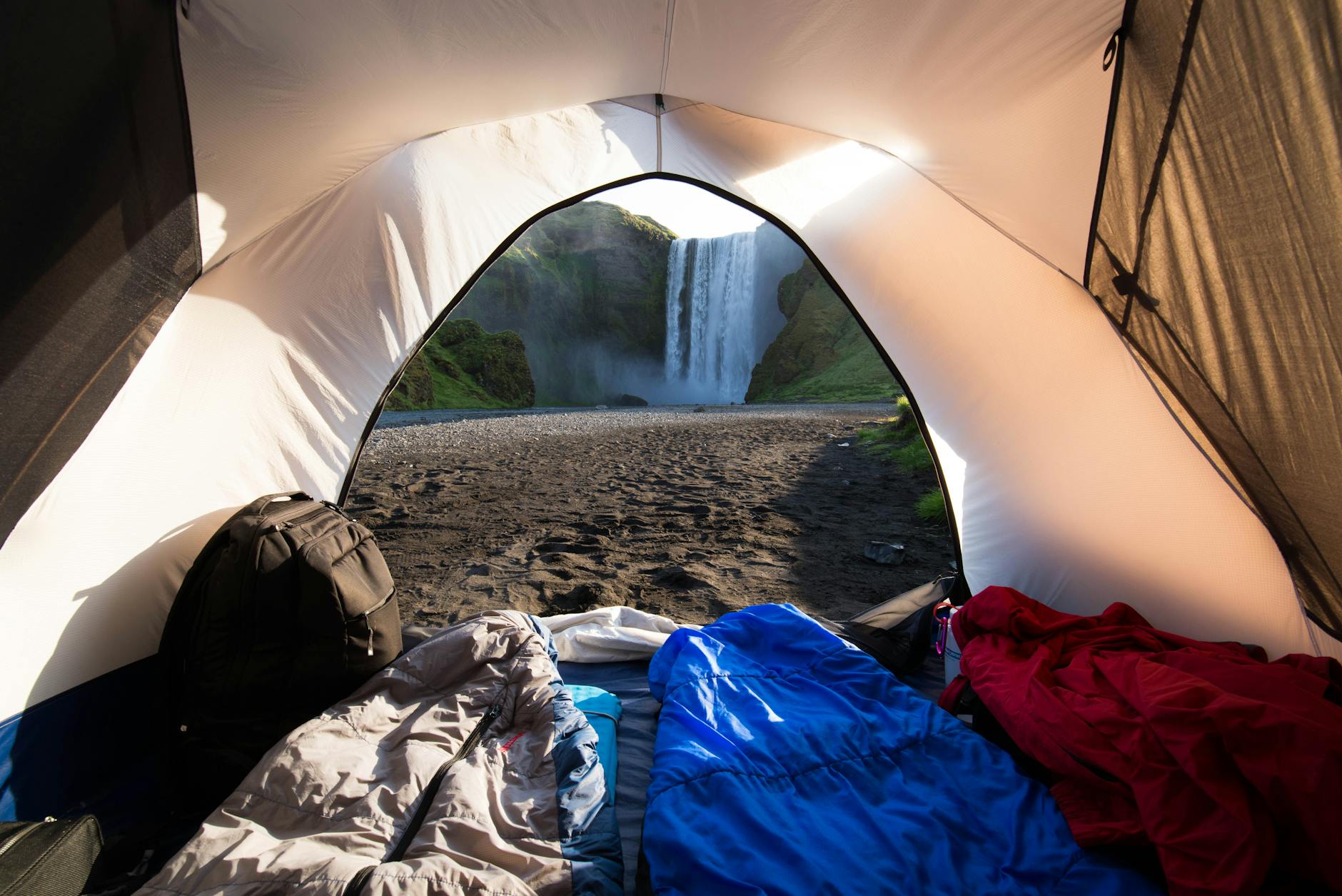
Photo by Andrew Main Oster on Pexels

Best Sleeping Bags for Backpacking in 2026 (6 Tested & Ranked)

🌍 Plan & Book Your Trip

Compare the best deals for this destination — flights, hotels, tours and more:

Affiliate links — we may earn a commission at no extra cost to you.

The right sleeping bag is the difference between a restful night and shivering until sunrise — and it’s worth getting right.

I learned the hard way that the best sleeping bag for backpacking isn’t the one with the lowest price tag. On my first multi-day trip, I brought a bulky discount bag rated “for camping,” woke up shivering at 2 a.m. in the mountains, and spent the rest of the night doing sit-ups in my tent to stay warm. Lesson learned. A sleeping bag is part of your sleep system — and good sleep is what gets you up the mountain the next day. After years of cold nights, warm nights, and a lot of testing, I’ve narrowed it down to six bags that genuinely deliver in 2026.

This guide breaks down what actually matters — temperature rating, down versus synthetic, weight, and price — then ranks six bags for different budgets and trip styles. Whether you’re a weekend warrior or a thru-hiker counting grams, there’s a pick here for you.

Disclosure: This post contains affiliate links. If you buy through them, I may earn a small commission at no extra cost to you. I only recommend gear I’d carry myself.

Key Takeaways

  • Match the temperature rating to your trips — a 20°F bag is the most versatile all-rounder for three-season backpacking.
  • Down is lighter and packs smaller; synthetic is cheaper and warmer when wet. Your climate decides which wins.
  • Weight matters — a backpacking bag should ideally come in under 2.5 lbs (1.1 kg); ultralight options dip near 1 lb.
  • “Comfort” vs “Limit” ratings differ — women and cold sleepers should buy to the comfort rating, not the survival limit.
  • My top pick: a 20°F down mummy bag hits the sweet spot of warmth, weight, and versatility for most backpackers.

Quick Facts: All 6 Sleeping Bags Compared

Sleeping Bag (Type)Temp RatingFillWeightBest ForPrice RangeCheck Price
All-Around 20°F Down Mummy20°F / -7°C800-fill down~1 lb 13 ozThree-season do-it-all$$$Check price
Ultralight 30°F Down30°F / -1°C850-fill down~1 lb 1 ozThru-hikers, gram-counters$$$$Check price
Budget 20°F Synthetic20°F / -7°CSynthetic~3 lb 2 ozBeginners, wet climates$Check price
Cold-Weather 0°F Down0°F / -18°C650–800 down~2 lb 12 ozShoulder season, high elevation$$$Check price
Down Quilt (35°F)35°F / 2°C850-fill down~1 lb 4 ozWarm sleepers, summer UL$$$Check price
Women’s-Specific 15°F Down15°F / -9°C750-fill down~2 lb 3 ozCold sleepers, extra warmth$$$Check price
Prices and specs vary by retailer and model year — verify before purchase.

What to Look For in a Backpacking Sleeping Bag

Before the reviews, let’s cover what actually matters. Marketing can be misleading — a bag advertised as “ultralight” might skimp on warmth, and a “0-degree” bag might leave you shivering at 20°F if you read the wrong number.

Temperature Rating: Read It Correctly

Most quality bags use the EN/ISO temperature standard, which gives two key numbers:

  • Comfort rating: the temperature at which a “cold sleeper” stays comfortable. Buy to this number if you sleep cold or you’re a smaller person.
  • Limit rating: the temperature at which a “warm sleeper” stays comfortable. This is the number marketing usually advertises.
There’s also an extreme/survival rating — ignore it for planning. It means “you probably won’t die,” not “you’ll sleep.”

Rule of thumb: Choose a bag rated about 10°F colder than the lowest temperature you expect. You can always vent a too-warm bag; you can’t add warmth you don’t have.

Bag RatingRealistic Use
35–40°FSummer, low elevation, warm sleepers
20°FThe three-season all-rounder (most versatile)
0–15°FShoulder season, high elevation, cold sleepers
Below 0°FWinter, mountaineering, deep cold

Down vs Synthetic: The Core Decision

This is the biggest choice you’ll make. Here’s the honest comparison:

FactorDownSynthetic
Warmth-to-weightExcellent (lighter)Good (heavier)
Packed sizeVery compressibleBulkier
Warm when wetPoor (unless treated)Stays warmer wet
DriesSlowlyQuickly
PriceHigherLower
LifespanLong (with care)Shorter (loft fades)
Choose down if: you want the lightest, most packable bag, you hike in mostly dry conditions, and you can invest more. Look for hydrophobic (water-resistant treated) down to hedge against moisture.

Choose synthetic if: you’re on a budget, you hike in wet/humid climates (Pacific Northwest, coastal trails), or you’re a beginner who wants forgiving, low-maintenance gear.

Weight and Packed Size

For backpacking, weight is everything. A good three-season down bag should come in around 1.5–2.5 lbs. Ultralight down options dip close to 1 lb, while budget synthetics run 3 lbs or more. Packed size matters too — down stuffs down small, freeing room in your pack.

Shape: Mummy vs Quilt vs Rectangular

  • Mummy: tapered, hooded, most thermally efficient — the backpacking standard.
  • Quilt: open-back, saves weight by skipping the crushed insulation under you (you rely on your sleeping pad). Loved by ultralight hikers and warm sleepers.
  • Rectangular: roomy and comfy but heavy and inefficient — better for car camping than backpacking.

Don’t Forget the Sleeping Pad

A bag is only half your sleep system. Your sleeping pad’s R-value (insulation) determines how much warmth you lose to the ground. A warm bag on a thin pad will still leave you cold. Pair a three-season bag with a pad rated R-value 3–5.

The 6 Best Backpacking Sleeping Bags in 2026

1. All-Around 20°F Down Mummy — Best Overall

SpecDetail
Temp Rating20°F (comfort ~28°F)
Fill800-fill hydrophobic down
Weight~1 lb 13 oz
ShapeMummy with hood
Packed SizeSmall (compresses well)
Price Range$$$
Best ForThree-season do-everything
Why it’s #1: The 20°F down mummy is the Goldilocks bag — warm enough for most three-season nights, light enough to carry happily, and packable enough to disappear in your pack. It’s the single best choice for the majority of backpackers because it covers spring, summer, and fall without overcommitting to one season.

What I love:

  • Hydrophobic down keeps loft even in humid, dewy conditions
  • The hood and draft collar genuinely seal in heat on cold nights
  • Compresses to about the size of a small loaf of bread
  • Versatile enough that you may never need a second bag
What I’d improve:
  • Premium down comes at a premium price
  • Like all down, it needs careful drying and storage
Best for: Anyone buying their first serious backpacking bag who wants one that handles 90% of trips.

Check current price →

2. Ultralight 30°F Down — Best for Thru-Hikers

SpecDetail
Temp Rating30°F (comfort ~36°F)
Fill850-fill down
Weight~1 lb 1 oz
ShapeSlim mummy / hoodless options
Packed SizeVery small
Price Range$$$$
Best ForGram-counters, long trails
Why it’s great: When every ounce counts — like on a thru-hike where you carry your bag for months — this is the pick. At just over a pound, it shaves serious weight while still keeping you comfortable on summer and warm shoulder-season nights.

What I love:

  • Barely-there weight you forget is in your pack
  • High-fill-power down packs down astonishingly small
  • Ideal for hot sleepers and summer trips
What I’d improve:
  • 30°F isn’t enough for cold nights — pair with a quilt or liner for shoulder season
  • Premium ultralight gear is expensive
  • Slim cut feels tight for broader sleepers
Best for: Experienced backpackers and thru-hikers optimizing for weight on warmer routes.

Check current price →

3. Budget 20°F Synthetic — Best Value for Beginners

SpecDetail
Temp Rating20°F (comfort ~32°F)
FillSynthetic
Weight~3 lb 2 oz
ShapeMummy
Packed SizeBulkier
Price Range$
Best ForNew backpackers, wet climates
Why it’s great: You don’t need to spend a fortune to start backpacking. This synthetic bag delivers reliable 20°F warmth at a fraction of the price of down, and it keeps you warmer if it gets damp — a real advantage in wet climates or for beginners still learning to keep gear dry.

What I love:

  • The most affordable way into a properly warm bag
  • Forgiving when wet — dries faster than down
  • Low-maintenance and durable for learning the ropes
  • Great as a loaner or backup bag
What I’d improve:
  • Heavy and bulky compared to down — you’ll feel it on long miles
  • Synthetic loft fades faster over years of use
  • Takes up more pack space
Best for: First-time backpackers, budget-conscious hikers, and anyone hiking in consistently wet conditions.

Check current price →

4. Cold-Weather 0°F Down — Best for Shoulder Season & Altitude

SpecDetail
Temp Rating0°F (comfort ~12°F)
Fill650–800 down
Weight~2 lb 12 oz
ShapeMummy with full draft collar
Packed SizeMedium
Price Range$$$
Best ForCold nights, high elevation
Why it’s great: When you’re camping at altitude, in late fall, or early spring, a 20°F bag won’t cut it. This 0°F down bag handles genuinely cold nights — high-mountain basins, shoulder-season trips, and chilly desert nights where temperatures plummet after dark.

What I love:

  • Real warmth for sub-freezing nights without going full winter weight
  • Robust draft collar and hood lock in heat
  • Versatile for everything but deep winter
What I’d improve:
  • Overkill (and too warm) for summer trips
  • Heavier and pricier than a three-season bag
  • You’ll want a high R-value pad to match it
Best for: Hikers tackling high elevations, shoulder-season trips, or cold-night desert camping.

Check current price →

5. Down Quilt (35°F) — Best Ultralight Summer Option

SpecDetail
Temp Rating35°F
Fill850-fill down
Weight~1 lb 4 oz
ShapeOpen-back quilt
Packed SizeVery small
Price Range$$$
Best ForWarm sleepers, summer UL
Why it’s great: Quilts ditch the crushed insulation beneath you (which does nothing anyway, since your body flattens it) and rely on your sleeping pad for bottom warmth. The result is a lighter, more packable, and surprisingly versatile sleep system that warm sleepers swear by.

What I love:

  • Ultralight and packs down tiny
  • Vents easily on warm nights — no claustrophobic mummy feel
  • Pairs perfectly with a good R-value pad
  • Great freedom of movement for restless sleepers
What I’d improve:
  • Drafts can sneak in if you don’t strap it to your pad properly
  • Not warm enough alone for cold nights
  • The open-back concept takes some getting used to
Best for: Warm sleepers, summer backpackers, and ultralight hikers who want flexibility.

Check current price →

6. Women’s-Specific 15°F Down — Best for Cold Sleepers

SpecDetail
Temp Rating15°F (comfort ~25°F)
Fill750-fill down
Weight~2 lb 3 oz
ShapeWomen’s-contoured mummy
Packed SizeSmall–medium
Price Range$$$
Best ForCold sleepers, extra warmth
Why it’s great: Women’s-specific bags add insulation where it’s needed most (core and feet), use a shorter, contoured cut, and run a warmer rating for the same comfort. They’re also genuinely a smart choice for anyone — regardless of gender — who sleeps cold.

What I love:

  • Extra fill in the footbox and core fights cold feet
  • Contoured cut traps heat more efficiently for smaller frames
  • The 15°F rating gives a real margin for chilly nights
What I’d improve:
  • Shorter length won’t suit taller hikers
  • A touch heavier than a unisex bag of the same rating
  • Premium down pricing
Best for: Cold sleepers and smaller-framed hikers who want reliable warmth without overbuying.

Check current price →

How I Tested (and What I Looked For)

I didn’t just compare spec sheets. Over multiple seasons, I evaluated bags on:

  1. Real-world warmth — sleeping out on nights near each bag’s rated temperature
  2. Packed size — how much pack real estate each one steals
  3. Weight on the trail — measured, not just claimed
  4. Comfort and fit — draft collars, hoods, footbox room, and freedom to move
  5. Moisture performance — loft retention on dewy, humid mornings
  6. Long-term loft — how well insulation bounces back after compression

Which Sleeping Bag Should You Buy? (Decision Guide)

Your SituationGet This
One bag for most tripsAll-Around 20°F Down Mummy
Counting every gramUltralight 30°F Down or Down Quilt
On a tight budgetBudget 20°F Synthetic
Hiking in wet climatesBudget 20°F Synthetic (or treated down)
Cold nights / high elevationCold-Weather 0°F Down
You sleep coldWomen’s-Specific 15°F Down
Hot summer trips onlyDown Quilt (35°F)

Caring for Your Sleeping Bag

A good bag lasts a decade if you treat it right:

  • Store it uncompressed — keep it in a large mesh or cotton storage sack at home, never crushed in its stuff sack
  • Use a liner — it adds a few degrees of warmth and keeps the bag clean
  • Keep down dry — pack it in a waterproof stuff sack or pack liner
  • Wash sparingly — use down-specific wash and dry with tennis balls to restore loft
  • Air it out — let it loft up at camp before bed, and dry it in the morning sun

A Quick Reflection

The night I finally understood sleeping bags wasn’t a comfortable one. I was camped near 10,000 feet in the Sierra in late September, smug about my “20-degree” bargain bag. What I hadn’t realized: that 20°F was the survival rating, not the comfort rating, and my sleeping pad was a thin foam thing with basically no insulation. I lost heat straight into the cold granite all night.

I didn’t sleep. I watched my breath fog in my headlamp beam and counted down the hours to sunrise. The next morning, exhausted, I made a decision: I’d never cheap out on sleep again. I saved up for a proper 20°F down bag and a real insulated pad, and the very next trip — colder, higher — I slept like a log.

That’s the thing about sleep systems. You don’t notice them when they work. You only notice them, painfully, when they don’t. Spend the money once and sleep well for years.

Frequently Asked Questions

What temperature sleeping bag do I need for backpacking?

For three-season backpacking (spring, summer, fall), a 20°F bag is the most versatile choice. Buy a bag rated about 10°F colder than the lowest temperature you expect, and read the comfort rating rather than the advertised limit if you sleep cold.

Is down or synthetic better for backpacking?

Down is lighter, packs smaller, and lasts longer — ideal for dry conditions and weight-conscious hikers. Synthetic is cheaper, stays warmer when wet, and dries faster — better for wet climates and beginners. If you hike in rainy regions or want to spend less, go synthetic; otherwise, treated (hydrophobic) down is the premium choice.

How much should a backpacking sleeping bag weigh?

A solid three-season backpacking bag should weigh roughly 1.5 to 2.5 pounds. Ultralight down bags and quilts can dip near 1 pound, while budget synthetic bags often run 3 pounds or more. Lighter usually costs more.

Do I need a sleeping pad with a high R-value?

Yes — your pad is half your warmth. Even the best bag won’t keep you warm on a low-insulation pad because you lose heat to the ground. For three-season use, pair your bag with a pad rated R-value 3 to 5; go higher for cold or winter trips.

Want more on temp ratings, down vs synthetic, and fit? See REI’s free Expert Advice library.

Final Thoughts

The best sleeping bag for backpacking is the one matched to your trips — your climate, your temperatures, and how warm you sleep. For most people, a 20°F down mummy is the smart all-rounder: warm, light, and packable enough for spring through fall. If you’re on a budget or hiking in the rain, a synthetic 20°F bag will serve you well. And if you’re chasing big miles, an ultralight down bag or quilt is worth every penny.

Whatever you choose, remember it’s part of a system: pair it with a properly insulated pad, keep your down dry, and store it lofted at home. Do that, and you’ll trade shivering, sleepless nights for the deep rest that makes the next day’s miles possible.

Plan Your Next Backpacking Trip

Got your bag sorted? Round out your kit and pick a trail:

Use Our Free Trip Planner →

✈️ Planning your trip?

Compare cheap flights, hotels and car rentals for your adventure.

Find Cheap Flights →Compare Hotels →

🌍 Plan & Book Your Trip

Compare the best deals for this destination — flights, hotels, tours and more:

Affiliate links — we may earn a commission at no extra cost to you.

Leave a Comment

Your email address will not be published. Required fields are marked *

Scroll to Top