Everest Base Camp Trek: Complete Planning Guide
🌍 Plan & Book Your Trip
Compare the best deals for this destination — flights, hotels, tours and more:
Affiliate links — we may earn a commission at no extra cost to you.
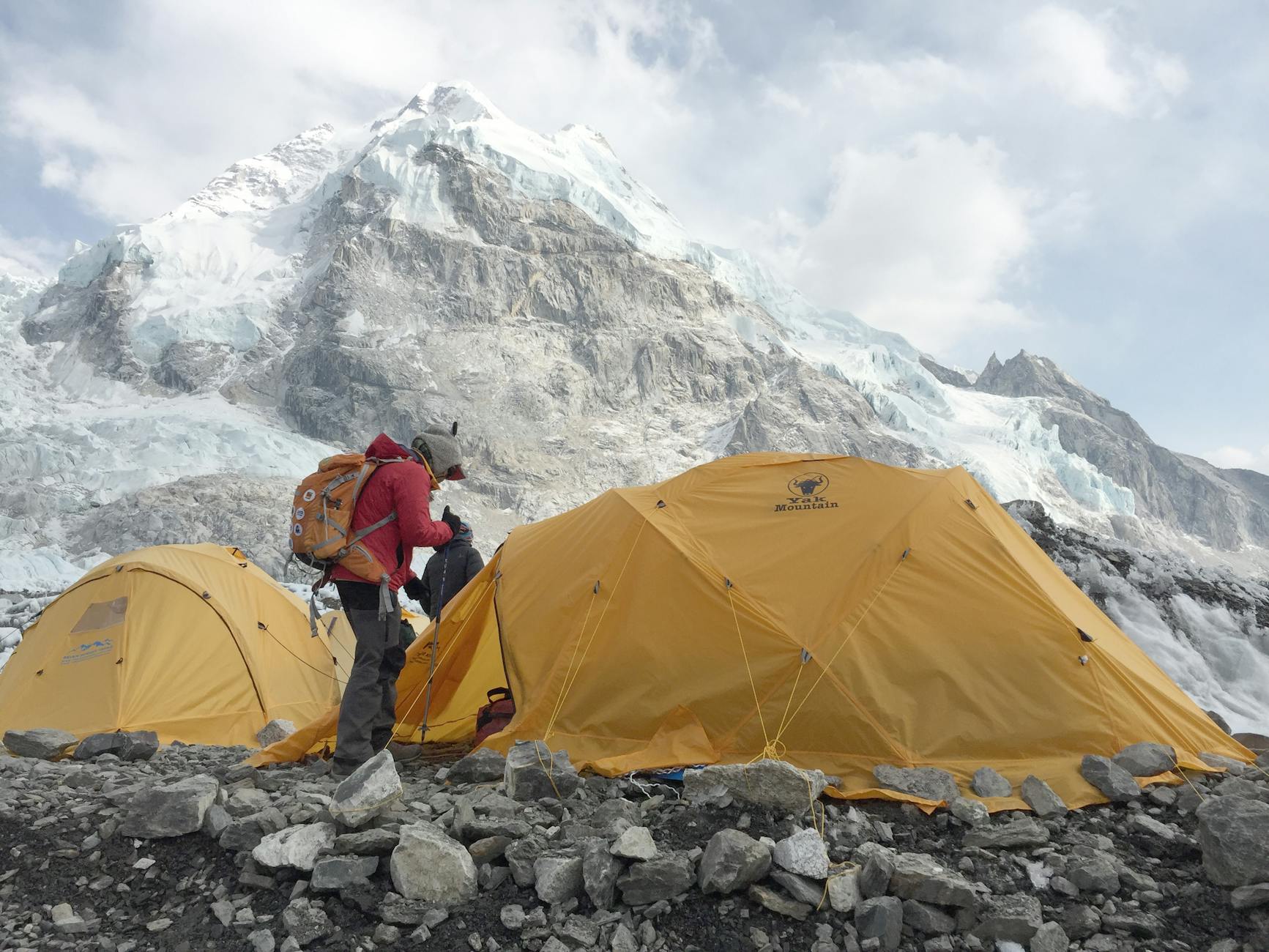
The trail to Everest Base Camp — 14 days through the heart of the Khumbu region, surrounded by the highest peaks on Earth.
I remember the exact moment I knew the Everest Base Camp trek was worth every ounce of struggle. Day 10, standing at Kala Patthar (18,514 feet), watching the sun rise over Everest’s summit pyramid while Nuptse’s massive wall glowed gold beside it. My head was pounding from the altitude. My fingers were numb. I hadn’t slept more than four hours in three days. And I was grinning like an idiot because I’d never seen anything so overwhelmingly beautiful. If you’re searching for a comprehensive everest base camp trek guide, I spent two weeks learning exactly what works, what doesn’t, and what nobody tells you about this legendary trek.
The Everest Base Camp (EBC) trek is arguably the world’s most famous long-distance trek — a 14-day journey through Nepal’s Khumbu region to the foot of the tallest mountain on Earth at 17,598 feet (5,364 m). You don’t need mountaineering experience. You don’t need ropes or crampons. But you do need preparation, patience with altitude, and a willingness to push through discomfort.
This isn’t a casual walk. It’s a life-changing journey through Sherpa villages, ancient monasteries, suspension bridges over roaring glacial rivers, and landscapes so dramatic they feel computer-generated. Let me help you plan it properly.
Key Takeaways
- Duration: 12-14 days for the standard route (Lukla to EBC and back). Allow 2-3 buffer days for weather/flights.
- Maximum altitude: 18,514 feet (Kala Patthar viewpoint) — higher than any point in the continental US.
- No technical climbing required. It’s a trekking path the entire way — steep and rocky, but walkable.
- Altitude sickness is the #1 risk. Follow acclimatization schedules religiously. Never ascend more than 1,000 feet per sleeping altitude per day above 10,000 feet.
- Total cost: $1,500-$4,000 depending on guide vs. solo, teahouse budget vs. comfort, and flights.
- Best seasons: March-May and September-November. Avoid monsoon (June-August) and deep winter.
- You stay in teahouses (mountain lodges) every night — no tent camping required.
- Lukla flights are unreliable. Build buffer days into your schedule for weather cancellations.
Quick Facts
| Detail | Info |
|---|---|
| Country | Nepal (Sagarmatha National Park, Khumbu Region) |
| Trek distance | ~130 km (80 miles) round trip |
| Duration | 12-14 days (standard); 10-11 days (fast but risky) |
| Highest point | Kala Patthar: 18,514 ft (5,644 m) |
| EBC elevation | 17,598 ft (5,364 m) |
| Starting point | Lukla: 9,383 ft (2,860 m) |
| Permits required | TIMS card + Sagarmatha National Park entry (~$60 total) |
| Accommodation | Teahouses (basic mountain lodges) |
| Best months | March-May (spring) and October-November (autumn) |
| Difficulty | Moderate-Strenuous (altitude is the main challenge, not terrain) |
| Success rate | ~85% reach EBC (15% turn back due to altitude sickness) |
| Nearest city | Kathmandu (30-min flight to Lukla) |
The Classic 14-Day Itinerary
Here’s the standard itinerary that most trekking companies follow. It’s designed around safe acclimatization — the rest days aren’t optional luxury; they’re medically necessary.
| Day | Route | Elevation | Hours | Notes |
|---|---|---|---|---|
| 1 | Kathmandu → Lukla → Phakding | 9,383 → 8,700 ft | 3-4 hrs | Flight + easy walk down |
| 2 | Phakding → Namche Bazaar | 8,700 → 11,286 ft | 5-6 hrs | Steep climb, first big effort |
| 3 | Acclimatization day in Namche | 11,286 ft (hike to 12,000+) | Half day | Hike high, sleep low |
| 4 | Namche → Tengboche | 11,286 → 12,664 ft | 5-6 hrs | Tengboche Monastery |
| 5 | Tengboche → Dingboche | 12,664 → 14,469 ft | 5-6 hrs | Above tree line now |
| 6 | Acclimatization day in Dingboche | 14,469 ft (hike to 15,500+) | Half day | Hike to Nagarjun Hill |
| 7 | Dingboche → Lobuche | 14,469 → 16,210 ft | 4-5 hrs | Memorial cairns area |
| 8 | Lobuche → Gorak Shep | 16,210 → 16,942 ft | 3-4 hrs | Short but exhausting at altitude |
| 9 | Gorak Shep → EBC → Gorak Shep | 16,942 → 17,598 → 16,942 ft | 6-7 hrs | BASE CAMP DAY |
| 10 | Gorak Shep → Kala Patthar → Pheriche | 16,942 → 18,514 → 13,911 ft | 7-8 hrs | Sunrise viewpoint + long descent |
| 11 | Pheriche → Namche Bazaar | 13,911 → 11,286 ft | 6-7 hrs | Big descent day |
| 12 | Namche → Lukla | 11,286 → 9,383 ft | 6-7 hrs | Final trail day |
| 13 | Lukla → Kathmandu | – | Flight | Buffer day for weather |
| 14 | Buffer day | – | – | Insurance against Lukla delays |
Altitude Acclimatization: The Most Important Section
Altitude sickness (Acute Mountain Sickness / AMS) is the reason 15% of EBC trekkers don’t make it. It’s also almost entirely preventable if you follow the rules. Here’s what you need to know:
How Altitude Affects Your Body
Above 8,000 feet, the air contains less oxygen per breath. Your body needs time to produce more red blood cells and adjust its breathing rate. If you climb too fast, fluid can accumulate in your brain (HACE) or lungs (HAPE) — both are medical emergencies that can be fatal.
The Golden Rules
- Climb high, sleep low. On acclimatization days, hike 1,000-2,000 feet above your sleeping elevation, then descend back to sleep.
- Never increase sleeping altitude by more than 1,000 feet per day above 10,000 feet.
- If you feel symptoms, STOP ascending. Headache, nausea, dizziness, and loss of appetite are warning signs.
- If symptoms worsen, DESCEND immediately. Even 1,000 feet of descent can be life-saving.
- Hydrate aggressively. Drink 3-4 liters per day minimum. Dehydration mimics and worsens AMS.
- Never take sleeping pills at altitude — they suppress breathing.
AMS Symptoms to Watch For
| Severity | Symptoms | Action |
|---|---|---|
| Mild | Headache, loss of appetite, mild nausea, poor sleep | Stay at current altitude until symptoms resolve. Hydrate. |
| Moderate | Severe headache, vomiting, extreme fatigue, dizziness, coordination issues | Do NOT ascend. Consider descent. Take Diamox if carrying. |
| Severe (HACE/HAPE) | Confusion, inability to walk straight, persistent cough, breathlessness at rest, blue lips | EMERGENCY. Descend immediately. Administer oxygen/Gamow bag. Evacuate. |
Diamox (Acetazolamide)
Many trekkers carry Diamox as a preventative. It works by stimulating deeper breathing, which increases oxygen uptake. Common protocol: 125-250mg twice daily starting 24 hours before ascending above 10,000 feet.
Important: Diamox is a sulfa drug — don’t take it if you’re allergic to sulfa antibiotics. Side effects include tingling in fingers/toes and frequent urination (which aids hydration). Consult your doctor before the trek.
Costs Breakdown: How Much Does EBC Trek Cost?
| Category | Budget | Mid-Range | Comfortable |
|---|---|---|---|
| Kathmandu-Lukla flights | $180-200 | $180-200 | $350+ (helicopter) |
| Permits (TIMS + NP) | $50-60 | $50-60 | $50-60 |
| Guide | $0 (solo) | $25-35/day | $40-50/day |
| Porter | $0 (carry own) | $20-25/day | $20-25/day |
| Teahouse lodging | $3-8/night | $5-15/night | $15-40/night |
| Food on trek | $20-30/day | $30-40/day | $40-50/day |
| Gear (if buying new) | $200-400 | $400-800 | $800+ |
| Travel insurance | $50-100 | $100-150 | $150+ |
| Tips (guide + porter) | $0 | $100-200 | $200-300 |
| TOTAL (14 days) | $1,200-1,800 | $2,000-3,000 | $3,500-5,000+ |
Guide vs. Solo: Which Should You Choose?
| Factor | With Guide | Solo |
|---|---|---|
| Cost | +$25-50/day | Cheapest option |
| Navigation | Handled for you | Trail is well-marked; manageable |
| Safety | Someone monitoring your health | You’re responsible for yourself |
| Flexibility | Less — follows itinerary | Complete freedom |
| Cultural experience | Richer — guide provides context | You figure it out yourself |
| Language barriers | Guide translates | English widely spoken on EBC route |
| Permits/logistics | Handled for you | Self-arranged (easy) |
| Recommended for | First-time high-altitude trekkers | Experienced trekkers comfortable with altitude |
However: The EBC trail is well-established, well-marked, and English is spoken at every teahouse. Experienced trekkers who’ve been above 14,000 feet before can absolutely do this solo. You’ll never be truly alone — hundreds of trekkers walk the same path daily in season.
Fitness Requirements
Let me be honest: EBC is not a technical trek, but it IS a physically demanding one. The combination of 80 miles of walking, steep terrain, and altitude makes it strenuous even for fit people.
Minimum Fitness Level
- Ability to hike 6-8 hours per day for 12+ consecutive days
- Comfortable carrying 15-20 lbs (daypack with water, layers, camera)
- Can climb 2,000-3,000 feet of elevation gain in a single day
- Able to handle rocky, uneven terrain (lots of stone steps)
- General cardiovascular fitness (running, cycling, swimming base)
Training Plan (3-4 Months Before)
| Weeks Out | Training Focus |
|---|---|
| 12-16 weeks | Build aerobic base: 3-4x cardio per week, 30-60 min (running, cycling, swimming) |
| 8-12 weeks | Add hikes with pack: Weekend hikes of 6-10 miles with 15-20 lb pack, focus on elevation gain |
| 4-8 weeks | Increase intensity: Back-to-back long hike days, stair climbing with pack, 2,000+ ft gain days |
| 2-4 weeks | Taper: Maintain fitness without exhausting yourself, focus on flexibility and rest |
Teahouse Lodges: What to Expect
Forget luxury hotels. Teahouses are basic mountain lodges run by Sherpa families. Here’s the reality:
What You Get
- Private room with two single beds (thin mattresses, sleeping bag needed)
- Communal dining room with a wood or yak-dung stove (the warmest room — everyone gathers here)
- Basic toilet (squat toilets at higher elevations, some Western-style lower down)
- No heating in rooms above Namche (temperatures inside can drop below freezing)
- Charging stations ($2-5 per device) — bring a power bank
- WiFi available at many teahouses ($3-5/day) — speeds decrease with altitude
- Hot showers available below Dingboche ($3-5) — above Dingboche, embrace the cold
Teahouse Etiquette
- Order dinner and breakfast at the teahouse where you sleep (this is expected — your room is cheap because they make money on food)
- Remove boots before entering dining rooms
- Don’t monopolize the stove area during dinner — share the warmth
- Be patient with food service — everything is cooked fresh at altitude with limited fuel
- Bring earplugs — walls are thin and coughing is epidemic at altitude
What to Pack for EBC
Clothing Essentials
| Item | Notes |
|---|---|
| Base layers (2) | Merino wool or synthetic — avoid cotton entirely |
| Insulation layer | Down or synthetic puffy jacket (worn daily above Dingboche) |
| Hard shell jacket | Waterproof/windproof — essential for pass crossings |
| Trekking pants (2 pairs) | Quick-dry synthetic — zip-off style works well |
| Warm hat + sun hat | Fleece beanie for morning/evening, brimmed hat for midday sun |
| Gloves (2 pairs) | Thin liners + insulated gloves (cold mornings and Kala Patthar) |
| Warm sleeping layers | Thermals for sleeping — teahouses are freezing at night |
| Neck gaiter/buff | Blocks wind and dust on the trail |
Gear Essentials
| Item | Notes |
|---|---|
| Sleeping bag | Rated to -10°C (14°F) minimum — rental available in Kathmandu if needed |
| Trekking poles | Essential for the descent — saves your knees dramatically |
| Headlamp | For early morning Kala Patthar start and nighttime bathroom trips |
| Water purification | SteriPEN, tablets, or filter — buy bottled water below Namche, purify above |
| Power bank | 20,000mAh minimum — charging is expensive and unreliable above Tengboche |
| Daypack (25-35L) | Carries your daily essentials if a porter carries your main bag |
| Sunglasses (Category 4) | UV protection at altitude is critical — snow blindness is real |
| Sunscreen SPF 50+ | Reapply every 2 hours — UV is brutal above 12,000 feet |
A Quick Reflection
On the morning of Day 3, during the acclimatization day in Namche Bazaar, I hiked up to the Everest View Hotel viewpoint. The trail climbed steeply through rhododendron forest, and I was huffing at the altitude (only 12,000 feet, but I’d come from sea level two days prior). I rounded a corner, and there it was — Everest.
Not dramatic. Not overwhelming. Just a dark pyramid peeking above the Lhotse-Nuptse ridge, barely distinguishable from its neighbors except for the telltale plume of snow blowing from its summit. The highest point on Earth, and from 20 miles away, it looked almost modest.
But something shifted in my chest. That mountain — that specific triangle of rock and ice — had occupied human imagination for a century. People had died trying to stand on its summit. And here I was, about to spend ten more days walking toward it through some of the most spectacular mountain terrain on the planet.
The EBC trek isn’t really about reaching base camp. It’s about the eleven days it takes to get there — the suspension bridges trembling under yak trains, the prayer wheels spinning in monastery courtyards, the Sherpa families welcoming you into warm dining rooms with dal bhat and chai, and the mountains growing larger and more impossible with every passing day. Base camp itself is just a rocky glacier — the journey is everything.
Frequently Asked Questions
Planning the trek? Check current permit and route info via the official Nepal Tourism Board before you book.
Final Thoughts
The Everest Base Camp trek will test your physical limits, challenge your relationship with discomfort, and reward you with landscapes so dramatic they’ll ruin you for ordinary scenery forever. It’s not the hardest trek in the world (Annapurna Circuit, K2 Base Camp, and countless others are more difficult), but it might be the most iconic — and for good reason.
Start training 3-4 months before your departure. Book flights to Lukla early in peak season. Take acclimatization seriously (it’s not a race — the mountain isn’t going anywhere). And when you finally stand at 17,598 feet, surrounded by the Khumbu Icefall and the highest peaks on Earth, know that you’ve walked a path that joins you to more than a century of Himalayan exploration.
The Sherpa people have a saying: “The mountains will always be there; the challenge is to make sure you are too.” Take it slow. Drink your water. Enjoy the journey.
Planning your EBC trek? Use our Trip Planner to organize your itinerary, track permit requirements, and build your packing list.
Related Reading:
- Peru Inca Trail to Machu Picchu Guide — Another bucket-list trek
- Best Hiking Backpacks for 2026 — Find the right pack for 14 days
- Best Trekking Poles for Hiking — Essential for EBC descents
- Patagonia First-Timer Travel Guide — More world-class international trekking
✈️ Planning your trip?
Compare cheap flights, hotels and car rentals for your adventure.
Find Cheap Flights →Compare Hotels →🌍 Plan & Book Your Trip
Compare the best deals for this destination — flights, hotels, tours and more:
Affiliate links — we may earn a commission at no extra cost to you.