10 Best Spring Wildflower Hikes in the USA

10 Best Spring Wildflower Hikes in the USA
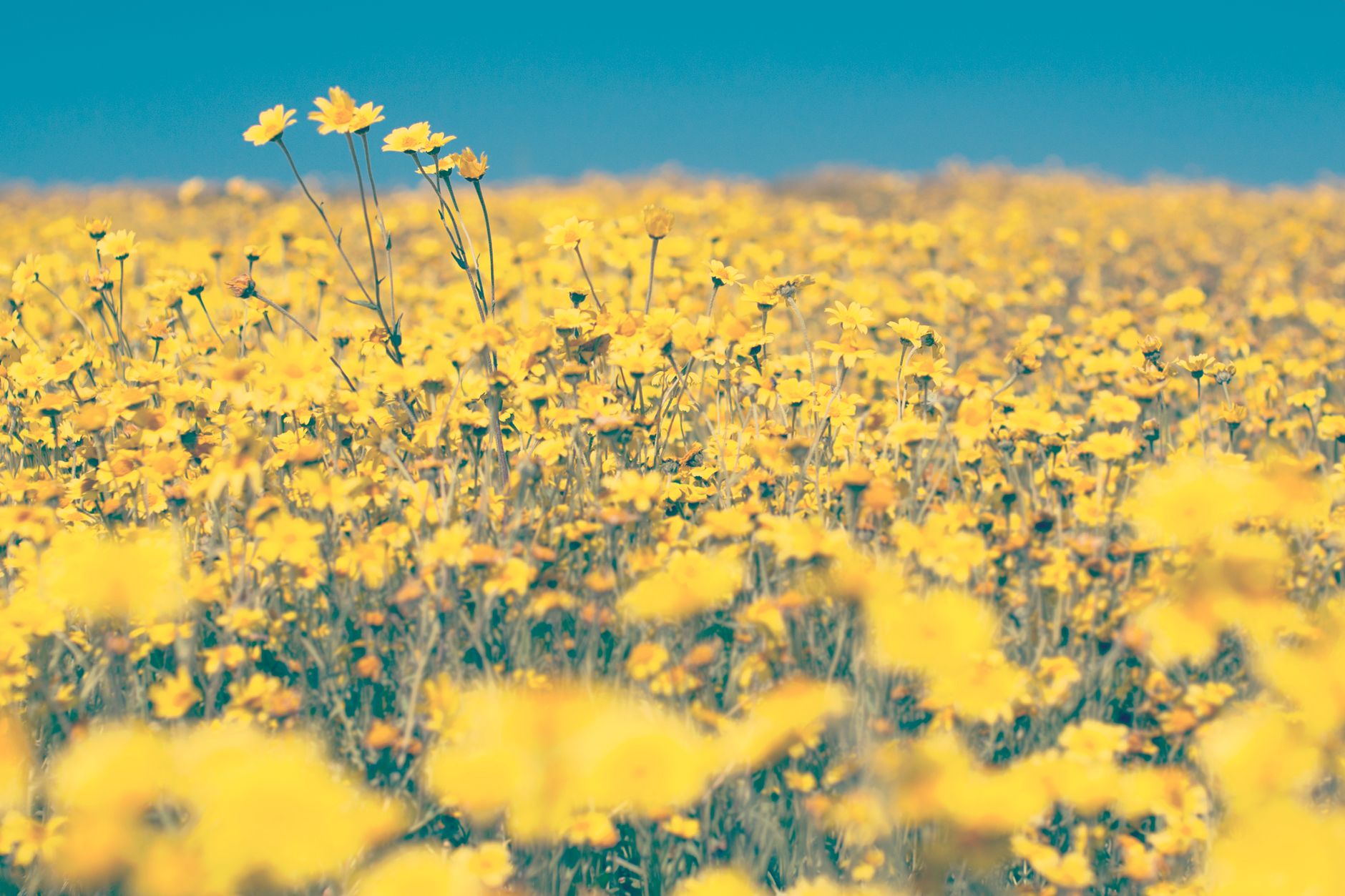
Photo by Tim Mossholder on Pexels

10 Best Spring Wildflower Hikes in the USA (With Peak-Bloom Timing)

🌍 Plan & Book Your Trip

Compare the best deals for this destination — flights, hotels, tours and more:

Affiliate links — we may earn a commission at no extra cost to you.

When the bloom hits, an ordinary meadow turns into something out of a dream.

There’s a narrow window each year — sometimes just a week or two — when a hillside, a desert, or a mountain meadow erupts into so much color it stops you in your tracks. Catch it right and it’s one of the most magical things you’ll ever see on a trail. That’s the whole game with the best wildflower hikes: knowing where to go and timing it to the bloom, because miss the window and you’re looking at a brown field where a miracle was the week before.

This guide covers ten of the country’s most spectacular wildflower hikes, from desert superblooms that paint California’s valleys orange and purple, to the famous spring ephemerals of the Great Smoky Mountains, to Texas Hill Country bluebonnets, the Columbia River Gorge’s balsamroot, and the legendary alpine meadows of Mount Rainier. Crucially, I’ve included rough peak-bloom timing for each — though I’ll keep reminding you that blooms shift year to year with the weather, so a quick check of current bloom reports before you go is non-negotiable.

Spring is short and the flowers don’t wait. Here’s where to chase them, and roughly when.

Key Takeaways

  • Timing beats location. A great wildflower hike at the wrong time is just a walk; check current bloom reports before you go.
  • Desert superblooms (Southern California) are the most dramatic but the least predictable — they need the right winter rains.
  • The Smokies have the richest spring-ephemeral wildflower display in the East, peaking mid-spring.
  • Texas bluebonnets peak in March–April; the alpine meadows of Rainier and the Rockies peak in mid-to-late summer.
  • Tread lightly. Stay on trails, never trample or pick flowers, and follow superbloom rules to protect fragile blooms.

Quick Facts

DetailInfo
Most dramaticSouthern California desert superblooms
Richest variety (East)Great Smoky Mountains
Best bluebonnetsTexas Hill Country
Best alpine meadowsMount Rainier, Crested Butte
General peak windowsDeserts: Feb–Apr; Smokies/Texas: Mar–Apr; Alpine: Jul–Aug
Golden ruleStay on trail; never pick or trample
Essential stepCheck current bloom reports before you go

The Full Comparison Table

#Hike / AreaStateStar BloomsRough Peak
1Great Smoky MountainsTN/NCTrillium, ephemeralsApr–early May
2Antelope Valley Poppy ReserveCACalifornia poppiesMar–Apr
3Carrizo PlainCASuperbloom (multi)Mar–Apr
4Anza-Borrego DesertCADesert wildflowersFeb–Mar
5Texas Hill CountryTXBluebonnetsMar–Apr
6Columbia River Gorge (Dog Mtn)OR/WABalsamroot, lupineMay
7Mount Rainier (Paradise)WALupine, paintbrushlate Jul–Aug
8Crested ButteCOAlpine wildflowersJul
9Shenandoah National ParkVASpring ephemerals, azaleaApr–May
10Mount Diablo / SF Bay hillsCAPoppies, lupineMar–Apr

The 10 Best Wildflower Hikes, In Detail

1. Great Smoky Mountains — Wildflower National Park

DetailInfo
Star bloomsTrillium, lady’s slipper, phacelia, ephemerals
WherePorters Creek, Chestnut Top, Cove Hardwood
Rough peakApril to early May
The Smokies are nicknamed the “Wildflower National Park” for good reason — more than 1,500 flowering plant species bloom here, and spring brings a famous explosion of ephemerals that carpet the forest floor before the trees leaf out. Trails like Porters Creek and Chestnut Top are legendary.

Why it makes the list: It’s the richest, most diverse spring wildflower display in the eastern US, and the park even holds a Spring Wildflower Pilgrimage event. See our Great Smoky Mountains guide.

Tip: Peak shifts with elevation and weather — lower trails bloom first. Go on a weekday and check the park’s wildflower reports.

2. Antelope Valley Poppy Reserve — California’s Orange Sea

DetailInfo
Star bloomsCalifornia poppies
WhereAntelope Valley California Poppy Reserve
Rough peakmid-March to mid-April
In a good year, the hills of the Antelope Valley north of Los Angeles turn into a rolling ocean of orange as California poppies bloom by the millions. Easy interpretive trails wind through the reserve, letting you walk among the color (without trampling it).

Why it makes the list: When it pops, it’s one of the most photogenic blooms in the country — entire hillsides glowing orange.

Tip: It’s highly weather-dependent; some years barely bloom. Check the reserve’s bloom status, go midweek, and stay on the trails — trampling kills the display and is heavily enforced.

3. Carrizo Plain — The Superbloom Epicenter

DetailInfo
Star bloomsSuperbloom — daisies, phacelia, fiddleneck
WhereCarrizo Plain National Monument
Rough peakMarch to April (in superbloom years)
When the conditions align, Carrizo Plain produces the most jaw-dropping superblooms in California — entire valley floors and the Temblor Range painted in sweeping bands of yellow, orange, and purple visible from space. It’s remote, vast, and unforgettable in a big bloom year.

Why it makes the list: In a true superbloom, it’s arguably the most spectacular wildflower scene in North America.

Tip: It’s remote with few services — bring fuel, water, and food. Superblooms are rare and unpredictable; only go when reports confirm it. Stay on roads/trails to protect the bloom.

4. Anza-Borrego Desert — Early Desert Color

DetailInfo
Star bloomsDesert lilies, verbena, primrose, cactus flowers
WhereAnza-Borrego Desert State Park
Rough peakFebruary to March
California’s largest state park, Anza-Borrego is one of the first places to bloom each year, often in February. After wet winters, the desert floor and washes fill with wildflowers, and the ocotillo and cactus burst into color against a stark desert backdrop.

Why it makes the list: It’s the earliest reliable desert bloom and a gorgeous, less-crowded alternative to the famous superbloom spots.

Tip: The park has a wildflower hotline and bloom updates — use them. Hike early; desert heat builds fast even in spring. Carry plenty of water.

5. Texas Hill Country — Bluebonnet Country

DetailInfo
Star bloomsBluebonnets, Indian paintbrush
WhereHill Country (Ennis, Llano, Willow City Loop, state parks)
Rough peakmid-March to mid-April
Texas takes its state flower seriously, and in spring the Hill Country erupts in blue as bluebonnets carpet fields, roadsides, and state parks, often mixed with red Indian paintbrush. Trails in parks like Enchanted Rock and along the Willow City Loop put you right in the color.

Why it makes the list: It’s an iconic, beloved American bloom — those blue fields under live oaks are pure spring.

Tip: Peak is short and crowds love a good bluebonnet photo. Be careful where you pull over, watch for snakes in the flowers, and never trample fields for a picture.

6. Columbia River Gorge — Dog Mountain’s Balsamroot

DetailInfo
Star bloomsBalsamroot, lupine
WhereDog Mountain, Columbia River Gorge
Rough peakMay
In May, the steep slopes of Dog Mountain in the Columbia River Gorge blaze with golden balsamroot and purple lupine, set against sweeping views of the river far below. It’s a strenuous climb, but the flower-covered upper meadows are a famous reward.

Why it makes the list: It’s the Pacific Northwest’s signature spring wildflower hike, combining big blooms with a dramatic gorge backdrop.

Tip: It’s so popular that a permit is required on peak weekends — check current rules. The climb is steep; bring water. Pair with our best hikes near Portland.

7. Mount Rainier (Paradise) — Alpine Meadow Magic

DetailInfo
Star bloomsLupine, paintbrush, avalanche lily
WhereParadise (Skyline Trail), Sunrise
Rough peaklate July to August
This is the late-bloomer of the list — and one of the best. When Rainier’s subalpine meadows at Paradise melt out in mid-to-late summer, they explode with lupine, paintbrush, and lilies beneath the glaciated giant. The Skyline Trail through the flowers is one of the most beautiful hikes in the country.

Why it makes the list: It’s the gold standard for alpine wildflowers — an entire mountainside of color under a 14,000-foot volcano. See our Mount Rainier guide.

Tip: “Spring” comes late at altitude — peak is usually late July/August. Snow lingers; check conditions. Stay on trails to protect the fragile meadows.

8. Crested Butte — Colorado’s Wildflower Capital

DetailInfo
Star bloomsMules ears, columbine, lupine, larkspur
WhereCrested Butte (Oh-Be-Joyful, Snodgrass)
Rough peakJuly
Officially dubbed the “Wildflower Capital of Colorado,” Crested Butte’s alpine basins fill with a riot of color in July, celebrated each year with a wildflower festival. Trails like Oh-Be-Joyful and Snodgrass Mountain wind through meadows packed with blooms beneath dramatic peaks.

Why it makes the list: It’s the Rockies’ premier wildflower destination — dense, diverse, and set in classic Colorado high country.

Tip: July is peak; the festival draws crowds, so book lodging early. You’re at high altitude — pace yourself and watch for afternoon storms.

9. Shenandoah National Park — Blue Ridge Blooms

DetailInfo
Star bloomsTrillium, bluets, pink azalea, ephemerals
WhereStony Man, Old Rag area, Skyline Drive trails
Rough peakApril to May
Just a couple hours from Washington, DC, Shenandoah greets spring with a steady parade of blooms — early ephemerals on the forest floor giving way to flowering pink azalea and mountain laurel along the ridges. Trails off Skyline Drive make it easy to find the color.

Why it makes the list: It’s the most accessible major spring wildflower park in the mid-Atlantic, with an ever-changing display through April and May. See our Shenandoah guide.

Tip: Different species peak at different times — early April for ephemerals, May for azalea and laurel. Drive Skyline Drive and stop at trailheads as you go.

10. Mount Diablo & the SF Bay Hills — Bay Area Color

DetailInfo
Star bloomsPoppies, lupine, goldfields, shooting stars
WhereMount Diablo State Park, Bay Area hills
Rough peakMarch to April
After winter rains, the rolling hills around the Bay Area turn brilliant green and then fill with poppies, lupine, and a mix of natives. Mount Diablo’s trails are a local favorite, with wildflower-dotted slopes and clear-day views stretching across Northern California.

Why it makes the list: It’s the best accessible spring bloom near a major West Coast city, with easy-to-moderate trails and great variety.

Tip: Go after a wet winter for the best show, and aim for the cooler morning hours. Pair with our best hikes near San Francisco.

How to Choose Your Wildflower Hike

If You Want…Go ToWhen
The most dramatic bloomCarrizo Plain / Antelope ValleyMar–Apr (superbloom years)
The richest varietyGreat Smoky MountainsApr–early May
Iconic blue fieldsTexas Hill CountryMar–Apr
Alpine meadow magicMount Rainier / Crested ButteJul–Aug
An easy city escapeMount Diablo / ShenandoahMar–May
The earliest bloomAnza-BorregoFeb–Mar

Wildflower Hiking Tips & Etiquette

  • Check current bloom reports first. Timing is everything and shifts every year — call park hotlines or read recent trail updates.
  • Stay on the trail. Trampling kills flowers and ruins the display for everyone; superbloom sites strictly enforce this.
  • Never pick the flowers. Leave them for the next hiker (and the pollinators). It’s illegal in parks.
  • Go early and on weekdays. Popular blooms draw big crowds; mornings have the best light and fewest people.
  • Don’t park on the flowers. At roadside blooms, find legal pullouts and watch where you step.
  • Watch for snakes and bees hidden in the blooms, especially in the desert and Texas.
See our best beginner hikes in the USA and best sunrise hikes in the USA for more spring-friendly trails.

A Quick Reflection

I’d driven four hours to Carrizo Plain on a tip that the superbloom was “about to pop,” fully aware I might be a week early and staring at a field of green nothing. I crested the last hill at dawn, half-expecting disappointment.

Instead, the whole valley below me was on fire with color — sheets of yellow daisies running into purple phacelia, the distant Temblor Range streaked with bands of orange like someone had taken a paintbrush to the mountains. I pulled over, got out, and just stood in the cold morning air with my mouth open. There was no sound except wind and a meadowlark somewhere in the flowers. I had it almost entirely to myself.

I learned later that the bloom faded within ten days. If I’d come the week after, I’d have missed it completely. That’s the thing about wildflowers — they don’t owe you anything, and they don’t wait. You check the reports, you make the drive on faith, and sometimes you get skunked. But when you time it right, you witness something that was there for only a moment, and is already gone. Worth every gamble.

Frequently Asked Questions

When is the best time to see wildflowers in the USA? It depends on the location and elevation. Southern California deserts bloom earliest (February–April), the Great Smoky Mountains and Texas bluebonnets peak in March–April, the Columbia Gorge peaks in May, and high alpine meadows like Mount Rainier and Crested Butte peak in mid-to-late summer (July–August). Always check current bloom reports, since timing shifts each year with the weather.

What is a superbloom and where can I see one? A superbloom is a rare event when an unusually high number of wildflowers bloom at once, usually in deserts after a wet winter. The best places to see one are in Southern California — Carrizo Plain, Antelope Valley, and Anza-Borrego. Superblooms are unpredictable and don’t happen every year, so go only when reports confirm one.

Can you pick wildflowers on a hike? No. Picking wildflowers is illegal in national and state parks and harmful everywhere — it prevents the plants from reseeding and deprives pollinators and other hikers. Always leave flowers where they grow, stay on the trail to avoid trampling them, and take only photos.

Where are the best wildflower hikes for beginners? The Antelope Valley Poppy Reserve, Texas Hill Country state parks, Shenandoah’s Skyline Drive trails, and Bay Area hills like Mount Diablo all offer easy-to-moderate trails with spectacular blooms. They put you right in the color without requiring a strenuous climb, making them ideal for new or casual hikers.

Bloom timing changes yearly with the weather — always confirm current conditions with the relevant park or National Park Service site before you go.

Final Thoughts

Wildflower hiking is a beautiful gamble. The reward — a desert valley ablaze with color, a forest floor of trillium, a mountain meadow under a glaciered peak — is one of nature’s most fleeting and spectacular shows. The catch is that you have to time it, and the flowers set the schedule, not you.

Pick a bloom that fits your spring travel window, watch the bloom reports like a hawk, stay on the trail to protect what you came to see, and be ready to move fast when it pops. Get it right and you’ll witness something that lasts only days — which is exactly what makes it unforgettable.

Planning a spring hiking trip? Use our Trip Planner to map wildflower destinations, track peak-bloom windows, and build a flexible spring itinerary.

Related Reading:

✈️ Planning your trip?

Compare cheap flights, hotels and car rentals for your adventure.

Find Cheap Flights →Compare Hotels →

🌍 Plan & Book Your Trip

Compare the best deals for this destination — flights, hotels, tours and more:

Affiliate links — we may earn a commission at no extra cost to you.

Leave a Comment

Your email address will not be published. Required fields are marked *

Scroll to Top