Joshua Tree National Park: First-Timer’s Guide (2026)

Joshua Tree National Park: First-Timer's Guide (2026)
Photo by Tom Fournier on Pexels

Joshua Tree National Park: First-Timer’s Guide

🌍 Plan & Book Your Trip

Compare the best deals for this destination β€” flights, hotels, tours and more:

Affiliate links β€” we may earn a commission at no extra cost to you.

The Milky Way over Joshua Tree β€” one of the best dark sky parks in California.

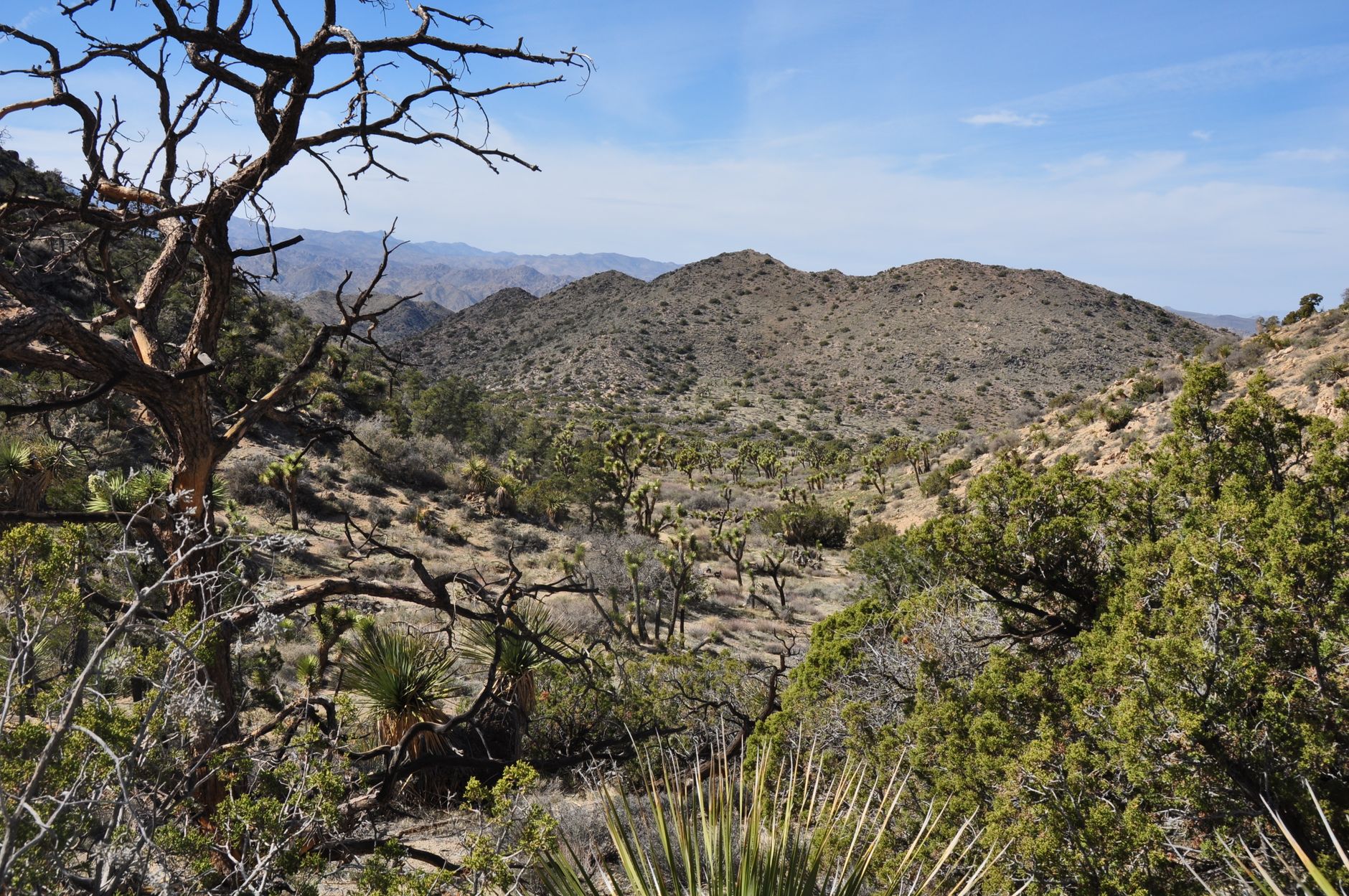
There’s something almost alien about Joshua Tree. The first time I drove through the west entrance, windows down, watching these twisted, spiky trees emerge from a landscape of massive boulder piles, I genuinely felt like I’d landed on another planet. If you’re looking for a solid joshua tree national park guide that covers the practical stuff without losing the magic β€” you’re in the right place.

Joshua Tree is where two deserts collide. The higher-elevation Mojave Desert (western half) hosts the park’s namesake Joshua trees and surreal boulder formations. The lower Colorado Desert (eastern half) is sparser, hotter, and full of ocotillo, cholla, and creosote. The transition between them β€” happening right before your eyes as you drive through the park β€” is one of the coolest geographical experiences you can have from a car.

This park is also uniquely accessible: it’s a 2-hour drive from Los Angeles, making it one of the few national parks you can realistically day-trip from a major city. But trust me β€” staying overnight unlocks the real magic (more on that below).

Key Takeaways

  • Two deserts in one park: Mojave (west, higher, Joshua trees) and Colorado (east, lower, sparse desert).
  • Best seasons are spring and fall. Summer can exceed 110Β°F β€” most visitors avoid it entirely.
  • Stargazing is world-class. Joshua Tree is an International Dark Sky Park with almost zero light pollution.
  • Rock scrambling is the signature activity. The boulder formations are a massive playground.
  • Day trip from LA is possible (2 hours from Palm Springs, 2.5 from LA) but overnight is better.
  • No water in the park. Bring everything you need β€” there are no water sources.
  • Sunrises and sunsets are extraordinary with the silhouetted trees and boulders.

Quick Facts

DetailInfo
LocationSouthern California (San Bernardino + Riverside Counties)
Park size795,156 acres (1,242 square miles)
Established1994 (national monument since 1936)
Annual visitors~3.3 million
Entrance fee$30/vehicle (7-day pass) or America the Beautiful Pass
Best monthsOctober–April (avoid May–September heat)
Elevation range536–5,814 feet
DesertsMojave (west) + Colorado (east)
Dark Sky statusInternational Dark Sky Park
Nearest cityPalm Springs (30 min from south entrance)
From LA~2.5 hours to west entrance

Understanding Joshua Tree’s Layout

Joshua Tree is roughly shaped like a wide rectangle, running east to west. There are three entrances:

  • West Entrance (Joshua Tree town) β€” most popular, closest to main attractions
  • North Entrance (Twentynine Palms) β€” good for Oasis Visitor Center, less crowded
  • South Entrance (Cottonwood) β€” Colorado Desert side, least visited
The park road (Park Boulevard) connects the West and North entrances through the Mojave Desert section, passing most of the iconic formations and trailheads. The south section is accessed via a separate road from I-10.
AreaHighlightsDesert Type
Hidden Valley areaRock formations, scrambling, short hikesMojave
Jumbo RocksMassive boulder piles, campingMojave
Keys View360Β° viewpoint (can see Salton Sea + Mexico)Mojave
Cholla Cactus GardenDense cholla field, sunset spotTransition zone
Cottonwood SpringPalm oasis, birding, quieter trailsColorado
Skull Rock areaIconic skull-shaped boulderMojave
Driving times: West Entrance to South Entrance is about 45 minutes of continuous driving. Most visitors stay in the western/central Mojave section.

The Joshua Trees Themselves

Let’s talk about the star of the show. Joshua trees (Yucca brevifolia) aren’t actually trees β€” they’re giant yucca plants in the agave family. They grow only in the Mojave Desert at elevations between 2,000 and 6,000 feet, and their twisted, branching forms look like something Dr. Seuss would draw.

Fun facts:

  • They grow about 2-3 inches per year
  • Some specimens in the park are estimated at 150-300 years old
  • They’re pollinated exclusively by the yucca moth β€” without this moth, they can’t reproduce
  • Mormon settlers named them “Joshua trees” because the branches reminded them of Joshua raising his arms to pray
  • Climate change threatens their range β€” scientists predict significant habitat loss this century
The densest groves are in the park’s western half, particularly along Park Boulevard between the West Entrance and Ryan Campground. The Trees section near Hidden Valley has some of the most photogenic specimens with rock formation backgrounds.

Best Hikes in Joshua Tree

Joshua Tree’s hikes tend to be shorter than in mountain parks, but the desert environment makes them feel more intense. Always carry more water than you think you need (1 liter per hour of hiking in warm weather).

TrailDistanceDifficultyHighlight
Hidden Valley1 mi loopEasyBoulder-enclosed valley, historic cattle rustler hideout
Barker Dam1.3 mi loopEasyHistoric dam, desert bighorn sheep, petroglyphs
Skull Rock Nature Trail1.7 mi loopEasyIconic skull formation, geology walk
Cholla Cactus Garden0.25 mi loopEasyTeddy bear cholla field (don’t touch!)
Ryan Mountain3 mi RTModerateBest 360Β° summit views in the park
49 Palms Oasis3 mi RTModerateHidden desert palm oasis
Lost Horse Mine4 mi RTModerateHistoric gold mine ruins
Warren Peak6 mi RTStrenuousRemote summit, solitude
My favorites:

Ryan Mountain is the one hike I’d tell every first-timer to do. It’s a steady climb (1,000 feet of gain) to a summit with 360-degree views of the entire park β€” Joshua trees below, boulder formations in every direction, distant mountains, and on clear days, the Salton Sea. Budget 2-3 hours and go in the morning for cooler temps and best light.

Hidden Valley is magical at golden hour. The short loop passes through a boulder-enclosed valley that cattle rustlers used to hide stolen livestock in the 1800s. The light in late afternoon hits the boulders and turns everything warm gold.

Rock Scrambling: Joshua Tree’s Signature Activity

This is what makes Joshua Tree different from any other desert park. The Mojave section is filled with massive granite monzogranite boulders β€” piled high, balanced improbably, and absolutely begging to be climbed.

Rock scrambling isn’t formal hiking or rock climbing. It’s that middle ground β€” using your hands and feet to navigate boulder fields, squeeze through gaps, and scramble to viewpoints without ropes or gear. And in Joshua Tree, it’s everywhere.

Best spots for scrambling:

  • Jumbo Rocks area β€” massive boulder piles with caves, gaps, and natural viewpoints
  • Hidden Valley β€” enclosed boulders that are easy to climb around
  • Skull Rock β€” scramble up for views beyond the formation
  • Hall of Horrors β€” just past Jumbo Rocks, named for the bizarre boulder arrangements
  • Split Rock β€” a massive boulder split in half you can walk between
Safety notes: Wear grippy shoes (approach shoes or hiking boots β€” NOT flip-flops). Granite can be slippery when sandy. Don’t climb higher than you’re comfortable down-climbing. Watch for rattlesnakes in shaded crevices during warm months.

Rock climbing: Joshua Tree is one of the world’s premiere rock climbing destinations with 8,000+ established routes. If you’re curious but inexperienced, several guide services in Joshua Tree town offer half-day beginner courses.

Stargazing: Joshua Tree After Dark

Here’s the thing β€” Joshua Tree during the day is incredible. Joshua Tree at night is transcendent. The park holds International Dark Sky Park designation, meaning light pollution is actively managed and the night sky is extraordinary.

On a clear, moonless night, you can see the Milky Way stretching horizon to horizon, thousands of stars invisible from any city, and (depending on timing) meteor showers, planets, and even zodiacal light.

Best spots for stargazing:

  • Keys View β€” high elevation, paved parking, mountain backdrop
  • Jumbo Rocks β€” boulders frame the sky dramatically
  • Cottonwood Spring β€” darkest skies, fewest people
  • Any campsite β€” camping puts you in position without driving at night
Tips:
  • Check the moon phase before your trip. New moon = best stars.
  • Let your eyes adjust for 20-30 minutes (no phone screens).
  • Bring a red headlamp (preserves night vision).
  • Night Ranger Programs run periodically β€” check the park’s event calendar.
  • Late fall and winter have the longest dark skies and the Milky Way core rises at convenient hours.
I camped at Jumbo Rocks during a new moon in November and it was legitimately the best stargazing of my life. The Milky Way was so bright it cast shadows. I lay on a flat boulder with a sleeping pad and just stared upward for two hours.

A Quick Reflection

It was my second trip to Joshua Tree, and I’d already hit the big sights. So I did something I rarely do in national parks: nothing. I drove to a random pullout between Hidden Valley and Jumbo Rocks, grabbed my water bottle, and just started walking into the boulder field. No trail. No destination.

For an hour, I wound between boulders three times my height, squeezed through narrow gaps, found flat perches to sit on, and explored a landscape that felt completely mine. No other people. No trail markers. Just granite, Joshua trees, blue sky, and silence β€” the kind of thick, desert silence where you can hear your own heartbeat.

I found a natural seat in the shade of an overhanging rock and sat there for 20 minutes doing absolutely nothing. A lizard did pushups on a nearby boulder. A raven circled overhead. The desert smelled like sun-warmed stone and creosote.

That unplanned hour was the best part of the trip. Joshua Tree rewards wandering in a way that more “organized” parks don’t. There’s no wrong direction when every angle reveals another improbable boulder formation.

When to Visit Joshua Tree

SeasonTemps (approx.)ProsCons
Fall (Oct–Nov)60-85Β°F days, 40-60Β°F nightsPerfect hiking temps, clear skiesCrowds return after summer
Winter (Dec–Feb)50-65Β°F days, 30-40Β°F nightsSolitude, perfect scrambling weatherCold nights for camping, short days
Spring (Mar–Apr)70-85Β°F days, 45-60Β°F nightsWildflower bloom (some years), ideal weatherBusiest season, weekends crowded
Summer (May–Sep)100-115Β°F+ days, 75-85Β°F nightsVirtually emptyDangerously hot, minimal shade, heat illness risk
My recommendation: Late October or early November. The summer crowds are gone, temps are perfect for hiking and scrambling (65-80Β°F days), and the night sky is spectacular. Spring (March) is also excellent, especially if there’s a wildflower superbloom.

Summer warning: I’m going to be blunt β€” don’t hike in Joshua Tree in summer unless you’re extremely heat-adapted and experienced. There is NO shade on most trails, NO water anywhere in the park, and temps regularly exceed 110Β°F. People die from heat exposure in this park. The rocks absorb heat all day and radiate it back β€” even shade doesn’t help much by afternoon.

Day Trip from LA (Yes, It’s Possible)

Joshua Tree is one of the few national parks close enough to a major city for a legitimate day trip. Here’s how to make it work:

From LA: 2.5 hours to the West Entrance (via I-10 East) From Palm Springs: 30 minutes to the South Entrance, 45 min to West Entrance

Ideal day trip itinerary:

  • Leave LA by 6 AM (earlier in spring/fall for sunrise)
  • West Entrance β†’ Hidden Valley β†’ Skull Rock β†’ Keys View (morning)
  • Ryan Mountain hike or Barker Dam (midday)
  • Cholla Cactus Garden at golden hour (drive east)
  • Leave via South Entrance β†’ home via I-10
But honestly? Staying overnight makes Joshua Tree significantly better. The stargazing alone justifies it, and sunrise/sunset are the park’s most magical hours. If you can swing it, camp one night.

Where to Stay

Camping (Inside the Park)

Joshua Tree has 8 campgrounds. None have showers, and only two (Black Rock and Cottonwood) have water. Most have no hookups β€” this is desert camping at its most basic.

CampgroundSitesReservable?Best For
Jumbo Rocks124YesCentral location, boulder setting
Hidden Valley44First-comeIntimate, popular with climbers
Ryan31First-comeNear Ryan Mountain, quieter
Black Rock99YesHas water, flush toilets, horse trails
Cottonwood62YesHas water, near south entrance, quiet
Indian Cove101YesBeautiful setting, north edge
White Tank15First-comeSmall, secluded
Belle18First-comeSmall, central
Pro tip: First-come campgrounds fill by Thursday night on spring weekends. If you’re visiting Friday-Sunday in March or April, book a reservable site or plan to arrive Thursday.

Gateway Towns

  • Joshua Tree (town) β€” closest to West Entrance, quirky art scene, good restaurants
  • Twentynine Palms β€” near North Entrance, more lodging options, less character
  • Palm Springs β€” luxury/resort vibe, 30-45 minutes to the park, hot in summer
  • Yucca Valley β€” budget motels and Airbnbs, 10 minutes from West Entrance

Essential Packing for Joshua Tree

The desert will punish you if you’re unprepared. Here’s what’s non-negotiable:

  • Water β€” minimum 1 gallon per person per day, more if hiking
  • Sun protection β€” hat, sunscreen, sunglasses (there’s almost no shade)
  • Layers β€” desert temperatures can swing 40Β°F between day and night
  • Grippy shoes β€” for scrambling the boulders
  • Headlamp/flashlight β€” for stargazing and camp
  • Snacks/food β€” limited food options inside the park (none, actually)
  • Full gas tank β€” no gas stations in the park
  • Offline maps β€” cell service is patchy to nonexistent

Frequently Asked Questions

How many days do you need in Joshua Tree National Park?

One full day covers the greatest hits. Two days adds a summit hike, serious scrambling, and a night of stargazing. I’d recommend one overnight minimum β€” the park transforms after dark, and sunrise through the Joshua trees is worth waking up for.

Is Joshua Tree worth visiting in summer?

For most people, no. It’s dangerously hot (110Β°F+), there’s zero shade on trails, and no water anywhere in the park. If you’re in the area during summer, drive through and make stops only at viewpoints with your car running. Save real exploration for October through April.

Can you do Joshua Tree as a day trip from Los Angeles?

Absolutely β€” and thousands of people do it every weekend. Leave early, enter at the West Entrance, hit the highlights along Park Boulevard, and you’ll have a great day. But if you can camp or stay in Joshua Tree town for one night, the stargazing and golden hours make it twice the experience.

What’s the difference between the two deserts in Joshua Tree?

The Mojave (west) is higher, cooler, and home to the Joshua trees and giant boulder formations. The Colorado (east) is lower, hotter, and dominated by cholla cactus, ocotillo, and creosote bush. You can literally watch the transition happen as you drive east β€” the Joshua trees thin out and disappear around the Cholla Cactus Garden area.

Before you go, check fees, conditions, and summer heat warnings on the official Joshua Tree National Park site.

Final Thoughts

Joshua Tree isn’t Yellowstone or Yosemite. It won’t overwhelm you with waterfalls or tower over you with granite walls. What it does is something subtler and, in some ways, more lasting: it drops you into a landscape so strange, so quiet, and so beautiful in its austerity that you can’t help but slow down.

Scramble a boulder. Sit in silence. Watch the light change from harsh midday white to soft golden amber. Stay for the stars. Let the desert do its thing β€” which is mostly nothing, gorgeously.

This is a park that rewards presence over productivity. Don’t try to check every box. Find a boulder, climb it, sit on top, and just look around. That’s the whole point.

Planning your desert adventure? Use our Trip Planner to organize your Joshua Tree itinerary.

More guides to explore:

✈️ Planning your trip?

Compare cheap flights, hotels and car rentals for your adventure.

Find Cheap Flights →Compare Hotels →

🌍 Plan & Book Your Trip

Compare the best deals for this destination β€” flights, hotels, tours and more:

Affiliate links β€” we may earn a commission at no extra cost to you.

Leave a Comment

Your email address will not be published. Required fields are marked *

Scroll to Top