10 Best National Parks for Fall Foliage (Peak Dates + Tips)
🌍 Plan & Book Your Trip
Best deals powered by Travelpayouts:
Affiliate links — no extra cost to you.
There’s something about watching an entire mountainside turn from green to gold that makes you forget every stressful email you’ve ever received.
If you’re hunting for the best national parks for fall foliage, you’re in the right place. I’ve mapped out the 10 parks that deliver the most jaw-dropping autumn color — complete with exact peak dates, the best viewpoints, realistic crowd expectations, and insider tips that most travel blogs skip.
Whether you want golden aspens framing the Tetons, crimson maples blanketing the Smokies, or rare golden larches glowing against glacial lakes, this guide will help you time your trip perfectly and avoid the leaf-peeping crowds.
Pro tip: Fall is also shoulder season at many parks, which means lower lodge prices on Booking.com and cheaper flights on Skyscanner compared to summer peaks. More color, fewer people, better prices — it’s the trifecta.
Let’s get into it.
Key Takeaways
- Peak color runs mid-September through mid-November, moving south and downhill as the season goes on.
- High-elevation aspens and larches (Rockies, Glacier, Tetons) turn first, usually in late September.
- Eastern parks (Smokies, Shenandoah, Acadia) peak in October with the most diverse color.
- Zion’s cottonwoods close the season in early-to-mid November.
- Fall is shoulder season — expect better prices and, away from the famous drives, smaller crowds.
Month-by-Month Peak Foliage Calendar
Use this table to plan your trip around exact peak color windows:
| Month | Week | Park | What to Expect |
|---|---|---|---|
| September | Mid-Sep | Rocky Mountain NP, CO | Aspens turn gold at elevation (9,000+ ft) |
| September | Mid-Late Sep | Glacier NP, MT | Larch trees glow golden against glacial valleys |
| September | Late Sep | Grand Teton, WY | Golden aspens frame the Teton Range |
| October | Early Oct | Acadia, ME | Reds, oranges reflect in Jordan Pond |
| October | Early Oct | North Cascades, WA | Larches + fall color ring glacial lakes |
| October | Mid-Oct | Great Smoky Mountains, TN/NC | 100+ tree species = longest color show |
| October | Mid-Oct | Shenandoah, VA | Skyline Drive becomes a 105-mile color tunnel |
| October | Mid-Oct | Cuyahoga Valley, OH | Underrated Midwest gem goes full crimson |
| October | Mid-Oct | New River Gorge, WV | America’s newest park draped in orange |
| November | Early-Mid Nov | Zion, UT | Cottonwoods blaze gold along the Virgin River |
The 10 Best National Parks for Fall Foliage
1. Great Smoky Mountains National Park (Tennessee/North Carolina)
Peak Foliage: Mid-October to early November Best Viewpoint: Clingmans Dome observation tower (6,643 ft) for a 360° sea of color Crowd Level: 🔴 Very High — most visited national park in the U.S. (12+ million visitors/year) Insider Tip: Skip the main Newfound Gap Road on weekends. Instead, drive the Roaring Fork Motor Nature Trail (one-way loop near Gatlinburg) for intimate forest color without bumper-to-bumper traffic.
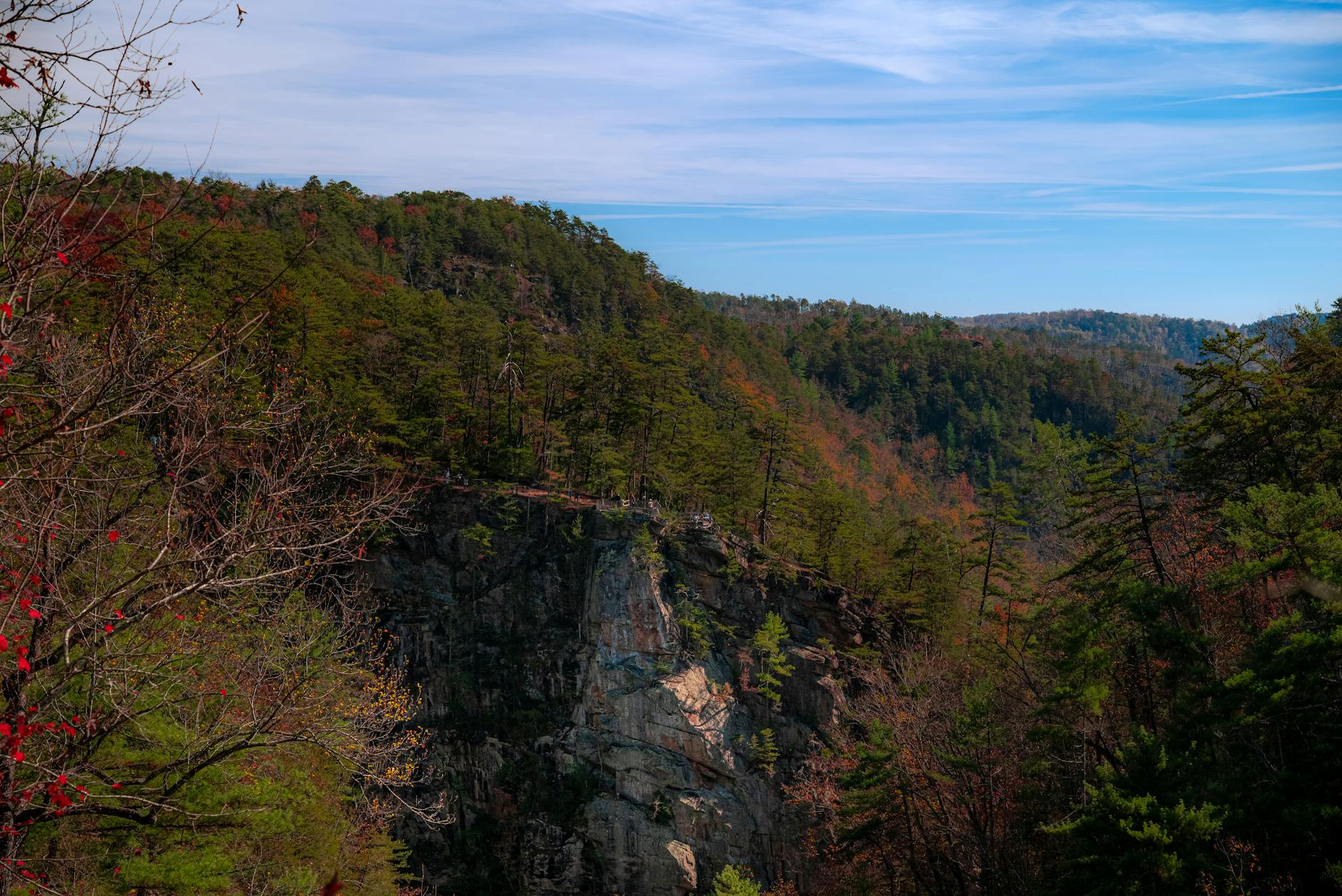
The Smokies are the undisputed king of eastern fall foliage — and for good reason. With over 100 native tree species, the color show here lasts weeks longer than single-species forests. Elevations range from 875 to 6,643 feet, which means peak color rolls downhill over a 4-6 week window.
Start at higher elevations in mid-October (spruce-fir forests transition first), then chase the color down to the valleys through early November. The diversity of reds (sourwood, maples), oranges (hickories), and yellows (birches, poplars) is unmatched anywhere in North America.
Where to stay: Gatlinburg and Pigeon Forge have the most lodging options. Book early on Booking.com — October weekends sell out months in advance.
👉 Read our full guide: Great Smoky Mountains National Park: Complete Visitor’s Guide
2. Shenandoah National Park / Blue Ridge Parkway (Virginia)
Peak Foliage: Mid-October Best Viewpoint: Skyline Drive, mile markers 50-70 (Big Meadows area) for sweeping valley views Crowd Level: 🟡 Moderate-High — busy on weekends but manageable midweek Insider Tip: Drive Skyline Drive on a Tuesday or Wednesday for 70% fewer cars. Stop at Dark Hollow Falls (1.4 mi roundtrip) for a waterfall framed by peak color — it’s short enough to squeeze in between overlooks.
Shenandoah’s 105-mile Skyline Drive is essentially a purpose-built fall foliage experience. Every few minutes you hit another overlook with blue-hazed valley views framed by crimson oaks and golden hickories.
The park sits at the northern end of the Blue Ridge Parkway, so ambitious road-trippers can connect southward into North Carolina for 469 additional miles of mountain color. Together, they form the greatest fall driving experience in America.
Getting there: Dulles (IAD) and Reagan (DCA) airports are both ~90 minutes away. Find cheap flights on Skyscanner.
3. Acadia National Park (Maine)
Peak Foliage: Early to mid-October Best Viewpoint: Cadillac Mountain summit at sunrise (first place in the U.S. to see the sunrise in fall) + Jordan Pond for mirror reflections Crowd Level: 🟡 Moderate — less crowded than summer but still busy; vehicle reservations required for Cadillac Mountain sunrise Insider Tip: Skip the crowds at Thunder Hole and head to Witch Hole Pond via the carriage roads. The still water creates perfect mirror reflections of surrounding fall color, and you’ll often have it to yourself before 9 AM.
Acadia delivers a unique fall experience because you get autumn foliage plus dramatic ocean coastline. Watching red and orange maples frame the rocky Atlantic shore is something you won’t find at any other national park.
The park’s relatively compact size (49,000 acres) means you can hit the highlights in 2-3 days: summit Cadillac Mountain for sunrise, circle Jordan Pond on the flat 3.3-mile loop, bike the carriage roads through color tunnels, and reward yourself with popovers at Jordan Pond House.
What to pack: October in Maine means layers. A packable down jacket and merino wool base layers from REI are essential — mornings can be in the 30s°F.
4. Grand Teton National Park (Wyoming)
Peak Foliage: Late September to early October Best Viewpoint: Schwabacher Landing at sunrise — golden aspens + Snake River + full Teton reflection Crowd Level: 🟢 Moderate — significantly less crowded than summer Insider Tip: Most photographers crowd Schwabacher Landing. For a less-known composition, drive to Oxbow Bend at sunset when the light hits Mt. Moran and the golden aspens glow like they’re on fire. Arrive 45 minutes before sunset for the best light.
If fall foliage had a “greatest hits” photo, it would be golden aspens framing the jagged Teton Range with a glassy river reflection in the foreground. Grand Teton in late September is arguably the most photogenic fall scene in any national park.
The aspens here turn a uniform, brilliant gold (unlike the mixed-species chaos of eastern parks), which creates clean, graphic compositions against the granite peaks and dark green conifers. The window is short — typically just 10-14 days of peak color — so timing is critical.
Wildlife bonus: Fall is also elk mating season (the rut). You’ll hear bugling echoing across the valley at dawn and dusk. Keep your distance (25 yards minimum) and bring a telephoto lens.
👉 Related read: Grand Teton vs Glacier: Which Park Should You Visit?
5. Rocky Mountain National Park (Colorado)
Peak Foliage: Mid-September to early October Best Viewpoint: Bear Lake area for golden aspens reflected in alpine water, plus the trail to Emerald Lake Crowd Level: 🟡 Moderate — timed entry reservations may still be required; check nps.gov Insider Tip: The Peak to Peak Scenic Byway (Highway 7 and 72) outside the park is free and often has better concentrated aspen groves than inside the park. Drive it in the afternoon when the low sun backlights the aspens.
Colorado aspens are legendary, and Rocky Mountain National Park puts them at high elevation with dramatic alpine backdrops. The aspens here grow at 8,000-10,000 feet, which means they turn earlier than lower-elevation forests — making this one of the first parks to hit peak color each year.
Trail Ridge Road (the park’s famous high-altitude highway reaching 12,183 ft) typically closes by mid-October due to snow, so plan your visit for late September to catch both the aspen color and the open road.
Layer up: Elevations above 9,000 feet can see frost and even snow in late September. Pack insulated hiking layers from REI and a windproof shell.
6. Cuyahoga Valley National Park (Ohio)
Peak Foliage: Mid-October Best Viewpoint: Brandywine Falls boardwalk — a 65-foot waterfall framed by peak-color hardwoods Crowd Level: 🟢 Low-Moderate — one of the least-crowded national parks, even in peak season Insider Tip: Ride the Cuyahoga Valley Scenic Railroad through the heart of the valley during their fall foliage excursion weekends. It’s the most relaxing way to see miles of unbroken canopy color without fighting for parking.
This is the most underrated park on this list. Tucked between Cleveland and Akron, Cuyahoga Valley doesn’t get the hype of western parks, but its fall color rivals anything in the Smokies — with a fraction of the crowds.
The park protects 33,000 acres of deciduous forest along the Cuyahoga River, which means oaks, maples, beeches, and hickories all competing to out-color each other in mid-October. The 20-mile Towpath Trail (flat, paved, perfect for biking) runs the length of the valley.
Budget win: No entrance fee, affordable nearby lodging, and cheap flights into Cleveland Hopkins (CLE). This is the most budget-friendly fall foliage national park trip you can take. Search flights on Skyscanner.
7. Zion National Park (Utah)
Peak Foliage: November (yes, November!) Best Viewpoint: The Temple of Sinawava / Riverside Walk area — towering red canyon walls with bright gold cottonwoods at the base Crowd Level: 🟢 Low — November is true off-season at Zion Insider Tip: The Pa’rus Trail (3.5 miles, flat, paved, dogs allowed) runs along the Virgin River and is lined with cottonwoods that peak in early-to-mid November. Unlike the shuttle-required Scenic Drive, you can access Pa’rus Trail from the visitor center parking lot without a shuttle.
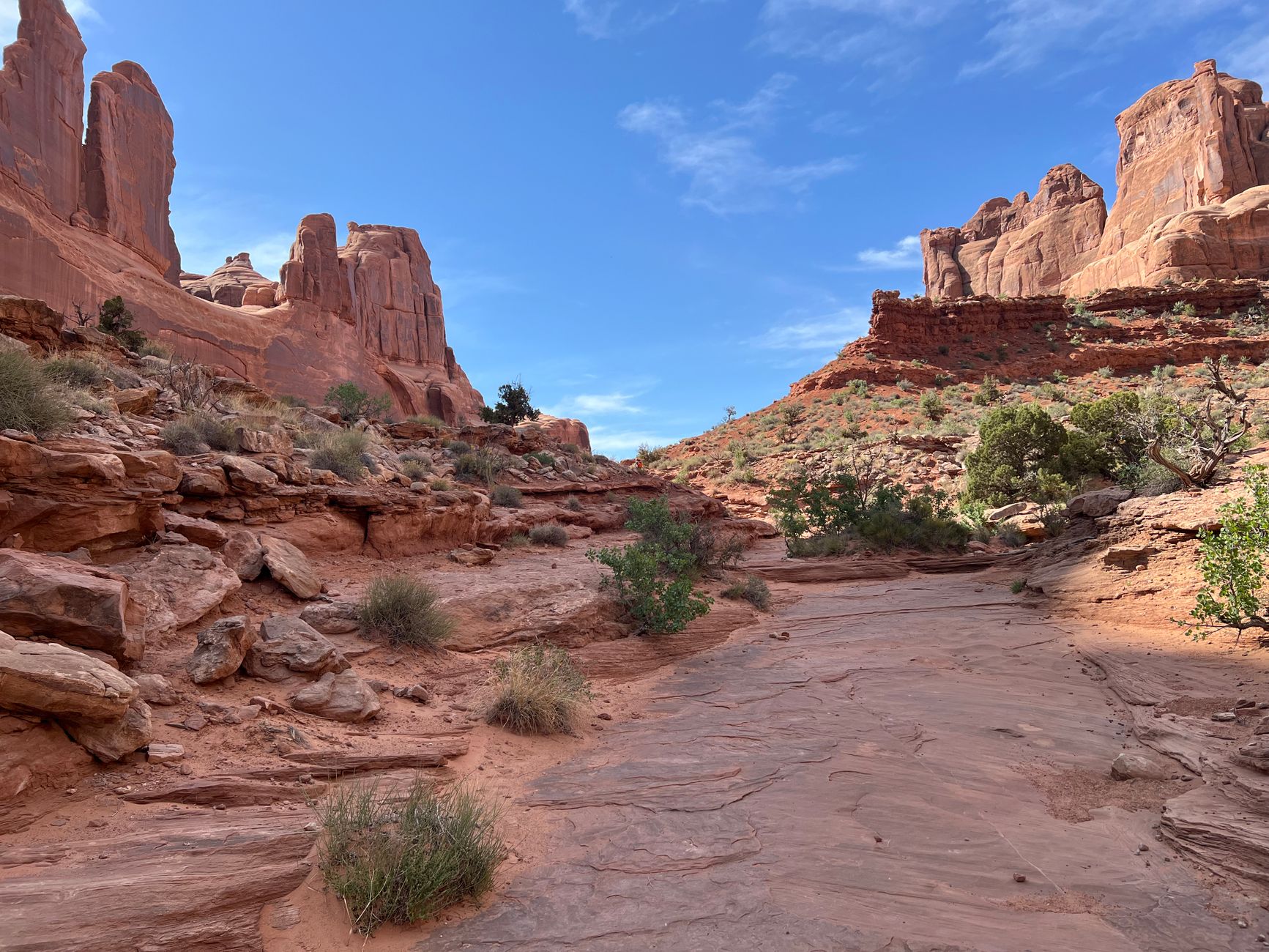
Zion’s fall foliage is completely different from eastern parks — and that’s what makes it special. Instead of forested mountainsides, you get ribbons of brilliant gold cottonwood trees threaded along the Virgin River floor, contrasting dramatically against 2,000-foot red sandstone walls.
The color palette here (gold + deep red + blue sky) is unlike any other park and makes for incredibly graphic photographs. Plus, visiting in November means you’ve essentially missed all the crowds — summer Zion can see 5,000+ vehicles per day; November drops to a fraction of that.
Bonus: November temperatures are perfect for hiking (50s-60s°F days), and The Narrows is often still accessible in early November before winter closures. Book nearby Springdale lodging on Booking.com — prices drop 40-50% from summer.
8. New River Gorge National Park (West Virginia)
Peak Foliage: Mid-October Best Viewpoint: Long Point Trail (3.2 miles roundtrip) for the iconic view of the New River Gorge Bridge framed by fall color on both sides of the canyon Crowd Level: 🟢 Low — America’s newest national park (designated 2020) hasn’t seen the visitor surge yet Insider Tip: Visit during Bridge Day (third Saturday in October) for a truly wild experience — BASE jumpers leap off the 876-foot bridge while the entire gorge blazes with fall color below. It’s the only day pedestrians can walk on the bridge. Arrive early (before 7 AM) for parking.
As America’s newest national park (redesignated from a National River in 2020), New River Gorge is still flying under the radar. That means world-class fall foliage without the reservations, the timed entry, or the fight for parking that plague more famous parks.
The 70,000-acre park protects a deep river gorge carved through the Appalachian Plateau, and the steep canyon walls create elevation diversity that extends the color season. The mix of oaks, maples, birches, and tulip poplars produces rich reds, oranges, and yellows throughout mid-October.
Getting there: Fly into Charleston, WV (CRW) — it’s only 50 minutes to the park. Find flights on Skyscanner. Lodging in Fayetteville is affordable and walkable. Check rates on Booking.com.
9. North Cascades National Park (Washington)
Peak Foliage: Early October Best Viewpoint: Diablo Lake overlook on Highway 20 — turquoise glacial water + golden larches + evergreen conifers = insane color contrast Crowd Level: 🟢 Very Low — one of the least-visited parks in the lower 48 (fewer than 40,000 visitors/year) Insider Tip: Hike the Blue Lake Trail (4.4 miles roundtrip, moderate) in early October for alpine larches that turn electric gold against dark granite peaks and the sapphire lake. It’s one of the most underrated fall hikes in the entire national park system.
North Cascades is America’s secret fall foliage park. While everyone crowds the Smokies and Shenandoah, fewer than 40,000 people visit this park all year — and those who come in early October are rewarded with a color combination found almost nowhere else.
The star of the show is the larch tree (also called tamarack) — a rare deciduous conifer that turns brilliant gold before dropping its needles. Against the backdrop of dark evergreens, turquoise glacial lakes, and snow-capped peaks, the effect is otherworldly.
⚠️ Important: Highway 20 (the only road through the park) typically closes for winter in mid-to-late November. Check WSDOT conditions before planning a late-season trip.
10. Glacier National Park (Montana)
Peak Foliage: Mid-to-late September Best Viewpoint: Two Medicine Lake area for golden larch reflections, or the Going-to-the-Sun Road eastern side (St. Mary area) for sweeping valley views Crowd Level: 🟢 Low-Moderate — significantly lighter than summer (no vehicle reservation required after September 15) Insider Tip: Hike Avalanche Lake (5.8 miles roundtrip, easy-moderate) in late September. The trail passes through a cedar-hemlock forest that stays green while the surrounding mountainsides glow gold — the contrast is stunning.
Glacier’s fall season is one of the best-kept secrets in the national park system. After Labor Day, the summer crowds evaporate, vehicle reservations on Going-to-the-Sun Road end, and the western larches begin their annual transformation into gold.
The park’s larch season (mid-September to early October) draws photographers and solitude-seekers who know that fall Glacier is a completely different — and arguably better — experience than the crowded summer months. Wildlife is also more active in fall: grizzlies are feeding heavily before hibernation, and mountain goats descend to lower elevations.
⚠️ Note: Going-to-the-Sun Road typically closes in mid-October (exact date depends on snowfall). Plan for late September to guarantee road access.
👉 Related read: Grand Teton vs Glacier: Which Park Should You Visit?
What to Pack for Fall Foliage Trips
Autumn weather in national parks can swing from sunny and 70°F to frosty and 30°F within the same day — especially at elevation. Here’s what to bring:
- Packable insulated jacket — mornings and evenings get cold fast
- Merino wool base layers — REI’s merino collection is our go-to for moisture-wicking warmth
- Waterproof hiking boots — fall means wet trails and dewy mornings
- Buff/neck gaiter — blocks wind on exposed ridgelines
- Trekking poles — wet leaves on steep trails = slippery
- Headlamp — days are shorter in fall; sunset catches hikers off guard
How to Save Money on Fall Foliage Trips
Fall is shoulder season at most national parks, which means deals:
- Flights — Use Skyscanner’s “Everywhere” search to find the cheapest gateway airport near your target park. Set fare alerts 3 months ahead. 👉 Read: How to Find Cheap Flights to National Parks
- Lodging — Fall rates drop 20-40% at most park-adjacent lodges compared to summer. Search Booking.com for free cancellation rates and book early — you can always cancel if plans change.
- Timing — Midweek visits (Tue-Thu) are significantly cheaper and less crowded than weekends at every park on this list.
- Camping — Many campgrounds stay open through October and drop to first-come, first-served (no reservation needed). Check recreation.gov for specific dates.
FAQ: Best National Parks for Fall Foliage
Which national park has the best fall foliage?
Great Smoky Mountains National Park is widely considered to have the best fall foliage of any national park thanks to its 100+ tree species, 4-6 week color window (mid-October to early November), and dramatic elevation range that staggers the peak color from ridgetops to valleys.
When is the best time to see fall foliage in national parks?
Peak fall foliage timing varies by park and elevation. Western parks (Glacier, Grand Teton, Rocky Mountain) peak in mid-to-late September. Eastern parks (Smokies, Shenandoah, Acadia) peak in mid-October. Zion is the latest, peaking in November. Use the month-by-month calendar above to plan your specific trip.
Are national parks crowded during fall foliage season?
It depends on the park. Great Smoky Mountains and Shenandoah see heavy fall crowds (especially weekends). However, parks like North Cascades, Cuyahoga Valley, New River Gorge, and Glacier are significantly less crowded in fall than summer. Visiting midweek at any park dramatically reduces crowds.
Do I need reservations for national parks in fall?
Most parks drop their timed-entry reservation requirements after Labor Day or by October 1. However, Acadia still requires Cadillac Mountain sunrise reservations, and some parks may implement them during peak leaf weekends. Always check the specific park’s website on nps.gov 2-4 weeks before your trip.
FAQ Schema (JSON-LD) — Add to WordPress Header
“json “
Pinterest Strategy — 5 Pin Ideas for This Post
Publish all pins by August 1 to gain traction before fall search spikes.
Pin 1: The Listicle Overview
- Title: 10 Best National Parks for Fall Foliage (With Peak Dates!)
- Image concept: Split grid showing 4-6 parks in peak color, numbered, with bold text overlay
- Description: Planning a fall road trip? These 10 national parks have the most stunning autumn colors — from golden aspens in the Tetons to crimson maples in the Smokies. Peak dates + insider tips included. #fallfoliage #nationalparks #autumntravel
Pin 2: The Calendar Pin
- Title: Fall Foliage Peak Dates by National Park (2026 Calendar)
- Image concept: Infographic-style calendar showing parks mapped to their peak color weeks, warm color palette
- Description: Never miss peak fall color again! This month-by-month calendar shows exactly when each national park hits peak foliage. Save this for your autumn planning. #leafpeeping #fallcolors #travelplanning
Pin 3: The Underdog Story
- Title: 5 Underrated National Parks for Fall Foliage (No Crowds!)
- Image concept: Photo of Cuyahoga Valley or New River Gorge in peak color with “hidden gem” badge overlay
- Description: Skip the Smoky Mountains crowds! These 5 underrated national parks have incredible fall foliage without the traffic jams and sold-out lodges. #hiddengems #falltraveltips #offthebeatenpath
Pin 4: The Western Parks Pin
- Title: Best Western National Parks for Fall Colors (Golden Aspens + Larches!)
- Image concept: Grand Teton or North Cascades larch photo with bold text overlay
- Description: Western fall foliage hits different. Golden aspens framing the Tetons, electric larches in North Cascades, cottonwoods in Zion canyons. Here’s when and where to go. #westernparks #aspens #mountainfall
Pin 5: The Packing/Planning Pin
- Title: What to Pack for a Fall National Park Trip (Complete Checklist)
- Image concept: Flat-lay of fall hiking layers with park scenery in background, checklist overlay
- Description: Fall weather in national parks is unpredictable. Here’s exactly what to pack for comfortable hiking from the Smokies to the Rockies. Layers, layers, layers! #hikingchecklist #fallhiking #outdoorgear
Internal Links Summary
| Anchor Text | Target URL | Context |
|---|---|---|
| Great Smoky Mountains National Park: Complete Visitor’s Guide | /great-smoky-mountains-national-park-guide/ | Park #1 section |
| Grand Teton vs Glacier: Which Park Should You Visit? | /grand-teton-vs-glacier-comparison/ | Park #4 and #10 sections |
| Artist Bluff Trail NH Guide | /artist-bluff-trail-nh-guide/ | Consider adding contextual link: “For more New England fall hikes, check out our Artist Bluff Trail guide” |
| How to Find Cheap Flights to National Parks | /how-to-find-cheap-flights-to-national-parks/ | Money-saving section |
Affiliate Disclosure Note (Add to Bottom of Published Post)
This post contains affiliate links. If you book through our links, we may earn a small commission at no extra cost to you. We only recommend services we’ve personally used and trust.
Post Checklist Before Publishing
- [ ] SEO title and meta description added in Yoast/RankMath
- [ ] Focus keyword appears in: title, first paragraph, H2, image alt text, meta desc
- [ ] All internal links verified and working
- [ ] FAQ Schema JSON-LD added to post header
- [ ] Featured image uploaded with descriptive alt text
- [ ] Affiliate links include proper disclosure
- [ ] Pinterest pins designed and scheduled (5 designs, August 1 publish)
- [ ] All external links open in new tab and are nofollow (affiliate) or dofollow (authority sites like nps.gov)
- [ ] Mobile preview checked (tables render properly)
- [ ] Related posts widget configured
🌍 Plan & Book Your Trip
Best deals powered by Travelpayouts:
Affiliate links — no extra cost to you.