Yellowstone National Park: First-Timer’s Complete Guide
I’ll be honest — nothing prepared me for how enormous Yellowstone is. I showed up for my first visit with a 2-day plan and quickly realized I’d need to come back. Twice. If you’re looking for a reliable yellowstone national park guide that won’t sugarcoat the logistics, you’re in the right place. This park demands more planning than most people expect, but the payoff — geysers erupting on schedule, bison herds blocking traffic, hot springs in impossible colors — makes every bit of prep worthwhile.
Yellowstone was America’s first national park (established 1872), and it still feels like stepping onto another planet. You’ve got half the world’s active geysers, the largest concentration of mammals in the lower 48, a canyon that rivals the Grand Canyon in drama, and volcanic activity that reminds you the ground beneath your feet is alive.
Let me walk you through everything I wish I’d known before my first trip.
- Plan for 3-5 days minimum. Yellowstone is bigger than Rhode Island and Delaware combined — you can’t see it in a day.
- The park has 5 distinct regions, each worth a full day: Old Faithful, Canyon, Mammoth, Lamar Valley, and Lake.
- Wildlife viewing is best at dawn and dusk. Lamar Valley is your best shot at wolves, bears, and bison herds.
- Book lodging 12-13 months ahead if you want to stay inside the park. Seriously.
- Summer crowds are intense. Parking lots fill by 9 AM at popular spots.
- The Grand Loop Road connects all major attractions — plan your driving route in advance.
- Bring binoculars. Wildlife is everywhere, but keeping distance (100 yards for bears/wolves) is law.
| Detail | Info |
|---|---|
| Location | Wyoming, Montana, Idaho (mostly Wyoming) |
| Park size | 2.2 million acres (3,471 square miles) |
| Established | March 1, 1872 |
| Annual visitors | ~4.9 million |
| Entrance fee | $35/vehicle (7-day pass) or America the Beautiful Pass |
| Best months | June–September (full access); May + October for fewer crowds |
| Elevation range | 5,300–11,358 feet |
| Active geysers | 500+ (most in the world) |
| Major wildlife | Bison, grizzly bears, wolves, elk, moose, pronghorn |
| Nearest airports | Bozeman (BZN), Jackson Hole (JAC), West Yellowstone (WYS) |
Here’s the mistake almost every first-timer makes: they look at the map and think, “It’s just one park — I’ll drive around and hit everything.” Then they realize the Grand Loop Road alone is 142 miles, with speed limits of 25-45 mph, and wildlife jams that can add 30+ minutes to any drive.
Yellowstone is shaped like a figure-eight road system with five entrance stations and five distinct regions:
| Region | Highlights | Time Needed |
|---|---|---|
| Upper Geyser Basin (Old Faithful) | Old Faithful, Morning Glory Pool, boardwalk geysers | 4-6 hours |
| Midway Geyser Basin | Grand Prismatic Spring, Excelsior Geyser | 1-2 hours |
| Canyon Village | Grand Canyon of Yellowstone, Upper/Lower Falls | 3-4 hours |
| Mammoth Hot Springs | Terraced limestone formations, elk herds in town | 2-3 hours |
| Lamar Valley | Wildlife watching (wolves, bears, bison herds) | Half day minimum |
| Yellowstone Lake | Fishing, boating, West Thumb Geyser Basin | 2-3 hours |
My advice: Pick 2-3 regions per day maximum. Drive times between areas range from 30 minutes to 2+ hours depending on traffic and wildlife stops.
Let’s start where everyone starts — Old Faithful. And yeah, it’s touristy. There are benches, a visitor center, and hundreds of people waiting for the eruption. But here’s the thing: it’s still genuinely spectacular. Every 90 minutes (give or take 10), a column of boiling water shoots 130+ feet into the air for 2-5 minutes. I’ve seen it four times now and I still stop everything to watch.
But the real magic isn’t Old Faithful itself — it’s the Upper Geyser Basin boardwalk that extends beyond it. Most day-trippers watch the eruption and leave. If you keep walking, within 30 minutes you’ll have the boardwalk almost to yourself, passing dozens of smaller geysers, vivid hot pools, and bizarre formations.
Don’t miss:
- Morning Glory Pool — a turquoise hot spring at the end of the boardwalk (1.4-mile walk from Old Faithful)
- Castle Geyser — erupts for 20 minutes with massive steam columns
- Grand Geyser — the world’s tallest predictable geyser (up to 200 feet!)
- Chromatic Pool and Beauty Pool — connected pools that shift colors seasonally
Pro tip: Check the NPS geyser prediction board at the visitor center. Rangers predict eruption windows for 5-6 major geysers. Time your walk to catch Grand Geyser or Castle Geyser while you’re already in the basin.
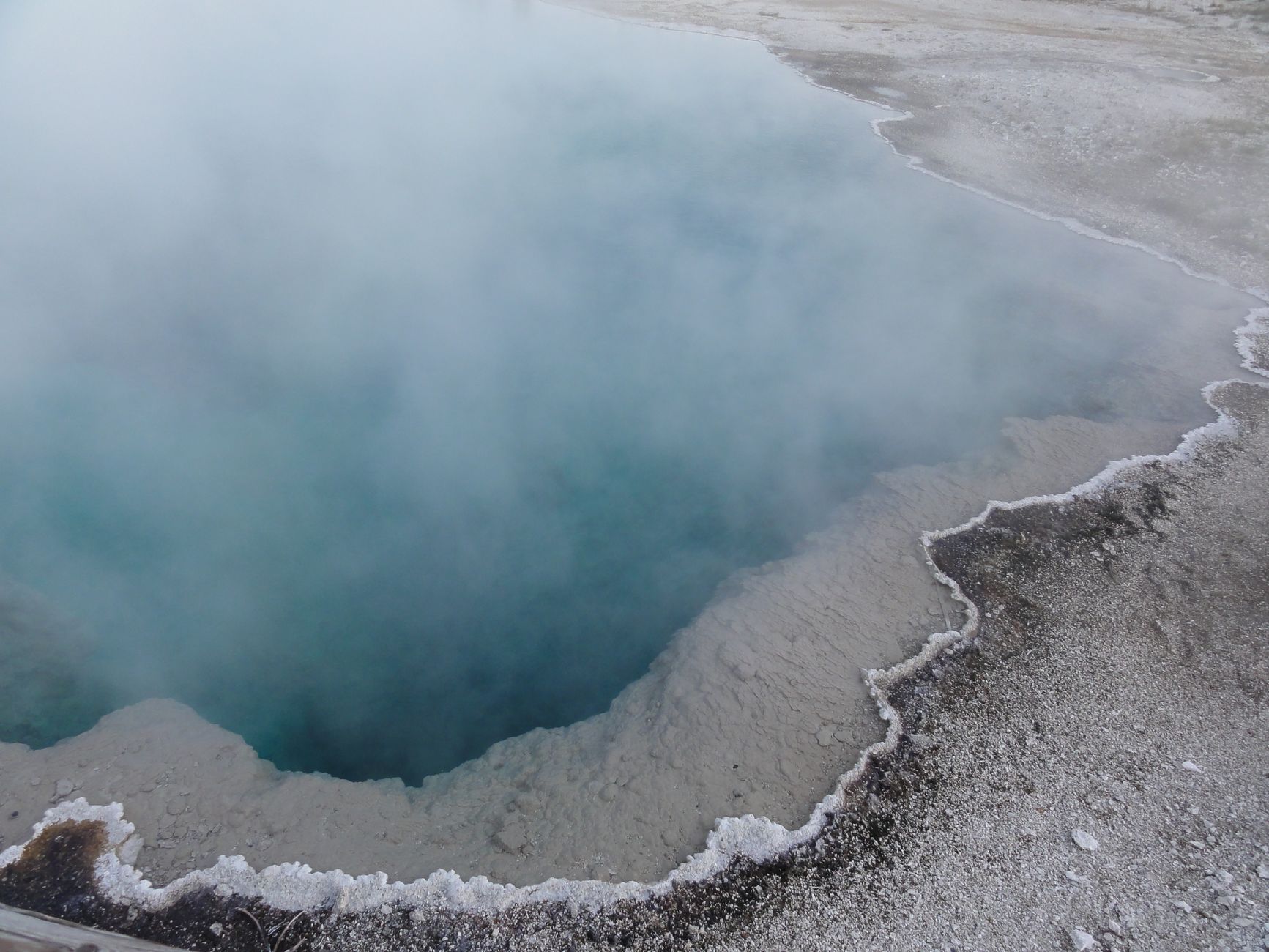
Grand Prismatic is the single most photographed feature in Yellowstone, and I get why. It’s the third-largest hot spring on Earth — 370 feet across — with rings of orange, yellow, green, and blue caused by heat-loving bacteria at different temperatures.
Two ways to see it:
- Boardwalk (ground level): You’ll walk right along the edge. On cool mornings, steam obscures the colors. Go midday when the sun burns off the mist.
- Grand Prismatic Overlook Trail (aerial view): A 1.6-mile round-trip hike from the Fairy Falls trailhead gives you the elevated view you’ve seen in photos. This is the shot you want. Go between 11 AM and 2 PM for best color saturation.
I’ve done both, and the overlook trail is non-negotiable. The boardwalk is cool, but you can’t grasp the scale or color pattern from ground level.
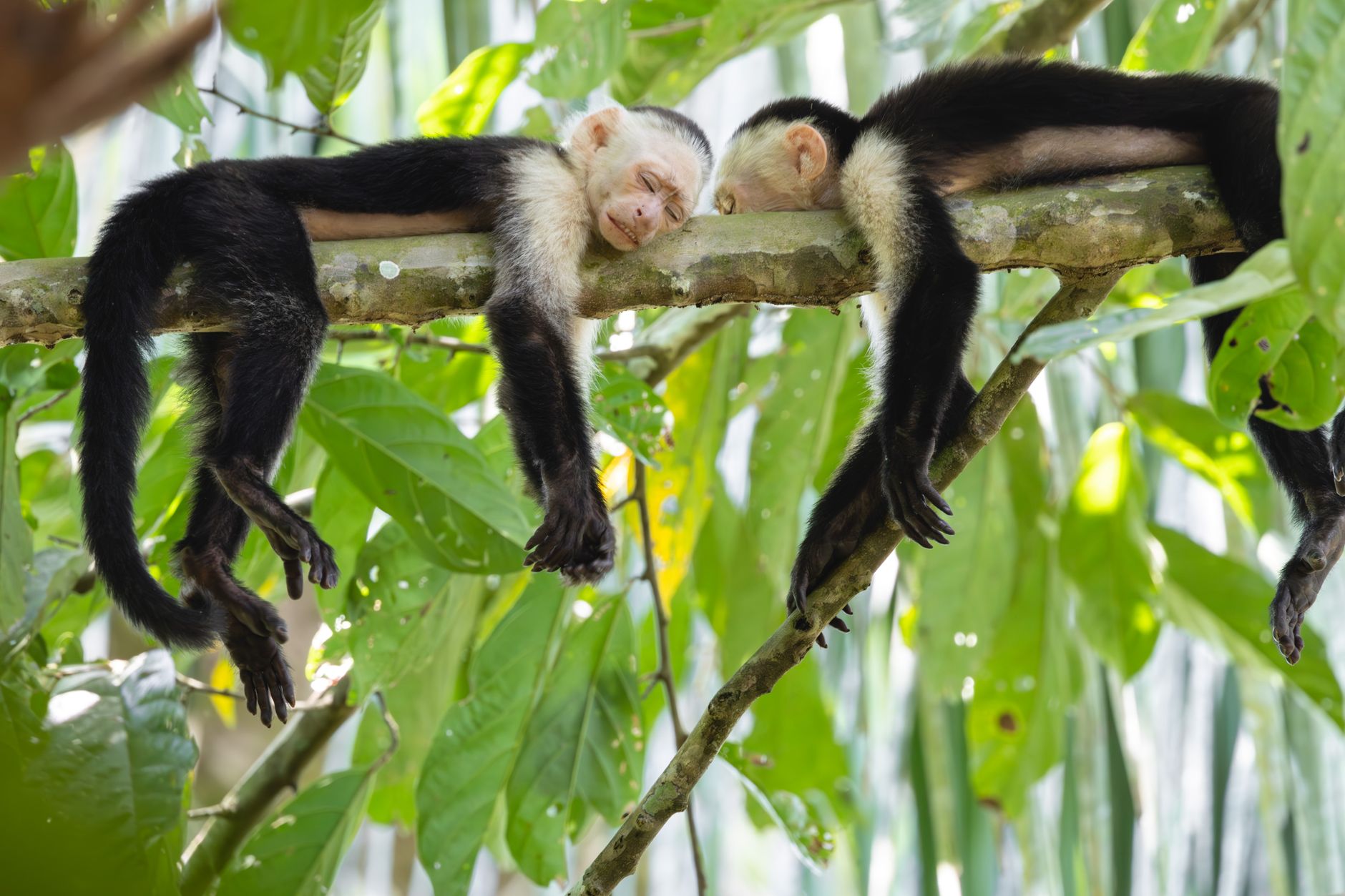
If wildlife is your priority — and honestly, it should be at least one day of your trip — Lamar Valley is where you go. This wide, open valley in the park’s northeast corner is home to bison herds numbering in the hundreds, wolf packs, grizzly bears, coyotes, pronghorn, and eagles.
Best strategy:
- Arrive before dawn. Wildlife is most active in the first 2 hours of daylight.
- Bring binoculars and a spotting scope (or ask to share — the Yellowstone wildlife-watching community is incredibly generous).
- Look for clusters of people with tripods. They’ve found something. Pull over safely and ask.
- Stay in your car. Lamar Valley wildlife is close to the road, and your car is the best blind.
I spent an entire morning in Lamar Valley watching a wolf pack teach pups to hunt. I could hear them howling at 5 AM from the pullout where I’d parked. That morning alone justified the entire trip.
Wildlife safety: Stay 100 yards from bears and wolves, 25 yards from all other large animals. People get gored by bison every year because they get too close for selfies. Don’t be that person.
No, not that Grand Canyon — Yellowstone has its own. The Grand Canyon of the Yellowstone is a 20-mile-long, 1,000-foot-deep gorge carved by the Yellowstone River, with two massive waterfalls and walls painted in yellow, orange, and red from hydrothermal activity.
Must-see viewpoints:
- Artist Point — the classic postcard view of Lower Falls (308 feet, twice Niagara’s height)
- Inspiration Point — panoramic canyon views
- Uncle Tom’s Trail — 328 metal steps descending into the canyon for a closer waterfall view (steep but doable)
- Brink of the Upper Falls — stand at the edge where the river drops 109 feet
This area is perfect for photographers in early morning or late afternoon when the canyon walls glow. Budget 3-4 hours to hit multiple viewpoints and do the Uncle Tom’s Trail descent.
Mammoth is different from everything else in Yellowstone. Instead of geysers and hot pools, you get terraced limestone formations built by flowing hot water depositing calcium carbonate over thousands of years. The terraces constantly change — some dry up while new ones form.
The boardwalk system takes you through both the Upper and Lower Terraces. Some sections look like melted wedding cakes, others like alien landscapes. The colors shift from brilliant white to rust orange depending on the bacteria present and the water flow.
Bonus: Mammoth Hot Springs village has a resident elk herd. They graze on the lawns, sleep in parking lots, and generally own the place from September through November (rutting season). Keep your distance — bull elk are aggressive during rut.
Yellowstone isn’t primarily known as a hiking park (unlike its neighbor Grand Teton), but it has incredible trails if you know where to look. Here are my favorites for a first visit:
| Trail | Distance | Difficulty | Highlight |
|---|---|---|---|
| Grand Prismatic Overlook | 1.6 mi RT | Easy | Aerial view of Grand Prismatic |
| Mystic Falls | 3.5 mi RT | Easy-Moderate | Waterfall + optional ridge loop |
| Storm Point | 2.3 mi loop | Easy | Lakeside trail, wildlife |
| Mount Washburn | 6.2 mi RT | Moderate | 360° summit views, bighorn sheep |
| Fairy Falls + Imperial Geyser | 5.4 mi RT | Easy | 197-foot waterfall, backcountry geyser |
| Avalanche Peak | 4 mi RT | Strenuous | Alpine summit, wildflowers |
Important: Always carry bear spray on hikes. Yellowstone is grizzly country. You can rent canisters at park stores if you don’t want to buy.
On my second morning in Yellowstone, I made the rookie mistake of sleeping in. By the time I reached Lamar Valley at 9 AM, I figured I’d missed the good stuff. But as I rounded a bend, traffic stopped. A massive bull bison — easily 2,000 pounds — was standing in the middle of the road, staring at nothing in particular, chewing his cud like he owned the place.
Cars piled up in both directions. Nobody honked. Nobody got out to shoo him. We all just… waited. For twenty minutes, this ancient animal reminded us that we’re the guests here. When he finally lumbered to the roadside, steam rising from his back in the cool air, I realized something: Yellowstone doesn’t run on your schedule. It runs on geological time, animal time, geyser time. The faster you accept that, the better your trip will be.
That shift in mindset — from “how much can I see today” to “what will the park show me today” — transformed every moment after.
| Season | Pros | Cons |
|---|---|---|
| Summer (June-Aug) | All roads/facilities open, longest days | Extreme crowds, lodging booked, parking nightmares |
| Fall (Sep-Oct) | Fewer crowds, fall colors, elk rut | Some facilities close, weather unpredictable, snow possible |
| Winter (Nov-Apr) | Stunning snow scenes, minimal crowds, unique experiences | Most roads closed to cars, snowcoach/snowmobile only |
| Spring (Apr-May) | Waterfalls peak, baby animals, fewer visitors | Some roads still closed, mud season, cold mornings |
My recommendation: Visit in September. You’ll get 60% of the crowds, fall colors starting in the aspens, elk bugling in Mammoth, and still-warm enough days for hiking. Plus, parking is actually possible at Grand Prismatic after 9 AM.
Yellowstone has 9 lodges and over 2,000 campsites. The challenge? They book out 12-13 months in advance for summer. Here’s how I’d prioritize:
| Lodge | Best For | Price Range | Location Advantage |
|---|---|---|---|
| Old Faithful Inn | Historic experience | $$$$ | Walk to geysers |
| Canyon Lodge | Central location | $$$ | Near canyon + Lamar Valley |
| Lake Yellowstone Hotel | Relaxation | $$$$ | Stunning lakefront |
| Roosevelt Lodge | Rustic/budget | $$ | Lamar Valley access |
| Mammoth Hot Springs Hotel | Winter access | $$$ | Year-round, elk viewing |
Camping: Bridge Bay and Madison campgrounds are reservable. Grant Village and Canyon too. Book the moment reservations open (usually April for same-year summer). First-come, first-served sites fill by noon.
If park lodging is booked (likely), these towns have ample options:
- West Yellowstone, MT — most popular, tons of hotels/restaurants, 30 min to Old Faithful
- Gardiner, MT — north entrance, year-round access, close to Mammoth
- Cooke City, MT — northeast entrance, quiet, closest to Lamar Valley
- Jackson, WY — south entrance (via Grand Teton), 1+ hour to most Yellowstone features
- Morning: Drive to Upper Geyser Basin, watch Old Faithful erupt
- Midday: Walk the full boardwalk to Morning Glory Pool
- Afternoon: Drive to Midway Geyser Basin for Grand Prismatic (boardwalk), then Grand Prismatic Overlook Trail
- Evening: Sunset at Fountain Paint Pots
- Early morning: Drive to Lamar Valley for wildlife (arrive before 6 AM)
- Mid-morning: Continue to Canyon Village
- Afternoon: Artist Point, Uncle Tom’s Trail, Inspiration Point
- Evening: Drive Hayden Valley for bison herds at sunset
- Morning: Mammoth Terraces boardwalk
- Midday: Drive to Tower Fall
- Afternoon: Hike Mount Washburn (if energy allows) or Blacktail Deer Creek
- Evening: Return to Mammoth for elk viewing
- Morning: West Thumb Geyser Basin (hot springs meeting the lake)
- Midday: Yellowstone Lake shoreline, fishing/boating
- Afternoon: Revisit any area you loved, or try Fairy Falls hike
- Evening: Sunset anywhere you choose
If you have a 5th day, spend another morning in Lamar Valley. Wildlife sightings vary dramatically day to day — you might see wolves, a grizzly with cubs, or a bison river crossing.
Practical stuff that makes or breaks your trip:
- Download offline maps. Cell service is minimal to nonexistent in most of the park.
- Fill your gas tank whenever you pass a station. Distances between them are 30-50 miles.
- Pack layers. Morning temperatures in June can be 35°F, afternoon hits 75°F.
- Bring bear spray and know how to use it. Every hiker should carry it.
- Start early or stay late. The 10 AM–4 PM window is crowded everywhere.
- Don’t approach wildlife. Period. Not even bison. Especially not bison.
- Boardwalk rules are life-or-death. Thermal ground can collapse and people have died from falling into boiling pools.
- Plan your fuel stops. Stations exist at Canyon, Old Faithful, Grant Village, Tower, and Fishing Bridge.
Q: How many days do you need in Yellowstone National Park?
A: Plan for 3-5 days minimum to see the major highlights. Two days feels extremely rushed and you’ll miss entire regions. Five days lets you explore all five areas at a comfortable pace with time for wildlife watching and hiking.
Q: What is the best month to visit Yellowstone? A: September offers the best balance of good weather, manageable crowds, fall colors, and full road access. June through August have the longest days and warmest temperatures but extreme crowds. May and October are quieter but some roads may be closed.
Q: Can you see Yellowstone without hiking?
A: Absolutely. Most of Yellowstone’s major attractions — Old Faithful, Grand Prismatic Spring, the Grand Canyon viewpoints, Mammoth Hot Springs, and Lamar Valley wildlife — are accessible via boardwalks or short paved paths from parking areas. You could spend 4 days seeing incredible things without hiking more than a mile from your car.
Q: Is Yellowstone safe for families with young children?
A: Yes, with supervision. The main dangers are thermal features (boiling water just off boardwalks) and wildlife. Keep children on boardwalks at all times, maintain wildlife distances (100 yards for bears/wolves, 25 yards for others), and carry bear spray on trails. Many families visit safely every year.
Plan for 3-5 days minimum. I’ve done 2-day visits and 5-day visits, and the difference is enormous. Two days means sprinting between parking lots. Five days means actually experiencing the park — watching a geyser erupt without checking your watch, spending a full morning in Lamar Valley, and taking that hike you almost skipped.
September is my pick for the sweet spot. Roads are still open, crowds drop significantly after Labor Day, aspens start turning gold, and elk rut fills Mammoth with bugling. Summer (June-August) works if you’re an early riser willing to beat crowds.
Yes — and you’ll still have an incredible trip. Old Faithful, Grand Prismatic, Mammoth Hot Springs, Artist Point, and Lamar Valley are all accessible without strenuous hiking. Boardwalks and short paths connect you to 90% of the park’s highlights.
Very much so, with one caveat: thermal features are genuinely dangerous. Boiling water sits inches from boardwalks, and the ground near hot springs can be thin crust over scalding pools. Hold hands, stay on paths, and never let kids run ahead on boardwalks. Beyond that, kids absolutely love this park — the geysers, the bison, the colors.
Before you go, check fees, road status, and conditions on the official Yellowstone National Park site.
Yellowstone isn’t just another national park — it’s a force of nature that’s been reshaping itself for 640,000 years and counting. The geysers erupt whether you’re watching or not. The wolves hunt whether you brought binoculars or not. The canyon glows at sunrise whether anyone’s at the viewpoint or not.
Your job as a first-time visitor is simple: show up, slow down, and let the park set the pace. Don’t try to check every box. Don’t race between parking lots. Watch one geyser erupt twice instead of driving to the next one. Stay for the golden hour at Artist Point. Pull over when you see steam rising from a meadow.
This park has been here since before humans existed, and it’ll be here long after. You don’t need to see all of it this time. You just need to see enough to know you’re coming back.
Planning your Yellowstone trip? Use our Trip Planner to map out your days and driving routes.
More park guides you might love:
- Great Smoky Mountains National Park Guide
- Grand Teton vs Glacier: Which Mountain Park to Visit?
- Acadia National Park: First-Timer’s Guide
- Best Day Hikes in the Grand Canyon
- 15 Best National Park Hikes in America
🌍 Plan & Book Your Trip
Best deals powered by Travelpayouts:
Affiliate links — no extra cost to you.