Sedona Hiking Guide: Best Red Rock Trails (2026)

Sedona Hiking Guide: Best Red Rock Trails (2026)
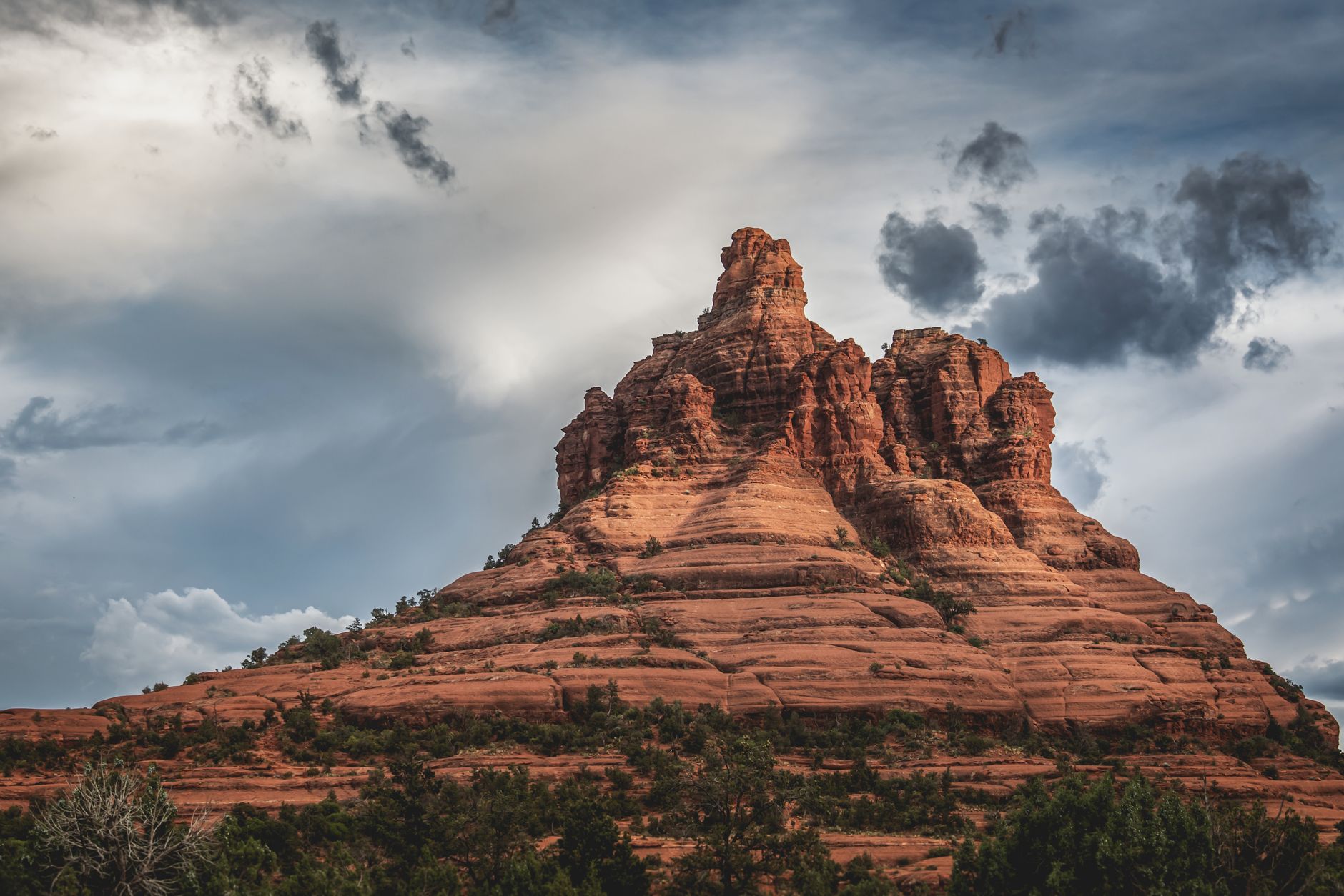
Photo by Tim Mossholder on Pexels

Sedona Hiking Guide: Best Red Rock Trails, Vortexes & When to Go

🌍 Plan & Book Your Trip

Compare the best deals for this destination — flights, hotels, tours and more:

Affiliate links — we may earn a commission at no extra cost to you.

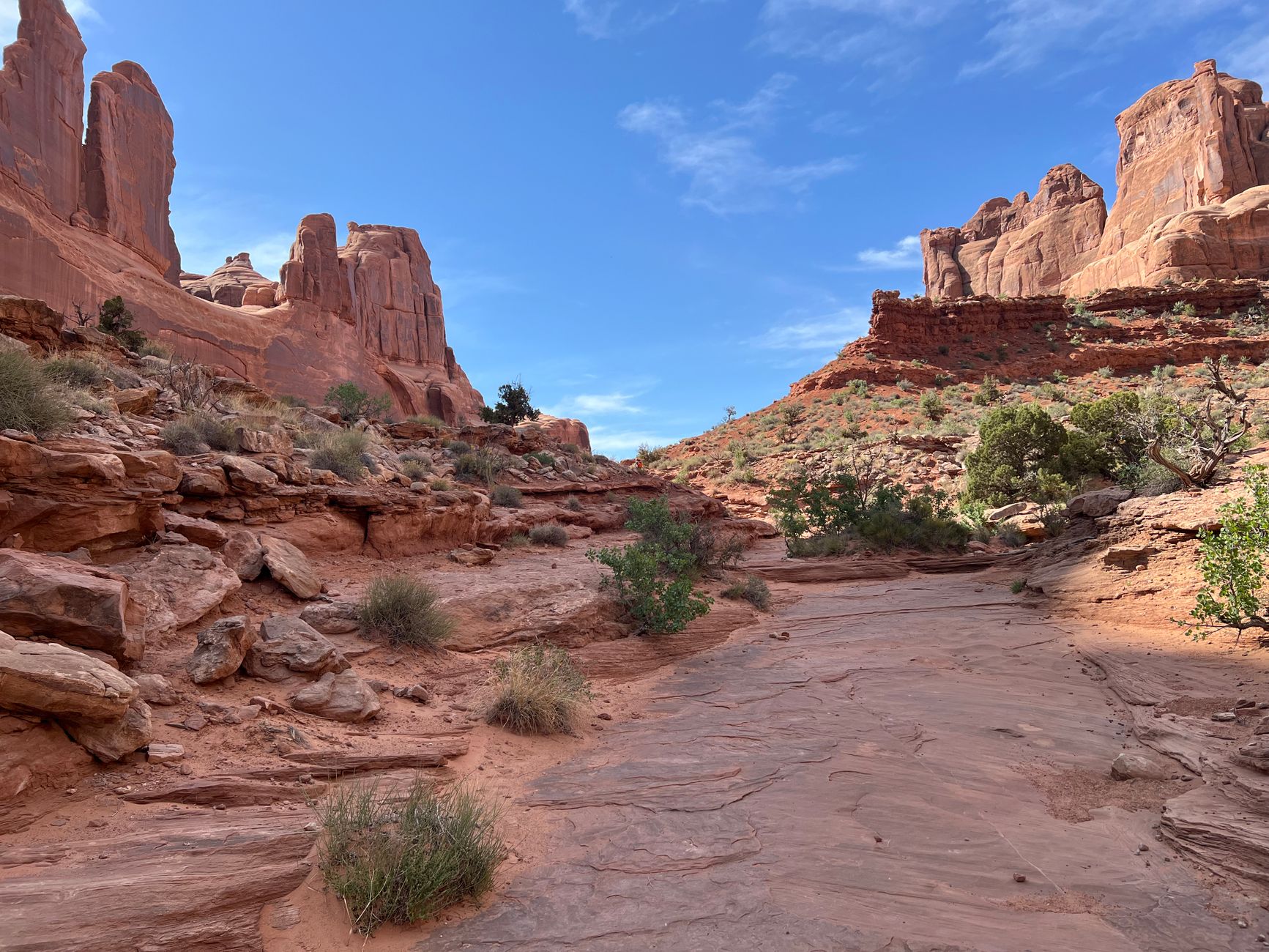
Sedona’s red rock formations light up like embers at sunset — and almost every famous viewpoint is reachable on a half-day hike.

The first time I rounded the bend on Highway 179 and saw the red rocks of Sedona stacked against a blue Arizona sky, I actually pulled over and laughed out loud. The color is unreal — these towering buttes and spires glowing rust-orange, deep crimson, and burnt sienna, all framed by green juniper and a sky so blue it almost hurts. If you’re hunting for a practical, boots-on-the-ground Sedona hiking guide, you’re in the right place. I’ve hiked these trails across two trips, made the rookie parking mistakes, and figured out which famous viewpoints actually live up to the hype (most of them do).

Sedona sits about two hours north of Phoenix in Arizona’s high desert, where the elevation climbs to roughly 4,300 feet and the saguaro cactus gives way to red sandstone, pinyon pine, and a landscape that feels almost otherworldly. It’s famous for two things: jaw-dropping red rock scenery and the so-called “vortexes” — spots where many believe the earth’s energy is concentrated. You don’t have to buy into the spiritual side to enjoy Sedona, but you’d be hard-pressed to find a more beautiful place to lace up your boots.

This guide covers the trails worth your time, when to go, where to stay, and exactly how to pull off a day trip from Phoenix if that’s all the time you’ve got.

Key Takeaways

  • Sedona’s big three hikes are Devil’s Bridge, Cathedral Rock, and Bell Rock — and they’re all very different in difficulty.
  • Spring (March–May) and fall (Sept–Nov) are the best times to hike. Summer afternoons get hot, and winter brings occasional snow on the red rocks (gorgeous, but icy).
  • A Red Rock Pass is required to park at most trailheads in the Coconino National Forest. Buy it ahead of time.
  • The vortex sites (Cathedral Rock, Bell Rock, Airport Mesa, Boynton Canyon) are also the best scenic hikes — convenient if you want both views and “energy.”
  • Parking fills shockingly early. Arrive before 7 AM at popular trailheads or use the seasonal shuttle.
  • Day trips from Phoenix are easy — it’s a 2-hour drive each way, leaving plenty of time for two or three short hikes.

Quick Facts

DetailInfo
LocationNorth-central Arizona (Verde Valley, Coconino National Forest)
Elevation~4,300 ft (high desert)
Drive from Phoenix~2 hours (115 miles)
Drive from Flagstaff~45 minutes (30 miles)
Best monthsMarch–May, September–November
ParkingRed Rock Pass required ($5/day, $15/week) at most trailheads
Famous vortex sitesCathedral Rock, Bell Rock, Airport Mesa, Boynton Canyon
Signature hikesDevil’s Bridge, Cathedral Rock, Bell Rock
Ideal stay2–3 days (or a single day trip from Phoenix)
Heat warningSummer highs reach 95–100°F — hike early or late

How to Get to Sedona

From Phoenix: The most common gateway. It’s about a 2-hour drive (115 miles) north on I-17, then west on Highway 179 into the Village of Oak Creek and Sedona proper. Phoenix Sky Harbor (PHX) is the major airport with the most flight options and rental cars.

From Flagstaff: Just 45 minutes away via the stunning Oak Creek Canyon scenic drive (Highway 89A) — one of the prettiest stretches of road in Arizona, with switchbacks descending through a forested canyon.

Getting around: You’ll want a car. Sedona is spread out, and trailheads are scattered around the edges of town. In busy seasons, the Sedona Shuttle runs free service to some of the most congested trailheads (Cathedral Rock, Soldier Pass, Dry Creek/Devil’s Bridge area, Mescal) — and honestly, it’s often the smartest way to avoid the parking headache entirely.

The #1 thing first-timers don’t know: Sedona’s popular trailhead lots fill before sunrise on weekends. If you show up at 9 AM expecting to park at Devil’s Bridge or Cathedral Rock, you’ll likely be turned away or stuck circling. Get there early or ride the shuttle.

The Best Hikes in Sedona

1. Devil’s Bridge — The Iconic Photo Hike

DetailInfo
Distance4.2 miles round trip (from Dry Creek Rd)
Elevation gain~400 feet
DifficultyModerate
Pass requiredRed Rock Pass
Best forThe famous standing-on-the-arch photo
Devil’s Bridge is the most photographed spot in Sedona — a natural sandstone arch you can walk out onto for a heart-in-your-throat photo with the red rock landscape spilling out beneath you. The bridge itself is wider and safer than the photos make it look, but the drop on either side is real, so move carefully.

Why I love it: The payoff is genuinely spectacular, and the final climb to the arch (a short rocky scramble up natural stone “stairs”) is fun without being scary. The arch photo is a rite of passage.

Tips:

  • The full hike from the Dry Creek Road lot is 4.2 miles. A high-clearance 4WD can drive the rough road to a closer trailhead, but most rental cars can’t.
  • Get there at sunrise — by mid-morning there’s often a 20–30 minute LINE to take the arch photo.
  • Bring more water than you think. There’s zero shade most of the way.

2. Cathedral Rock — Short, Steep & Spectacular

DetailInfo
Distance1.2 miles round trip
Elevation gain~740 feet
DifficultyHard (short but very steep)
Pass requiredRed Rock Pass (or use the shuttle)
Best forSunset, vortex energy, big views for little distance
Don’t let the 1.2-mile distance fool you — Cathedral Rock is a steep, hands-on scramble up smooth sandstone to a saddle between the towering spires. It’s short, but it climbs fast, and there are sections where you’re using your hands to pull yourself up rock ledges.

Why I love it: It might be the best effort-to-reward ratio in all of Sedona. In under a mile, you go from parking lot to one of the most dramatic viewpoints in Arizona. It’s also a famous vortex site, so you’ll often see people meditating at the saddle.

Tips:

  • This trailhead now requires the shuttle on busy days (the lot is tiny). Check the current Sedona Shuttle schedule.
  • Wear shoes with grip — the slickrock can be slippery, especially when dusty.
  • It’s a phenomenal sunset hike, but bring a headlamp for the descent (see my headlamp guide).

3. Bell Rock — Easy Access, Choose Your Own Difficulty

DetailInfo
Distance1–4 miles (your choice)
Elevation gainVaries (flat loop to steep scramble)
DifficultyEasy to Hard
Pass requiredRed Rock Pass
Best forFamilies, beginners, and vortex seekers
Bell Rock is the friendly giant of Sedona hiking. The Bell Rock Pathway is a flat, easy loop perfect for families, but if you want more, you can scramble up the rock as far as your nerve allows. There’s no single “summit” — you simply climb until the exposure gets too spicy for your comfort level.

Why I love it: It’s the most flexible hike in town. You can do a gentle 1-mile stroll or a thigh-burning scramble. The bell-shaped formation is also one of Sedona’s four main vortex sites.

Tips:

  • Start at the Bell Rock or Courthouse Vista trailhead in the Village of Oak Creek.
  • Know your limits on the scramble — it’s easy to climb higher than you’re comfortable coming back down.

4. Soldier Pass — Caves, Arches & a Sinkhole

DetailInfo
Distance~4.5 miles round trip
Elevation gain~700 feet
DifficultyModerate
Pass requiredRed Rock Pass (shuttle recommended)
Best forVariety — caves, a sinkhole, and arches
Soldier Pass packs an incredible amount of variety into one trail: the Devil’s Kitchen sinkhole, the Seven Sacred Pools (a series of natural rock basins), and the famous Soldier Pass Caves — a hidden cave system you scramble up to off the main trail.

Why I love it: It feels like a treasure hunt. The caves in particular are a hidden gem that most first-timers miss because the side trail isn’t obvious.

Tips:

  • The trailhead lot is tiny and opens at 8 AM with a strict vehicle limit — the shuttle is genuinely the better option here.
  • The cave scramble requires using your hands and a bit of route-finding.

5. West Fork of Oak Creek — The Shady Escape

DetailInfo
Distance~6.5 miles round trip
Elevation gain~300 feet
DifficultyEasy-Moderate
Pass requiredDay-use fee at the trailhead
Best forSummer heat, fall color, creek crossings
When the red rock trails get brutally hot, West Fork is the antidote. This trail follows Oak Creek through a shaded canyon, crossing the water more than a dozen times beneath towering canyon walls. In fall, the bigtooth maples turn brilliant red and gold.

Why I love it: It’s the rare Sedona hike with shade and water, which makes it a lifesaver in summer and a stunner in October.

Tips:

  • Expect wet feet — you’ll cross the creek repeatedly. Quick-dry shoes help (see my notes on water shoes for hiking).
  • It’s in Oak Creek Canyon, about 10–15 minutes north of town toward Flagstaff.

Comparison: Which Sedona Hike Should You Choose?

If You Want…Do This HikeWhy
The iconic photoDevil’s BridgeThe famous standing-on-the-arch shot
Big views, short distanceCathedral Rock1.2 miles to a jaw-dropping saddle
Easy & family-friendlyBell Rock PathwayFlat, scenic, choose your effort
The most varietySoldier PassCaves, sinkhole, pools, and arches
Shade and waterWest Fork of Oak CreekCreek crossings + fall color
Best sunsetCathedral RockThe spires glow at golden hour

Understanding Sedona’s Vortexes

You can’t read about Sedona without bumping into the word “vortex.” The idea is that certain spots concentrate the earth’s energy in ways that promote healing, meditation, and reflection. Whether or not you believe in the metaphysical claims, here’s the practical truth: the four main vortex sites are also some of the best scenic hikes in town. So you get the views regardless.

The four classic vortex sites:

  • Cathedral Rock — Often considered the most powerful. Also a stunning (steep) hike.
  • Bell Rock — Easy to access, family-friendly, with multiple viewpoints.
  • Airport Mesa — A short, easy loop with one of the best sunset panoramas in Sedona.
  • Boynton Canyon — A longer, more forested hike with a famous “Vortex” knoll near the trailhead.
My take: even as a skeptic, sitting quietly at the Cathedral Rock saddle at sunset is genuinely moving. Call it energy, call it scenery, call it the simple peace of a beautiful place — it works.

Best Time to Visit Sedona for Hiking

Spring (March–May): Arguably the best window. Wildflowers bloom, daytime temps are pleasant (60s–80s°F), and the trails are in great shape. It’s also the busiest, so book lodging early.

Fall (September–November): My personal favorite. The summer heat breaks, the crowds thin slightly, and Oak Creek Canyon explodes with fall color in October. Crisp mornings, warm afternoons.

Summer (June–August): Hot. Daytime highs hit 95–100°F, and the exposed red rock offers almost no shade. You can still hike, but go at sunrise, carry tons of water, and consider shady creek hikes like West Fork. Watch for afternoon monsoon thunderstorms (July–September) that bring flash-flood risk to canyons.

Winter (December–February): Quiet and cool, with daytime temps in the 50s–60s°F. Occasional snow dusts the red rocks — one of the most magical sights in Arizona — but trails can get icy, so pack traction.

Where to Stay in Sedona

  • Uptown Sedona — Walkable, touristy, close to shops, restaurants, and the Airport Mesa vortex. Most central but priciest.
  • West Sedona — More residential, better value, central to most trailheads, with plenty of mid-range hotels.
  • Village of Oak Creek (VOC) — South of town near Bell Rock and Cathedral Rock; slightly cheaper and a quick drive in.
  • Cottonwood — About 20 minutes away in the Verde Valley; the budget-friendly base with wine-country charm.
  • Camping — Several Forest Service campgrounds in Oak Creek Canyon; reserve well ahead for spring and fall.

What to Pack for Sedona Hiking

  • At least 2–3 liters of water per person — the dry air dehydrates you fast
  • Sun protection — hat, sunglasses, SPF (the high-desert sun is intense)
  • Grippy hiking shoes — slickrock scrambling demands good traction
  • Layers — mornings are cold, afternoons are warm, even in shoulder season
  • A headlamp for sunset hikes
  • Your Red Rock Pass displayed in the car
  • Microspikes if visiting in winter (icy slickrock is no joke)

How to Day Trip to Sedona from Phoenix

Short on time? Sedona makes a fantastic day trip from Phoenix. Here’s how I’d structure it:

  1. Leave Phoenix by 6 AM — beat the heat and the parking crush. You’ll arrive around 8 AM.
  2. Start with Devil’s Bridge or Cathedral Rock while it’s cool and the light is good.
  3. Grab lunch in West Sedona or Uptown and refill your water.
  4. Do an easy afternoon hike — Bell Rock Pathway or the Airport Mesa loop for sunset views.
  5. Drive back to Phoenix in the evening — about 2 hours.
It’s a long day, but completely doable, and you’ll see the highlights. If you can swing an overnight, do it — sunset and sunrise on the red rocks are worth the hotel.

Safety Tips for Sedona’s Desert Trails

  • Hydrate constantly. The dry desert air masks how much you’re sweating.
  • Avoid midday in summer. Heat-related illness is the most common rescue cause here.
  • Watch the slickrock. It’s grippy when clean but slippery when dusty or wet.
  • Mind flash floods. During monsoon season, never enter narrow canyons (like West Fork) if storms are forecast.
  • Tell someone your plan. Cell service is spotty on many trails.
  • Don’t build cairns or wander off-trail. It damages the fragile cryptobiotic soil and confuses other hikers.

A Quick Reflection

I’ll be honest — I almost skipped Cathedral Rock. After a long, hot day of hiking, the idea of a 740-foot climb in the last hour of daylight sounded miserable. But a guy at my hotel insisted I go, so I dragged myself up the slickrock, grumbling with every step, hands scraping against warm sandstone.

Then I reached the saddle. The sun was dropping toward the horizon, and the whole valley below caught fire — the rocks turning from orange to deep red to purple as the light faded. A dozen strangers sat scattered across the rock in total silence, just watching. Nobody said a word. Somewhere below, someone was playing a flute, the notes drifting up on the warm evening air.

I sat there until the first stars came out, then clicked on my headlamp and picked my way down in the dark. I didn’t feel tired anymore. Whatever you want to call it — vortex energy, golden hour, or just the simple magic of a beautiful place at the right moment — Cathedral Rock at sunset rearranged something in me. Set the alarm. Make the climb. Trust me.

Frequently Asked Questions

What is the best hike in Sedona for first-timers? Bell Rock Pathway is the most beginner-friendly — a flat, scenic loop with the option to scramble higher if you want more. For a bigger payoff, Devil’s Bridge (4.2 miles) is moderate and delivers Sedona’s most famous photo. Cathedral Rock is spectacular but steep and short, best for those comfortable with hands-on scrambling.

Do I need a permit or pass to hike in Sedona? Most Sedona trailheads sit in the Coconino National Forest and require a Red Rock Pass to park ($5/day or $15/week). Some trailheads, like West Fork, charge a separate day-use fee. America the Beautiful interagency passes are also accepted at Red Rock Pass locations. Always check current rules before you go.

When is the best time to hike in Sedona? Spring (March–May) and fall (September–November) offer the most comfortable temperatures and the best trail conditions. Summer afternoons reach 95–100°F with little shade, so hike at sunrise. Winter is quiet and cool, with occasional snow that can make slickrock trails icy.

Can I visit Sedona as a day trip from Phoenix? Yes. Sedona is about a 2-hour drive (115 miles) north of Phoenix, making it an easy day trip. Leave by 6 AM to beat the heat and the parking crowds, fit in two or three short hikes, and you’ll still be back in Phoenix by evening. An overnight stay is better if you want sunset and sunrise on the red rocks.

Before you go, check current trail conditions, pass info, and the shuttle schedule on the official Coconino National Forest / Red Rock and Visit Sedona sites.

Final Thoughts

Sedona is one of those rare places that’s even better in person than in photos — and the photos are already spectacular. The combination of accessible trails, surreal red rock scenery, and that hard-to-describe sense of calm makes it one of my favorite hiking destinations in the Southwest. Whether you’re chasing the Devil’s Bridge photo, scrambling up Cathedral Rock at sunset, or just strolling the Bell Rock Pathway with your family, the red rocks deliver.

Get there early, carry plenty of water, grab your Red Rock Pass, and give yourself at least a couple of days if you can. And if a stranger at your hotel tells you to drag your tired legs up Cathedral Rock for sunset — listen to them.

Planning your Arizona trip? Use our Trip Planner to organize your hike list, map out trailheads, and plan around the heat and seasons.

Related Reading:

✈️ Planning your trip?

Compare cheap flights, hotels and car rentals for your adventure.

Find Cheap Flights →Compare Hotels →

🌍 Plan & Book Your Trip

Compare the best deals for this destination — flights, hotels, tours and more:

Affiliate links — we may earn a commission at no extra cost to you.

Leave a Comment

Your email address will not be published. Required fields are marked *

Scroll to Top