Rocky Mountain National Park: First-Timer’s Guide

Rocky Mountain National Park: First-Timer's Guide
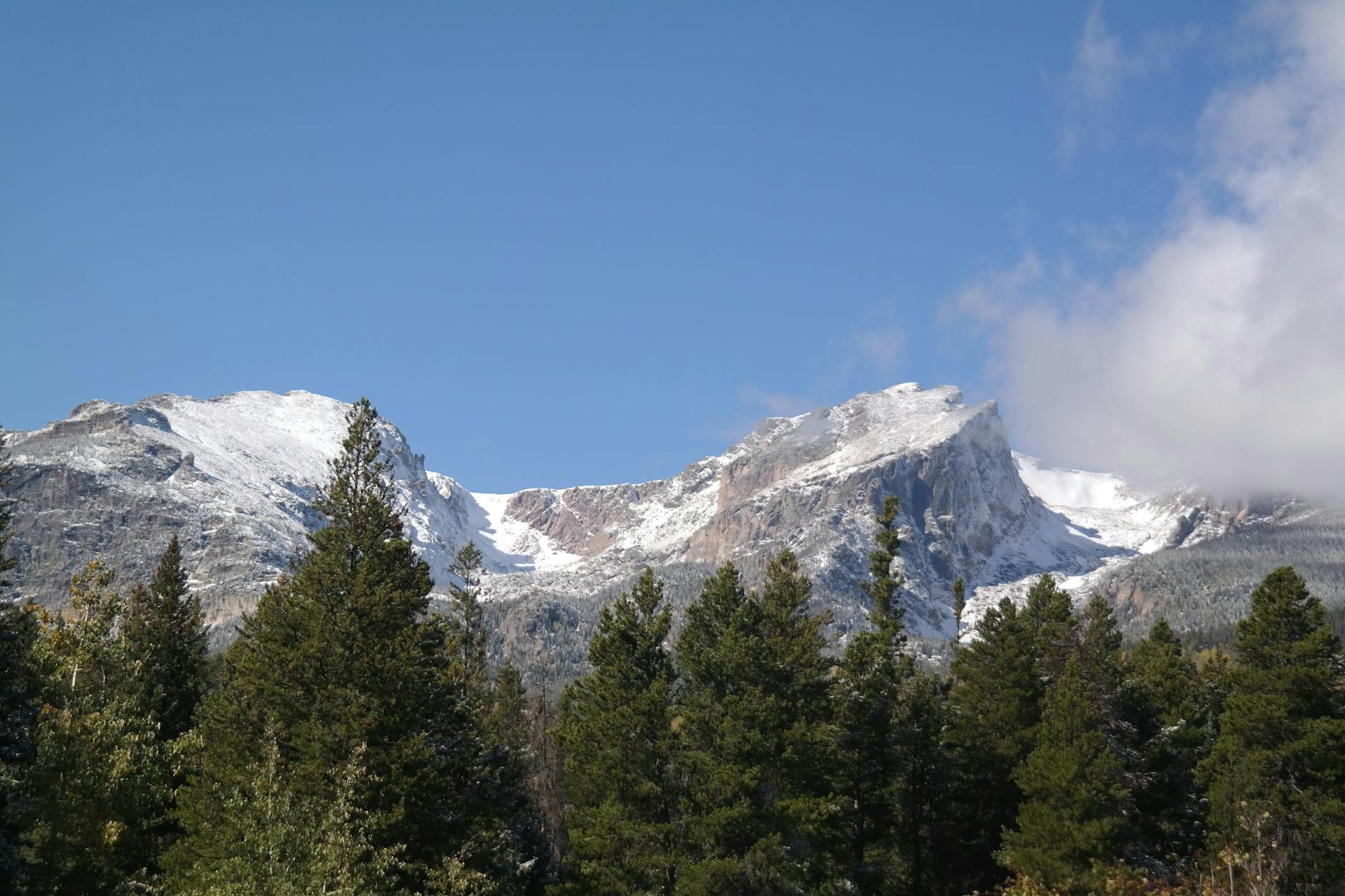
Photo by CARYN MORGAN on Pexels

Rocky Mountain National Park: First-Timer’s Guide

🌍 Plan & Book Your Trip

Compare the best deals for this destination — flights, hotels, tours and more:

Affiliate links — we may earn a commission at no extra cost to you.

Dream Lake — one of dozens of stunning alpine lakes accessible by trail in Rocky Mountain National Park, framed by Hallett Peak and Flattop Mountain.

The first time I drove Trail Ridge Road — America’s highest continuously paved road — I pulled over at a random overlook at 12,000 feet, stepped out into thin air and howling wind, and found myself looking down at the clouds. Not up at clouds. DOWN at them, filling the valleys like cotton while the peaks punched through into crystalline blue above. That moment reframed what I thought a national park could be. If you need a comprehensive rocky mountain national park guide, I’ve visited RMNP across three seasons and made all the altitude mistakes so you can plan a spectacular trip without the headaches (literal and figurative).

Rocky Mountain National Park sits astride the Continental Divide in north-central Colorado, protecting 415 square miles of alpine tundra, glacial lakes, dense evergreen forests, and peaks exceeding 14,000 feet. It’s one of the highest national parks in the system — the park’s average elevation is over 10,000 feet, and Trail Ridge Road reaches 12,183 feet, making it the highest continuous road in the United States.

This altitude is both the park’s greatest gift and its biggest challenge for visitors. The scenery is utterly spectacular — thin air means crystalline visibility, wildflower meadows above treeline feel like another world, and the wildlife (elk herds, bighorn sheep, marmots, pikas) lives at elevations most people only visit briefly. But that same altitude can turn a simple hike into a gasping struggle if you’re not prepared.

Key Takeaways

  • Timed Entry Reservations required from late May through mid-October. Book at recreation.gov (released on a rolling schedule).
  • Altitude affects everyone. The park ranges from 7,800 to 14,259 feet. Acclimate for 24 hours before strenuous activity.
  • Trail Ridge Road is the star attraction — highest continuous paved road in the US (12,183 ft). Open late May through mid-October.
  • Bear Lake area is the most popular — arrive before 7 AM or take the free shuttle.
  • Elk are everywhere in fall (September-October). The elk rut/bugling season is magical.
  • Weather is extreme and fast-changing. Lightning storms build almost daily in summer by early afternoon. Start hikes early.
  • Best months: June-September for most activities. July for wildflowers. September-October for elk and fall color.
  • Denver is only 90 minutes away — making this an easy add-on to any Colorado trip.

Quick Facts

DetailInfo
LocationNorth-central Colorado (Estes Park east side, Grand Lake west side)
Size265,807 acres (415 square miles)
Highest peakLongs Peak: 14,259 ft (4,346 m)
Trail Ridge Road summit12,183 ft (3,713 m)
Average elevation10,000+ feet across the park
Annual visitors~4.3 million
Best monthsJune–October (full access); January–April (limited, snow activities)
Timed entryRequired late May–mid-October
Entrance fee$30/vehicle for 7 days (or America the Beautiful Pass)
Gateway townsEstes Park (east), Grand Lake (west)
Miles of trails355+
Campgrounds5 (reservations recommended — book months ahead)

Understanding the Timed Entry System

Rocky Mountain implemented a timed entry reservation system to manage overcrowding, and it’s been extended each year since. Here’s how it works:

How Timed Entry Works

  • Two reservation windows:
  • Bear Lake Road Corridor (most popular — gives access to Bear Lake, Glacier Gorge, park-and-ride) — released 30 days in advance at recreation.gov
  • Rest of Park (everything else including Trail Ridge Road) — also 30 days in advance
  • Cost: $2 per vehicle (on top of park entrance fee)
  • Window: Your reservation gives you a 2-hour arrival window (e.g., 5-7 AM, 9-11 AM)
  • No reservation needed before 5 AM or after 3 PM (in most years — verify current rules)

My Strategy for Getting Reservations

  • Set a calendar reminder for exactly 30 days before your planned visit
  • Reservations release at 8:00 AM Mountain Time — log in at 7:55 AM
  • Bear Lake corridor (the most desirable) sells out within minutes for weekends
  • Weekdays are significantly easier to book
  • If you miss the 30-day window, cancellations occasionally appear 1-2 days before

Pro Tip: Skip the Reservation

If you arrive before 5 AM (varies by year), no reservation is needed. This is the best strategy for:

  • Bear Lake sunrise photography
  • Early-start hikes (Longs Peak, Flattop Mountain)
  • Avoiding crowds entirely at popular trails

Trail Ridge Road: America’s Highway to the Sky

Trail Ridge Road is the single most spectacular scenic drive I’ve experienced in any US national park — and yes, I’m including Going-to-the-Sun Road in Glacier.

What Makes It Special

  • Climbs above treeline for 11 continuous miles — the longest stretch of above-timberline highway in the US
  • Maximum elevation: 12,183 feet (Alpine Visitor Center)
  • Crosses the Continental Divide at Milner Pass (10,758 feet)
  • Provides access to alpine tundra without hiking — wheelchair-accessible viewpoints above 12,000 feet
  • Wildlife: elk, marmots, pikas, and bighorn sheep visible from pullouts

Best Stops on Trail Ridge Road

StopElevationHighlight
Many Parks Curve9,640 ftFirst big panoramic viewpoint of the eastern valleys
Rainbow Curve10,829 ftTreeline transition — dramatic weather divide
Forest Canyon Overlook11,716 ftLook down into a glacially carved canyon
Rock Cut12,110 ftShort tundra trail to Toll Memorial — panoramic views
Alpine Visitor Center11,796 ftHighest visitor center in the NPS — gift shop, exhibits, food
Medicine Bow Curve11,640 ftViews of the Never Summer Mountains
Milner Pass10,758 ftContinental Divide — water flows to both oceans from here

Trail Ridge Road Tips

  • Allow 3-4 hours minimum for the full 48-mile crossing (Estes Park to Grand Lake) with stops
  • Weather changes instantly above treeline — bring warm layers even in July (can be 40°F and windy at 12,000 ft when it’s 80°F in town)
  • Lightning danger is real above treeline — if storms build (typically after 12 PM in summer), head below treeline
  • Altitude symptoms common — dizziness, shortness of breath, headache are normal at 12,000 feet. Don’t panic, but move slowly
  • Opens late May/early June depending on snowpack — check nps.gov/romo for current status
  • Closes mid-October (sometimes earlier for early snowstorms)
  • Gas up before driving — no services between Estes Park and Grand Lake

Best Hikes in Rocky Mountain National Park

Easy Hikes (Family-Friendly, Under 5 Miles)

HikeDistanceGainHighlight
Bear Lake Loop0.6 milesFlatStunning alpine lake, wheelchair-accessible, Longs Peak views
Sprague Lake Loop0.9 milesFlatPeaceful lake with mountain reflections, fully accessible
Alberta Falls1.6 miles RT200 ftBeautiful waterfall through pine forest — great for kids
Gem Lake3.4 miles RT1,000 ftUnique rock formations + hidden lake at Lumpy Ridge
Tundra Communities Trail1 mile RT200 ftPaved trail above treeline at Rock Cut (12,000+ ft) — highest easy trail

Moderate Hikes (Half-Day, Significant Effort)

HikeDistanceGainHighlight
Dream Lake2.2 miles RT425 ftMost photographed lake in the park — dramatic mountain backdrop
Emerald Lake3.6 miles RT650 ftContinues past Dream Lake to a stunning emerald-colored cirque lake
Lake Haiyaha4.4 miles RT1,030 ftLess crowded alpine lake with massive boulder field shore
Sky Pond9.4 miles RT1,700 ftTHE best hike in the park — waterfall, lakes, glacial cirque. Requires scramble past Timberline Falls
Flattop Mountain8.8 miles RT2,849 ftSummit with Continental Divide views — above treeline ridge walk

Hard Hikes (Full Day, Expert Level)

HikeDistanceGainHighlight
Longs Peak (Keyhole Route)14.5 miles RT4,855 ftColorado 14er — Class 3 scrambling, start at 3 AM, summit by noon
Chasm Lake8.4 miles RT2,360 ftDramatic cirque lake below Longs Peak’s Diamond face
Hallett Peak10 miles RT3,238 ftSummit scramble with 360° views from Flattop ridge

My Top Recommendation: Sky Pond

If you do ONE hike in Rocky Mountain National Park, make it Sky Pond. The 9.4-mile round trip from the Glacier Gorge trailhead takes you past Alberta Falls, through The Loch (a beautiful alpine lake), up a scramble past Timberline Falls (the most fun obstacle on any park trail), to the Glass Lake, and finally to Sky Pond — a glacial cirque lake surrounded by 1,000-foot cliffs on three sides with the Taylor Glacier hanging above.

It’s genuinely one of the best day hikes I’ve done anywhere. The variety of scenery is extraordinary — waterfall, forest, subalpine lake, scramble, alpine tundra, and glacial cirque all in one 9-mile package.

Tips for Sky Pond:

  • Start by 6 AM to avoid afternoon lightning above treeline
  • The Timberline Falls scramble requires using hands — not suitable for those afraid of heights or slippery rock
  • Trekking poles helpful for the rocky upper section
  • Bring layers — wind at Sky Pond can be fierce
  • Timed entry reservation needed for Glacier Gorge trailhead access

Altitude Warning: Take This Seriously

Rocky Mountain National Park’s average elevation exceeds 10,000 feet — higher than where most visitors live. Even basic activities like walking from the parking lot to a viewpoint can leave you winded.

Altitude Effects by Elevation

ElevationWhat to ExpectPrecautions
7,800-9,000 ft (Estes Park, park entrances)Mild — slightly increased heart rateHydrate more than usual
9,000-11,000 ft (Bear Lake, most trails)Moderate — noticeable breathlessness, possible headacheMove 30% slower than normal, extra water
11,000-12,000 ft (Trail Ridge Road, above treeline)Significant — even walking is harder, headache commonDon’t rush, sit if dizzy, descend if symptoms worsen
12,000-14,000 ft (Summit hikes, alpine tundra)Serious — altitude sickness possible, impaired judgmentOnly attempt if acclimated, start very early, know AMS symptoms

Acclimatization Tips

  1. Spend your first night at Estes Park elevation (7,500 ft) before going higher
  2. Wait 24 hours before attempting any hike with significant elevation gain
  3. Hydrate aggressively — drink 3+ liters per day (altitude increases fluid loss)
  4. Avoid alcohol for the first 24 hours at elevation (worsens symptoms)
  5. Eat light meals — digestion is harder at altitude
  6. If headache develops: Ibuprofen helps, but if symptoms worsen, descend 1,000-2,000 feet
Coming from Denver (5,280 ft)? You’ll feel the jump to 9,000+ feet. Coming from sea level? You’ll feel it MUCH more. Plan accordingly.

Wildlife: Elk, Bighorn Sheep, and More

Rocky Mountain is one of the best national parks for wildlife viewing, particularly large mammals.

Elk (The Star Attraction)

  • Population: 600-800 elk live in the park
  • Best viewing: September-October during the rut (mating season)
  • Where: Moraine Park, Horseshoe Park, Kawuneeche Valley
  • The elk rut: Males bugle (an eerie, haunting call), spar with antlers, and gather harems. It’s one of the most dramatic wildlife spectacles in the US.
  • Safety: Stay 75 feet away minimum. Bull elk are aggressive during rut season.

Bighorn Sheep

  • Where: Sheep Lakes (spring), Trail Ridge Road (summer above treeline)
  • Best viewing: May-June at Sheep Lakes mineral lick

Other Wildlife

AnimalWhereWhen
MooseKawuneeche Valley (west side)Dawn/dusk year-round
MarmotsAbove treeline, rocky areasSummer (hibernate winter)
PikasRocky talus fields above treelineSummer (listen for their “eek!” call)
Black bearsThroughout park, forested areasSpring-fall (rare sightings)
Mule deerEverywhere, especially meadow edgesDawn/dusk year-round

When to Visit Rocky Mountain National Park

SeasonProsConsBest For
JuneWaterfalls at peak, wildflowers starting, snow meltingHigher trails still snowy, Trail Ridge may have late openingWaterfalls, mixed snow/green scenery
July-AugustEverything open, wildflowers peak, warmest weatherMost crowded, afternoon storms daily, timed entry hardest to getHiking, wildflowers, full trail access
September-OctoberElk rut, fall colors (aspens), fewer crowds, clear skiesShorter days, cold nights, Trail Ridge closes mid-OctElk viewing, photography, fall color
November-AprilSolitude, snowshoeing, no timed entryTrail Ridge closed, many trails snowbound, very coldSnowshoeing, winter photography, solitude

A Quick Reflection

September in Rocky Mountain National Park. Dusk. I was parked at the edge of Moraine Park meadow when the first bugle echoed across the valley — a high-pitched, almost alien sound that started as a whistle and descended into a guttural growl.

Then another bull answered from across the meadow. And another. Within minutes, the entire valley was alive with their calls — this primal, prehistoric sound bouncing off the mountains while the aspens glowed gold in the fading light. A massive 6×6 bull elk (that’s six points on each antler) stepped out of the treeline barely 100 yards from my car, his breath steaming in the cooling air, neck swollen with testosterone, raking his antlers through a shrub to display his power.

I sat there for over an hour, barely breathing, watching this ancient ritual play out against a backdrop of 12,000-foot peaks turning purple in the sunset. No photography captures it. No video conveys the sound vibrating in your chest. It’s the kind of experience that reminds you why we protect these places — not for views, not for Instagram, but because they preserve a world that existed long before us and will continue long after.

That evening in Moraine Park remains one of my most vivid outdoor memories.

Frequently Asked Questions

Before you go, check the timed-entry permit system and conditions on the official Rocky Mountain National Park site.

Final Thoughts

Rocky Mountain National Park delivers something rare among national parks: genuine high-alpine scenery accessible to everyone. Trail Ridge Road puts you above 12,000 feet without hiking a single step. Bear Lake sits at 9,475 feet and is fully wheelchair-accessible with Longs Peak as its backdrop. The elk rut brings primordial drama to roadside meadows every September.

But for hikers, this park is extraordinary. The concentration of alpine lakes, cirques, waterfalls, and above-treeline trails rivals anything in the Rockies. Sky Pond alone is worth the trip. Add the accessibility from Denver (90 minutes), the variety of experiences (wildlife, scenic drives, challenging summits), and the sheer drama of these mountains, and you have one of America’s most complete national parks.

Just remember: this is HIGH country. Respect the altitude, start hikes early (lightning!), and book those timed entry reservations exactly 30 days out. Your lungs will eventually forgive you.

Planning your RMNP trip? Use our Trip Planner to organize your hike list, book reservations, and plan around weather and altitude acclimatization.

Related Reading:

✈️ Planning your trip?

Compare cheap flights, hotels and car rentals for your adventure.

Find Cheap Flights →Compare Hotels →

🌍 Plan & Book Your Trip

Compare the best deals for this destination — flights, hotels, tours and more:

Affiliate links — we may earn a commission at no extra cost to you.

Leave a Comment

Your email address will not be published. Required fields are marked *

Scroll to Top