The Dolomites, Italy: A Hiking & Travel Guide
🌍 Plan & Book Your Trip
Best deals powered by Travelpayouts:
Affiliate links — no extra cost to you.
The pale Dolomite peaks catching the famous rose-pink alpenglow at sunset.
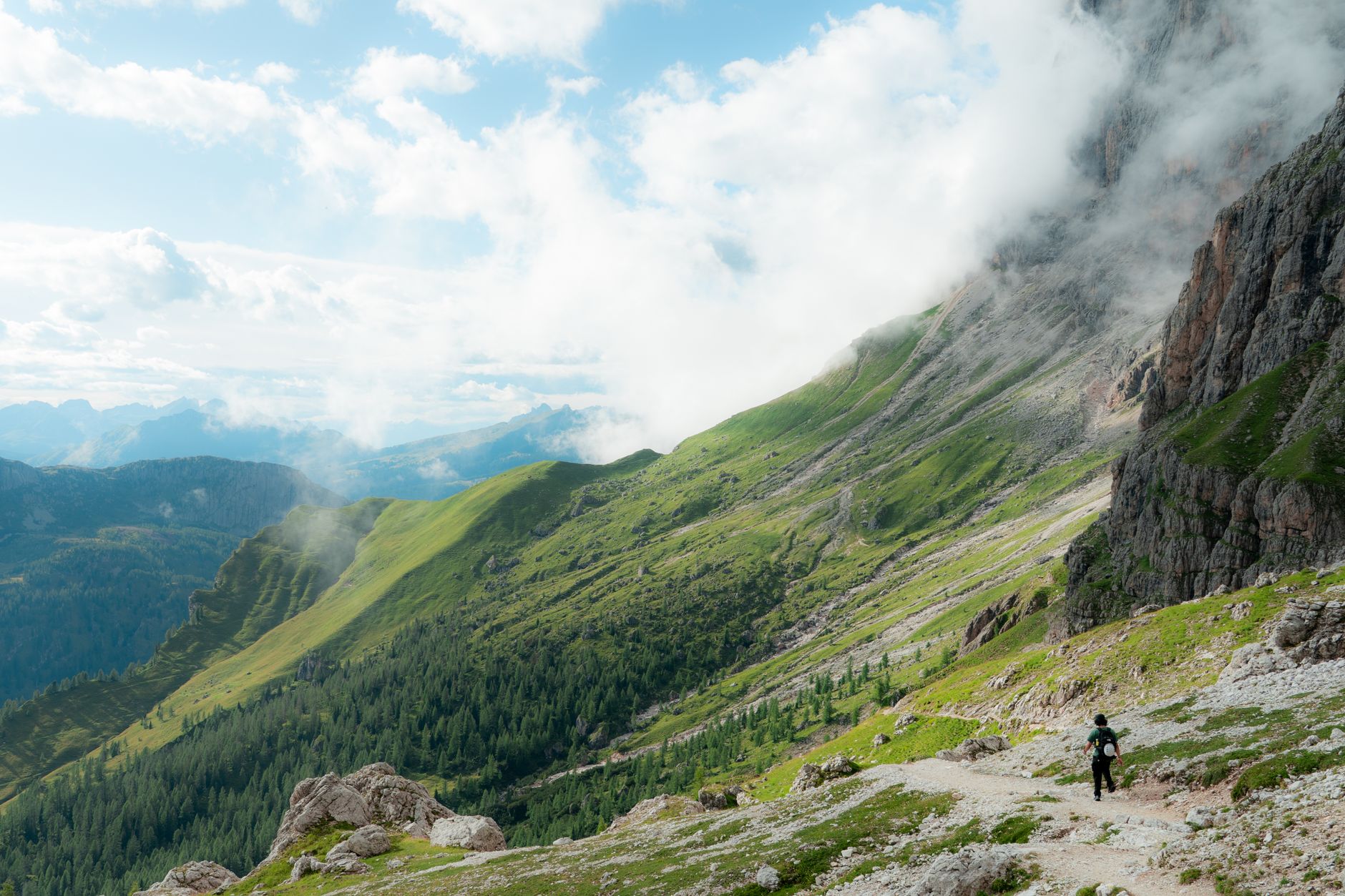
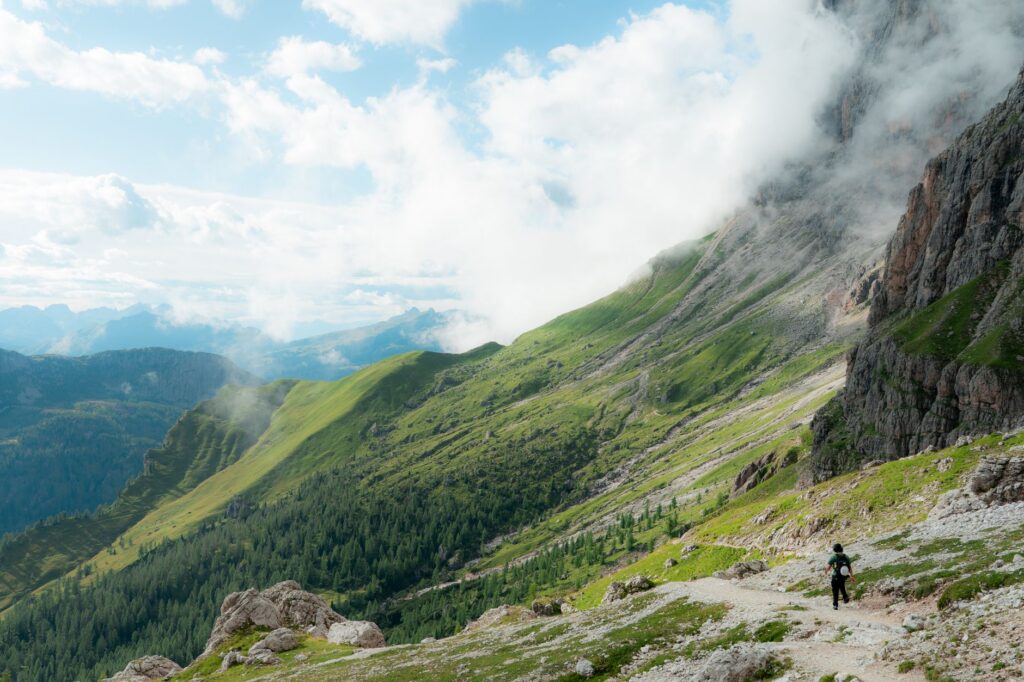
Jagged, pale-grey peaks that blush pink at sunset. Emerald alpine lakes. Cozy mountain huts serving fresh pasta at 2,000 meters. The Dolomites of northern Italy are a UNESCO World Heritage wonderland — and one of the most spectacular hiking destinations on Earth.
For a first-timer, though, the region can be confusing: it spans multiple valleys, a mix of Italian and German-speaking towns, and a maze of cable cars and trails. This guide breaks down where to go, when, and how to make the most of it.
Key Takeaways
- The Dolomites are in northeastern Italy (South Tyrol, Trentino, Veneto).
- Famous for dramatic pale peaks, alpine lakes, and a network of mountain huts (rifugi).
- Summer (June–September) is prime for hiking; winter is world-class skiing.
- A car is the easiest way to explore, though cable cars do a lot of the climbing.
- Don’t miss Lago di Braies, Tre Cime di Lavaredo, and Seceda.
Quick Facts
| 📍 Location | Northeastern Italy (the Alps) |
|---|---|
| 🏔️ Known for | Pale dramatic peaks, alpine lakes, rifugi |
| 🚠 Getting up high | Cable cars & chairlifts (seasonal) |
| 🏘️ Popular bases | Ortisei, Cortina d’Ampezzo, Val Gardena |
| ⏱️ Ideal stay | 4-7 days |
| 🗓️ Best time | Late June–September (hiking) |
How to Get There
The Dolomites don’t have their own major airport, so most travelers fly into a nearby city and drive in. Common gateways include Venice, Verona, Innsbruck (Austria), or Bolzano, followed by a scenic 2-4 hour drive into the mountains depending on your base.
Getting around: A rental car gives you the most flexibility to hop between valleys and trailheads. Public buses do connect towns, but they’re slower. Once you’re up in the mountains, cable cars and chairlifts whisk you to high trailheads, turning epic ridge hikes into accessible day trips.
Where to Base Yourself
The Dolomites are spread across several valleys, so picking a base matters:
- Val Gardena (Ortisei, Selva) — Central, charming, great lift access; a favorite first-timer base.
- Cortina d’Ampezzo — Glamorous resort town near Tre Cime and the eastern Dolomites.
- Alta Badia / Val di Funes — Postcard valleys (Val di Funes has the iconic church-and-peaks view).
- Bolzano — A city base if you prefer urban comforts and day trips.
Best Time to Visit
Summer (late June–September): The prime hiking window. Trails are clear of snow, cable cars run, and the rifugi are open. July and August are busiest (and warmest); September brings thinner crowds and crisp air. This is the season to come for hiking.
Autumn (late September–October): Quieter and beautiful, but lifts and huts begin closing and weather turns. Check what’s still open.
Winter (December–March): A premier skiing destination, home to the famous Dolomiti Superski network. The pale peaks under snow are stunning.
Spring (April–May): A tricky shoulder season — snow lingers at altitude and many lifts/huts are closed. Generally the least ideal for hiking.
The Best Things to Do & Hikes
- Lago di Braies — The “Pearl of the Dolomites,” an impossibly green-blue lake with wooden rowboats and a peak rising behind it. Go at sunrise; access and parking are restricted in peak season, so check the rules.
- Tre Cime di Lavaredo — The three iconic stone towers, circled by one of the most famous and rewarding day-hike loops in the Alps.
- Seceda — A cable car from Ortisei delivers you to a jaw-dropping tilted ridgeline; easy walks lead to unreal viewpoints.
- Alpe di Siusi — Europe’s largest high-alpine meadow, with gentle trails and panoramic peaks.
- Val di Funes — Home to the famous little church framed by the Odle peaks — a photographer’s dream.
- Lago di Sorapis — A milky-turquoise lake reached by a popular (and exposed in spots) hike near Cortina.
Staying in a Rifugio (A Dolomites Must-Do)
One of the most special Dolomites experiences is overnighting in a rifugio — a mountain hut perched high among the peaks. You hike in, sleep in simple dorm-style rooms, and eat hearty local food while watching alpenglow set the cliffs on fire. They’re hugely popular, so book well in advance for summer.
What to Pack
- Layers — mountain weather shifts quickly, and altitude is cold even in summer
- Proper hiking boots with grip
- Rain jacket and warm mid-layer
- Sun protection — UV is strong at altitude
- Cash for some huts and small shops
- A daypack with water and snacks for trail days
Suggested 4-5 Day Itinerary
Basing yourself centrally (Val Gardena works well), here’s a route through the greatest hits:
Day 1 — Settle in & Seceda: Ride the cable car from Ortisei up to Seceda’s dramatic tilted ridge for easy walks and unreal views as you find your altitude legs.
Day 2 — Alpe di Siusi: Wander Europe’s largest high-alpine meadow on gentle trails with peaks in every direction — a relaxed, jaw-dropping day.
Day 3 — Tre Cime di Lavaredo: Drive (or bus) to the trailhead and hike the famous loop around the three stone towers, the signature Dolomites day hike.
Day 4 — Lago di Braies (sunrise) & Val di Funes: Beat the crowds at the emerald lake at dawn, then photograph the iconic little church framed by the Odle peaks.
Day 5 — Lago di Sorapis or a rifugio night: Hike to the milky-turquoise lake near Cortina, or overnight in a mountain hut to catch the alpenglow up high.
A Quick Reflection
I’ll never forget my first Dolomites sunset. I’d hiked up tired and a little skeptical that any mountains could live up to the photos — and then the sun dropped, and the pale cliffs of the Tre Cime turned a glowing rose-pink right in front of me. The Italians call it enrosadira, that alpenglow blush, and watching it with a plate of fresh pasta from the nearby rifugio, I understood instantly why people fall in love with this place. Time your day to catch it.
Best Photo & Sunset Spots
The Dolomites are arguably the most photogenic mountains in Europe, and timing your day around the light makes all the difference. A few favorites:
- Seceda’s ridgeline — the tilted, knife-edge peaks glow in late afternoon and at sunset.
- Tre Cime di Lavaredo — the three towers catch beautiful light at both sunrise and sunset; the Locatelli hut has the classic angle.
- Lago di Braies — best at sunrise, when the lake is glassy, the rowboats are still, and the crowds haven’t arrived.
- Val di Funes — the Santa Maddalena church framed by the Odle peaks is a postcard at sunset.
- Alpe di Siusi — sweeping meadow foregrounds with peaks behind, gorgeous in early-morning mist.
Practical Tips & Mistakes to Avoid
- Use the cable cars — they save your legs for the best high-altitude trails.
- Start early at Lago di Braies and check seasonal access/parking restrictions.
- Book rifugi and summer lodging far ahead — demand is huge.
- Don’t expect everything open in spring — snow lingers and lifts/huts stay closed.
- Respect the mountains — weather changes fast; check forecasts and turn back if needed.
FAQ
What is the best time to visit the Dolomites? Late June through September for hiking, when trails are snow-free and cable cars and mountain huts are open. Winter is ideal if you’re coming to ski.
How many days do you need in the Dolomites? Around 4-7 days lets you explore a couple of valleys, ride the major cable cars, and do several signature hikes without rushing.
Do you need a car in the Dolomites? A car is the easiest way to move between valleys and trailheads. Buses connect the towns but are slower, and cable cars handle most of the climbing once you’re there.
What are the Dolomites famous for? Their dramatic pale limestone peaks, vivid alpine lakes like Lago di Braies, the network of mountain huts (rifugi), and the pink alpenglow that lights up the cliffs at sunset.
Do they speak Italian or German in the Dolomites? Both — and Ladin too. The Dolomites span South Tyrol (where German is widely spoken), Trentino, and Veneto (more Italian-speaking). You’ll see bilingual town names, but English is common in tourist areas, so communication is rarely a problem.
Planning a trip? See the official Dolomiti UNESCO site for trail areas, huts, and seasonal info.
Final Thoughts
The Dolomites reward a little planning with some of the most dramatic scenery in the world — pale peaks, glowing sunsets, turquoise lakes, and trails that feel like a dream. Pick a good valley base, come in summer for the hiking, book your huts early, and make sure you’re up high for at least one sunset. That rose-pink glow on the cliffs will ruin every other mountain range for you, in the best possible way.
Want more bucket-list mountains? See our Banff National Park guide and our epic Iceland Ring Road guide. Map your Dolomites days with our free Trip Planner.
FAQ Schema (paste in a Custom HTML block at the end of the post)
“html “
🌍 Plan & Book Your Trip
Best deals powered by Travelpayouts:
Affiliate links — no extra cost to you.