Capitol Reef National Park Guide: Utah’s Hidden Gem

Capitol Reef National Park Guide: Utah's Hidden Gem
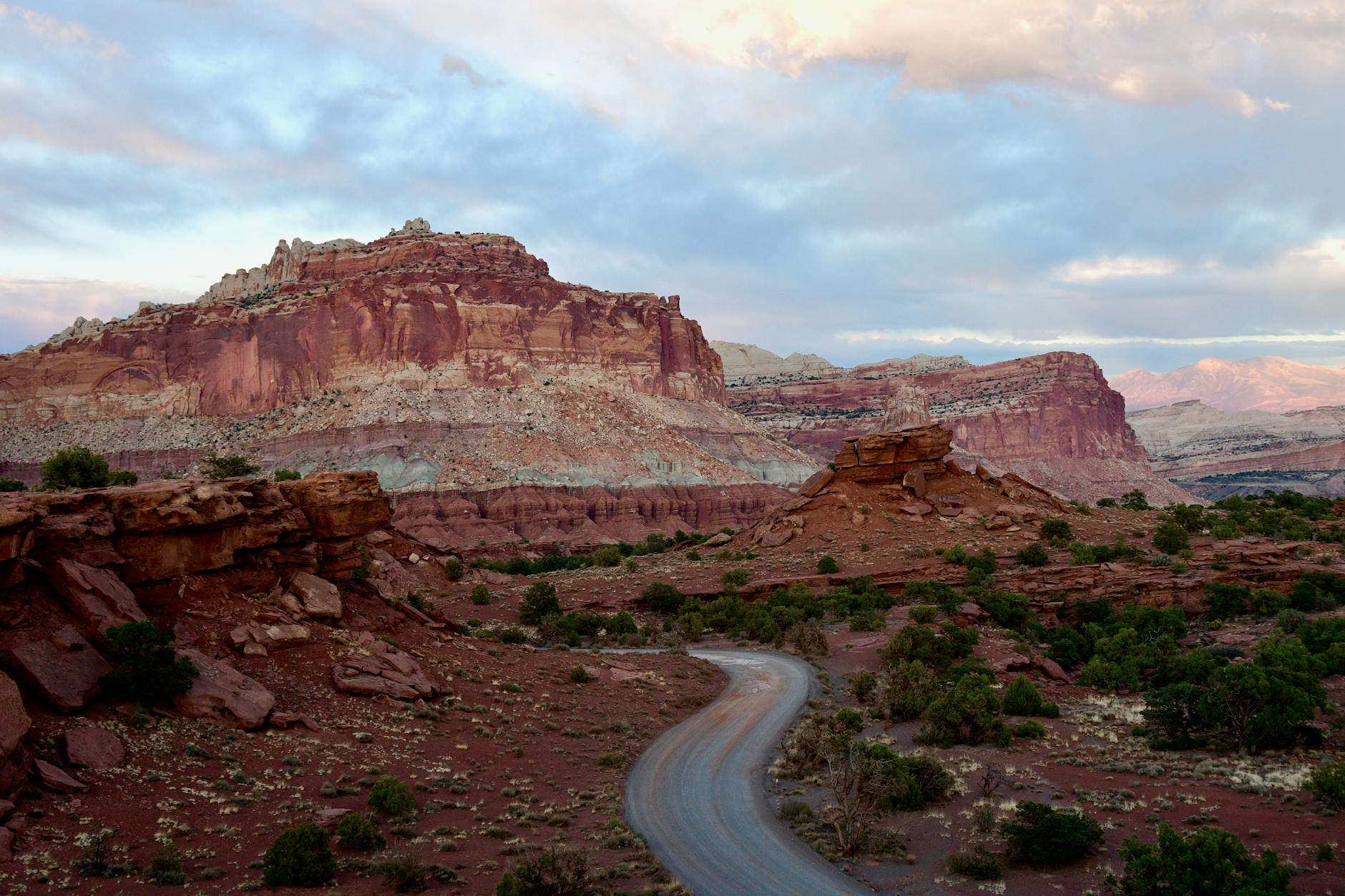
Photo by Colon Freld on Pexels

Capitol Reef National Park Guide: Utah’s Underrated Mighty 5 Park

๐ŸŒ Plan & Book Your Trip

Compare the best deals for this destination โ€” flights, hotels, tours and more:

Affiliate links โ€” we may earn a commission at no extra cost to you.

Capitol Reef stacks red cliffs, white domes, and green orchards into one improbable valley โ€” and it’s the quietest of Utah’s Mighty 5.

The first time I drove into Fruita, I genuinely thought I’d taken a wrong turn. One minute I was surrounded by raw red rock and twisted sandstone, and the next I was rolling past green apple orchards, a one-room schoolhouse, and deer grazing in a meadow with thousand-foot cliffs behind them. That contrast is exactly why this Capitol Reef national park guide exists โ€” because the park gets passed over by people racing between Zion, Bryce, Arches, and Canyonlands, and that’s a genuine mistake. It might be the most surprising park in Utah.

Capitol Reef protects a wrinkle in the earth called the Waterpocket Fold โ€” a 100-mile-long buckle of rock that exposes layer after layer of geologic history. But you don’t need to care about geology to love it. You come for the slot-like canyons, the arches you can hike right up to, the pioneer orchards where you can literally pick your own fruit in season, and the ancient petroglyphs carved into the cliffs. And because it’s a couple hours from the nearest interstate, you get all of it with a fraction of the crowds.

This guide covers how to get there, the best hikes, the Scenic Drive, the orchards, the rock art, when to go, and where to stay โ€” everything I wish I’d known before my first visit.

Key Takeaways

  • Capitol Reef is the least-visited of Utah’s “Mighty 5” โ€” which means real solitude on trails that would have lines anywhere else.
  • Hickman Bridge and Cassidy Arch are the two signature hikes, and they’re very different in difficulty.
  • The Fruita orchards are unique in the park system โ€” you can pick apples, peaches, pears, and cherries in season for a small fee.
  • The Scenic Drive is short but spectacular, with side canyons (Grand Wash, Capitol Gorge) that are worth the detour.
  • Petroglyphs from the Fremont people are visible right off Highway 24 on an easy boardwalk.
  • Spring and fall are ideal. Summer is hot with afternoon flash-flood risk in the canyons.

Quick Facts

DetailInfo
LocationSouth-central Utah (near Torrey)
Nearest townTorrey (~11 miles west)
Closest big airportsSalt Lake City (~3.5 hrs), Las Vegas (~5 hrs)
Entrance feePer-vehicle fee for the Scenic Drive (free to enter on Hwy 24)
Signature hikesHickman Bridge, Cassidy Arch, Grand Wash
Best monthsAprilโ€“May, Septemberโ€“October
Famous forWaterpocket Fold, Fruita orchards, petroglyphs
CrowdsLowest of Utah’s Mighty 5
Time needed1โ€“2 full days
Flash-flood riskHigh in slot canyons during summer monsoon

How to Get to Capitol Reef

Capitol Reef sits in a remote stretch of south-central Utah, and that remoteness is half its charm.

By car: Highway 24 runs straight through the park, and it’s free to drive โ€” you only pay the fee if you take the Scenic Drive past the orchards. Most people arrive from the west via Torrey, the gateway town just 11 miles away with hotels, restaurants, and gas.

From Salt Lake City: About 3.5 hours south โ€” the most common approach if you’re flying in.

From Las Vegas: Roughly 5 hours, often combined with a Zion or Bryce visit on a Mighty 5 road trip.

As part of a road trip: Capitol Reef is the natural midpoint of Utah’s Mighty 5 road trip. It sits between Bryce Canyon to the west and Arches/Canyonlands to the east, so it’s an easy (and rewarding) stop to slot into the route rather than skip.

The #1 thing first-timers get wrong: They treat Capitol Reef as a quick drive-through photo stop. Give it at least a full day. The best parts โ€” Cassidy Arch, the orchards, the petroglyphs โ€” all require getting out of the car.

Driving the Capitol Reef Scenic Drive

The park’s Scenic Drive is only about 8 miles each way, but it’s one of the best short drives in Utah. It branches south from the Fruita area and runs right beneath the towering cliffs of the Waterpocket Fold, paralleling the rock the whole way.

Two unpaved spur roads branch off it, and both are worth your time if conditions are dry:

  • Grand Wash โ€” a flat, easy drive (and hike) into a dramatic canyon with walls that squeeze close together. This is also the access point for Cassidy Arch.
  • Capitol Gorge โ€” a narrow canyon drive that ends at a short trail to the petroglyphs and the historic “Pioneer Register,” where 1800s travelers carved their names into the rock.
The Scenic Drive requires a per-vehicle fee (or your America the Beautiful pass). Check the current road status before you go โ€” the dirt spurs close after rain and can be impassable to low-clearance cars.

The Best Hikes in Capitol Reef

The trails here punch well above the park’s reputation. Here are the ones I’d prioritize, in roughly the order I’d do them.

1. Hickman Bridge โ€” The Classic Family Hike

DetailInfo
Distance1.7 miles round trip
Elevation gain~400 feet
DifficultyEasy-Moderate
TrailheadOff Highway 24 (free)
Best forFirst-timers, families, a quick win
Hickman Bridge is the park’s signature easy hike โ€” a natural bridge with a 133-foot span that you walk right underneath. The trail climbs gently from Highway 24, passes a small Fremont granary tucked into the cliff, and loops around the bridge itself.

Why I love it: It delivers a genuine “wow” payoff for very little effort, and it’s free (no Scenic Drive fee needed). Standing under that enormous span of rock with the sky framed inside it is the kind of thing photos never quite capture.

Tips:

  • Go early or late โ€” there’s almost no shade and the trail bakes midday.
  • The interpretive signs are actually worth reading; this is a great intro to the park’s geology.

2. Cassidy Arch โ€” The Best Payoff in the Park

DetailInfo
Distance~3.4 miles round trip
Elevation gain~670 feet
DifficultyModerate-Hard
TrailheadGrand Wash (off Scenic Drive)
Best forThe standout view + standing on an arch
Named for outlaw Butch Cassidy, who supposedly used these canyons as a hideout, this trail climbs out of Grand Wash and up the canyon wall to one of the most unusual arches anywhere โ€” one you can actually walk out on top of. Looking down through the arch to the canyon floor far below is a real heart-in-your-throat moment.

Why I love it: It combines a fun canyon approach, a steady climb with constantly improving views, and a genuinely thrilling finish. It’s the hike people remember from Capitol Reef.

Tips:

  • The slickrock route is marked with cairns โ€” pay attention so you don’t wander off-route.
  • The edge of the arch has no railing. Mind your footing and keep kids close.
  • Pair it with a flat stroll into Grand Wash itself (see below) for a half-day combo.

3. Grand Wash โ€” The Easy Canyon Walk

DetailInfo
Distance~4.4 miles round trip (or shorter)
Elevation gainMinimal (flat)
DifficultyEasy
TrailheadGrand Wash (off Scenic Drive)
Best forBeginners, families, big walls with no climbing
Grand Wash is a flat, sandy walk through a deep canyon where the walls pinch to just a few feet apart in “The Narrows” section. There’s no elevation to speak of, which makes it perfect for kids or anyone who wants drama without effort.

Why I love it: It’s the easiest way to feel completely swallowed by the rock. The towering walls and the cool shade make it a great midday option when the exposed trails are too hot.

Tips:

  • Never enter when rain is forecast โ€” this is a textbook flash-flood canyon.
  • You can do an out-and-back of any length; even the first mile is worth it.

4. Capitol Gorge & The Pioneer Register

DetailInfo
Distance~2 miles round trip (to the Tanks)
Elevation gainMinimal to moderate
DifficultyEasy-Moderate
TrailheadEnd of Capitol Gorge Road
Best forHistory buffs and a glimpse of “the Tanks”
At the end of the Capitol Gorge spur road, an easy trail follows the historic wagon route through the canyon. Along the way you’ll spot the Pioneer Register โ€” names and dates etched by 19th-century settlers โ€” alongside older Fremont petroglyphs. Continue a bit farther and a short, steeper side trail climbs to “the Tanks,” natural water pockets in the rock (the “waterpockets” the fold is named for).

Why I love it: It’s a layered history lesson carved straight into the canyon walls, and the kids-can-do-it terrain makes it accessible to almost everyone.

5. Chimney Rock Loop โ€” The Big-View Option

DetailInfo
Distance~3.6 miles loop
Elevation gain~590 feet
DifficultyModerate
TrailheadChimney Rock (off Highway 24)
Best forPanoramic views and fewer people
This loop climbs above the highway for sweeping views over the layered cliffs and the distinctive Chimney Rock spire. It’s more exposed and a bit more work than the canyon hikes, but the panoramas are some of the best in the park โ€” and you’ll often have them mostly to yourself.

Tips:

  • Start early. There’s no shade and the climb is the hottest part.
  • Beautiful at sunset, but carry a headlamp for the descent.

Comparison: Which Capitol Reef Hike Should You Choose?

If You Want…Do This HikeWhy
A quick, easy winHickman BridgeBig payoff, short distance, free
The standout thrillCassidy ArchStand on top of an arch
Drama with no effortGrand WashTowering walls, flat trail
History & rock artCapitol GorgePetroglyphs + Pioneer Register
The biggest viewsChimney Rock LoopPanoramas, solitude

The Fruita Orchards โ€” Capitol Reef’s Secret Weapon

Here’s the thing almost nobody expects from a desert national park: you can pick your own fruit. The historic community of Fruita, settled by Mormon pioneers in the late 1800s, left behind around 2,000 fruit trees that the National Park Service still maintains.

During harvest season, you can wander into the open orchards, grab a ladder and a picking bag, and gather apples, peaches, pears, apricots, and cherries โ€” paying a small per-pound fee at a self-serve station. Eating fruit you just picked while standing under red cliffs is one of the most unexpectedly joyful things you can do in any national park.

What to know:

  • Harvest timing varies by fruit and year โ€” cherries and apricots come early summer, apples and pears in fall. Check the current season at the visitor center.
  • You can eat ripe fruit for free while inside an orchard; you only pay for what you carry out.
  • Don’t skip the Gifford Homestead nearby for fresh-baked mini fruit pies and homemade ice cream. The pies sell out โ€” go early.

The Petroglyphs & Fremont History

Long before the pioneers, the Fremont people lived in this valley, farming the floodplain and leaving behind striking rock art. The easiest place to see it is the Petroglyph Panels right off Highway 24, just east of the visitor center, where a flat boardwalk leads to cliff walls covered in carved figures โ€” broad-shouldered humanlike shapes, bighorn sheep, and geometric designs.

It’s a five-minute walk and completely free, yet most rushing visitors blow right past it. Bring binoculars or a zoom lens; some of the best figures are high on the wall. Standing there, looking at art that’s roughly a thousand years old, is a quiet, humbling counterpoint to all the geology.

Best Time to Visit Capitol Reef

Spring (Aprilโ€“May): My top pick. Comfortable temperatures, blooming orchards, and flowing water in the washes. Trails are in great shape.

Fall (Septemberโ€“October): The other ideal window โ€” apple harvest in the orchards, cooler hiking weather, and golden cottonwoods along the river. Crisp and gorgeous.

Summer (Juneโ€“August): Hot, with highs often in the 90sยฐF and intense sun. Worse, the monsoon season (roughly Julyโ€“September) brings sudden afternoon thunderstorms and serious flash-flood risk in Grand Wash and Capitol Gorge. Hike early, watch the sky, and never enter a slot canyon under storm threat.

Winter (Decemberโ€“February): Quiet and cold, with occasional snow dusting the red rock โ€” beautiful and almost empty. Some dirt roads may be impassable, and high trails can be icy.

Where to Stay Near Capitol Reef

  • Torrey โ€” The main gateway, 11 miles west, with the best range of hotels, lodges, restaurants, and gas. This is where most people base.
  • Fruita Campground โ€” The park’s only developed campground, set right among the orchards along the river. Shady, scenic, and popular โ€” reserve well ahead in spring and fall.
  • Bicknell & Loa โ€” Smaller towns farther west with budget-friendly motels.
  • Dispersed camping โ€” Available on nearby BLM and Forest Service land for those with the right setup; verify current rules.

What to Pack & Safety Tips

  • 2โ€“3 liters of water minimum โ€” the dry desert air dehydrates you fast
  • Sun protection โ€” hat, sunglasses, SPF; shade is scarce
  • Grippy shoes for slickrock on Cassidy Arch
  • A headlamp for sunrise or sunset hikes
  • Weather awareness โ€” check the forecast and never enter Grand Wash or Capitol Gorge if storms are possible
  • A full gas tank โ€” services are limited and distances between towns are long
For a complete checklist, see our ultimate hiking packing list.

A Quick Reflection

On my last evening in the park, I almost skipped dinner to make it back to the Petroglyph Panels at golden hour. The light was doing that thing it does in Utah โ€” turning the cliffs the color of hot coals โ€” and the carved figures seemed to glow on the wall.

I was the only person there. A canyon wren was singing somewhere up in the rocks, that long falling trill that sounds like the desert sighing. I stood looking at those thousand-year-old figures, thinking about the people who farmed this exact valley, picked fruit from these same kinds of trees, and watched this same light fade off the same cliffs.

That’s what Capitol Reef does that the busier parks can’t. It gives you room to feel small in the best way. No shuttle lines, no jostling for the photo, no rush โ€” just you, the rock, and a thousand years of quiet. I drove back to Torrey in the dark, completely content, already planning when I’d return.

Frequently Asked Questions

Is Capitol Reef worth visiting? Absolutely. It’s the least crowded of Utah’s Mighty 5, yet it offers world-class hikes (Cassidy Arch, Hickman Bridge), a one-of-a-kind pioneer orchard where you can pick fruit, ancient petroglyphs, and a stunning Scenic Drive. The lack of crowds makes the experience feel more personal than Zion or Arches.

How much time do you need at Capitol Reef? One full day covers the highlights โ€” Hickman Bridge, the Scenic Drive, the orchards, and the petroglyphs. Two days lets you add Cassidy Arch, Grand Wash, and the Chimney Rock Loop without rushing. It pairs perfectly into a multi-park Utah road trip.

What is Capitol Reef known for? Capitol Reef protects the Waterpocket Fold, a 100-mile buckle in the earth’s crust. It’s famous for its dramatic red-and-white cliffs, the historic Fruita fruit orchards (where you can pick your own fruit in season), Fremont petroglyphs, and uncrowded hiking trails like Cassidy Arch and Hickman Bridge.

Do you have to pay to enter Capitol Reef? Driving through on Highway 24 โ€” which accesses Hickman Bridge, the petroglyphs, and the visitor center โ€” is free. You only pay a per-vehicle fee (or use an America the Beautiful pass) to drive the Scenic Drive past the orchards, where Grand Wash and Capitol Gorge begin.

Always confirm fees, road conditions, and the orchard harvest schedule at the official National Park Service Capitol Reef site before you go.

Final Thoughts

Capitol Reef is the park I recommend to people who think they’ve “done Utah.” It rewards anyone willing to slow down โ€” to walk under Hickman Bridge, scramble up to Cassidy Arch, pick an apple in Fruita, and read names carved into the rock by people who passed through a century ago. It’s quieter, weirder, and more human than its famous neighbors, and that’s exactly why it sticks with you.

Give it a full day, ideally two. Get there early, carry water, watch the sky in summer, and don’t skip the orchards or the pie. Utah’s most underrated park is waiting, and it has a lot more room for you than the crowded ones do.

Planning your Utah trip? Use our Trip Planner to map your trailheads, build a hike list, and plan around the seasons and flash-flood risk.

Related Reading:

โœˆ๏ธ Planning your trip?

Compare cheap flights, hotels and car rentals for your adventure.

Find Cheap Flights →Compare Hotels →

๐ŸŒ Plan & Book Your Trip

Compare the best deals for this destination โ€” flights, hotels, tours and more:

Affiliate links โ€” we may earn a commission at no extra cost to you.

Leave a Comment

Your email address will not be published. Required fields are marked *

Scroll to Top