Canyonlands vs Grand Canyon: Which Should You Visit?
🌍 Plan & Book Your Trip
Best deals powered by Travelpayouts:
Affiliate links — no extra cost to you.
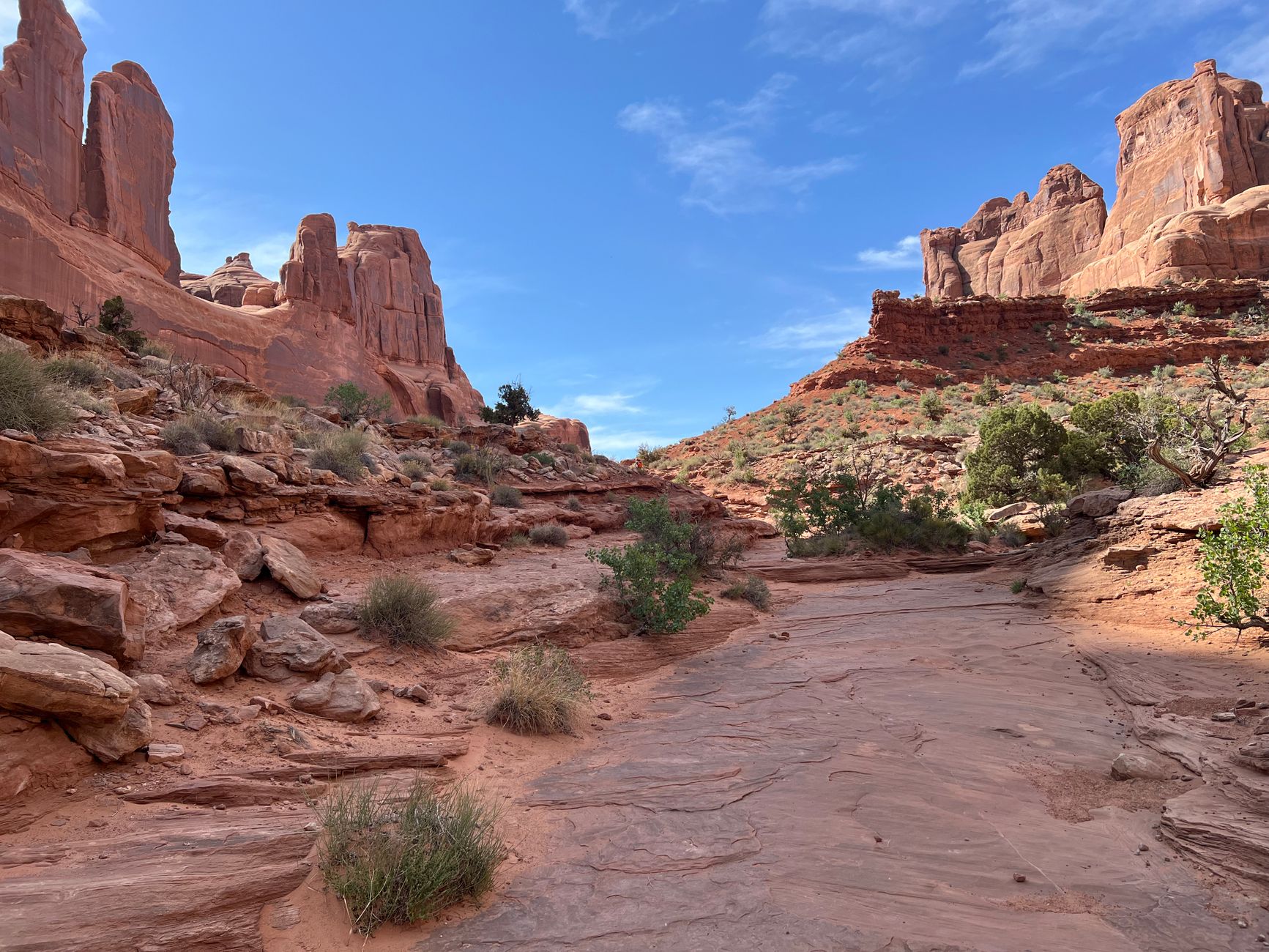
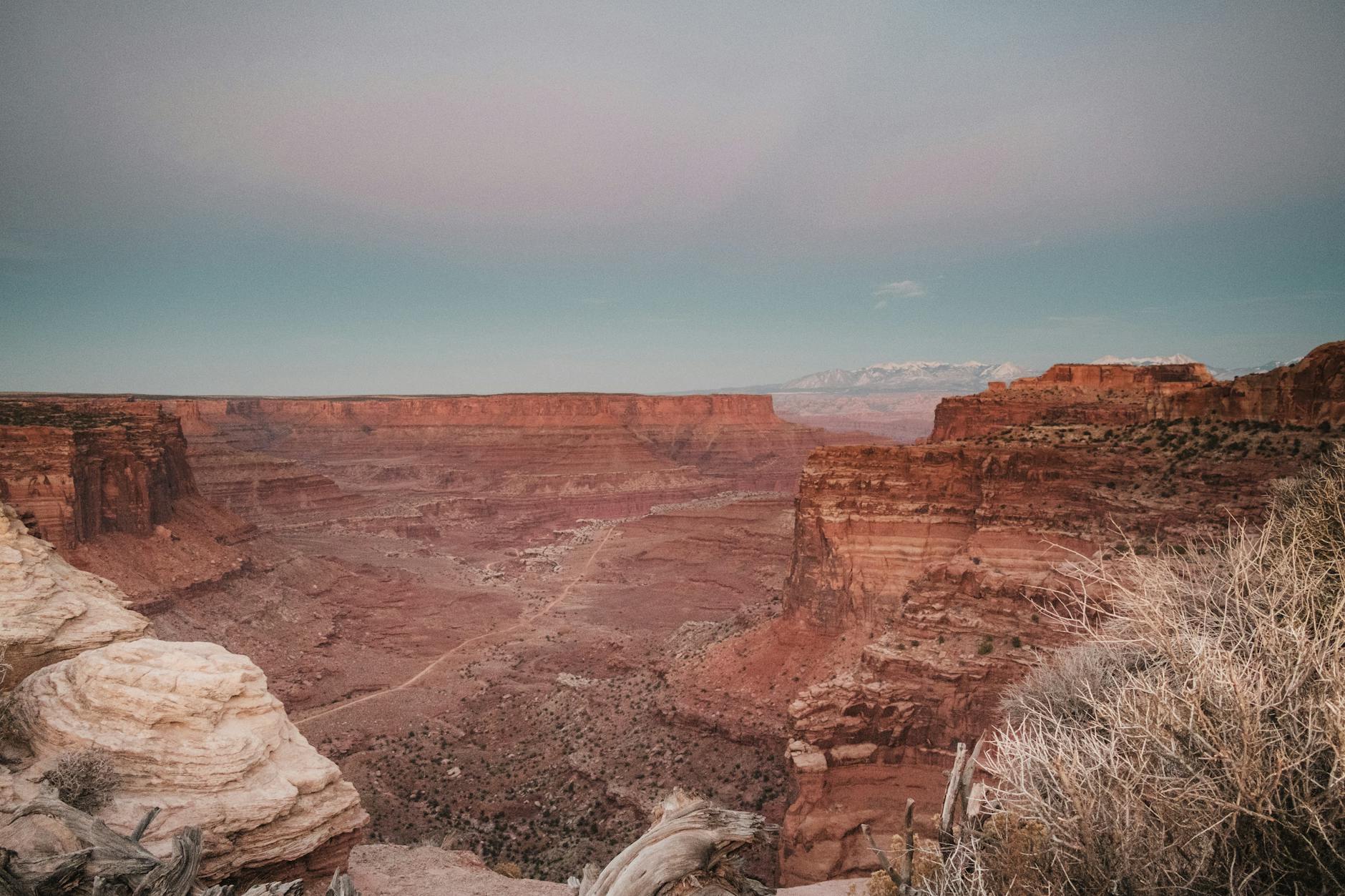
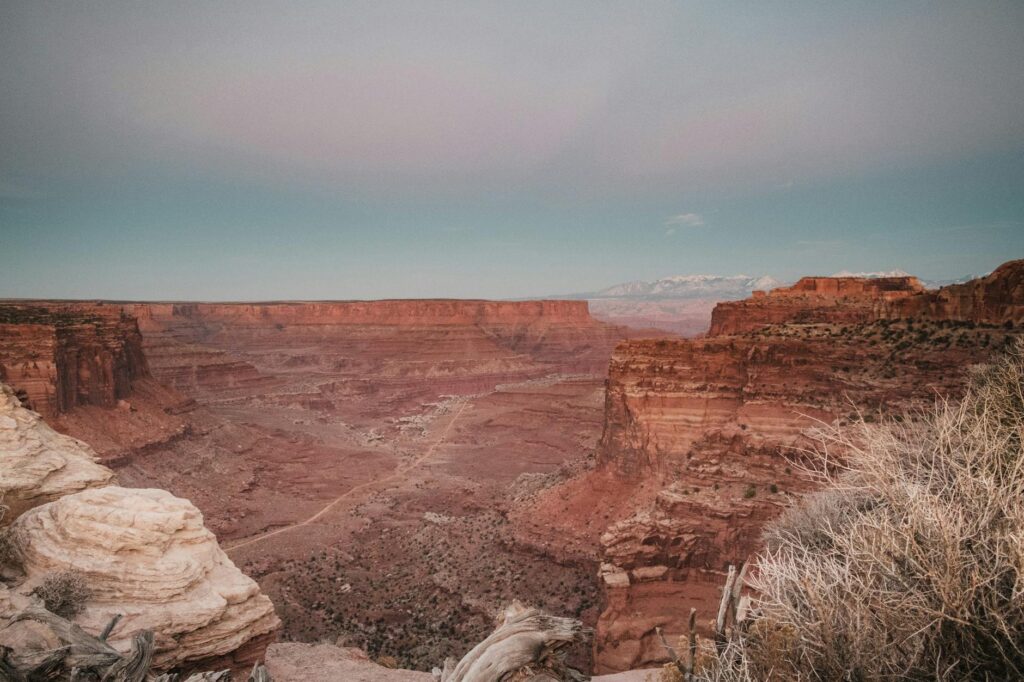
Canyonlands’ Mesa Arch (left) vs the Grand Canyon (right).
Two legendary American canyons, two completely different vibes. One is the most famous chasm on Earth, packed with viewpoints and visitors. The other is a vast, rugged maze of mesas and buttes where you can stand at an overlook in near-total silence. So in the Canyonlands vs Grand Canyon showdown, which deserves your precious vacation days?
I’ve stood on the rim of both, and the honest answer is they scratch very different itches. Let’s break it down so you can pick the right one — or plan to see both.
Key Takeaways
- The Grand Canyon is bigger, deeper, more famous, and far more crowded.
- Canyonlands is more rugged, remote, and peaceful, split into separate districts.
- Grand Canyon = iconic single chasm; Canyonlands = sprawling maze of canyons and mesas.
- They’re about 5-6 hours apart by car — combining them takes planning.
- For an easy, awe-inspiring first canyon trip, most people pick the Grand Canyon.
The Quick Verdict (At a Glance)
| Grand Canyon NP | Canyonlands NP | |
|---|---|---|
| Scale | Enormous, single deep canyon | Vast network of canyons & mesas |
| Fame & crowds | World-famous, very busy | Quieter, less developed |
| Signature spot | South Rim viewpoints | Mesa Arch, Island in the Sky |
| Ease of visiting | Very easy (shuttles, services) | More rugged, self-reliant |
| Best for | First-timers, iconic views | Solitude seekers, road-trippers |
| Time needed | 1-3 days | 1-2 days (per district) |
| Nearest hub | Flagstaff/Las Vegas | Moab, Utah |
Scenery: One Giant Chasm vs a Canyon Maze
The Grand Canyon is exactly what its name promises — a single, mile-deep, 277-mile-long chasm so vast it bends your sense of scale. Standing at the South Rim for the first time genuinely takes your breath away. It’s the canyon every other canyon gets compared to.
Canyonlands is different. Instead of one big gorge, it’s a sprawling, eroded landscape of countless canyons, mesas, buttes, and spires carved by the Colorado and Green Rivers. It feels wilder, emptier, and more like an untamed frontier. In short, Canyonlands spreads out into a vast open basin of carved rock, while the Grand Canyon is a deeper, more concentrated series of canyons — and the Grand Canyon is much larger overall.
Grand Canyon = one overwhelming masterpiece. Canyonlands = an endless, rugged sculpture garden.
The Districts (This Trips People Up)
Here’s something first-timers miss: Canyonlands is split into separate districts that don’t connect by road inside the park.
- Island in the Sky — The most popular and accessible district (closest to Moab); home to Mesa Arch and sweeping overlooks. Best for a short visit.
- The Needles — Colorful rock spires and excellent backcountry hiking; more remote.
- The Maze — Extremely remote and rugged; for experienced, well-equipped adventurers only.
The Grand Canyon also has rims that are far apart: the busy South Rim (open year-round, most facilities) and the higher, quieter North Rim (seasonal, closes in winter). They’re hours apart by car.
Hiking
Grand Canyon hikes are dramatic and demanding — trails like Bright Angel and South Kaibab plunge below the rim. Remember: going down is the easy half; climbing back out in the heat is the hard part. Even short rim-to-river attempts should be taken seriously.
Canyonlands offers everything from the easy, iconic short walk to Mesa Arch (especially magical at sunrise) to rugged multi-day backcountry routes in The Needles and The Maze. It rewards self-reliant hikers who like solitude.
Crowds & Accessibility
This is a big practical difference. The Grand Canyon is one of the most visited national parks in the world — the South Rim has shuttles, lodges, restaurants, and lots of people, especially in summer. It’s incredibly easy to visit, but you’ll share the views.
Canyonlands sees a fraction of the crowds. Services are minimal, distances between viewpoints are larger, and you’ll want a full tank of gas, plenty of water, and a sense of self-sufficiency. The payoff is solitude and a wilder feel.
When to Visit
- Spring (April–May): Ideal for both — mild temps before the desert heat arrives.
- Summer (June–August): Brutally hot at both, especially in the canyons. Hike at dawn, carry tons of water. Grand Canyon’s North Rim is cooler.
- Fall (September–October): Another excellent window — comfortable and a bit quieter.
- Winter: Grand Canyon South Rim is open, snowy, and serene (North Rim closes); Canyonlands is cold but strikingly quiet.
Can You Visit Both?
Yes, but it takes road-trip planning. They’re roughly 5-6 hours apart by car, with Moab (for Canyonlands) and the Grand Canyon’s South Rim in different states. A popular approach links them into a larger Southwest loop:
- Moab base: Canyonlands (Island in the Sky) + nearby Arches National Park.
- Drive south through northern Arizona.
- Grand Canyon South Rim: 1-2 days of viewpoints and a rim hike.
If you only have time for one and it’s your first canyon trip, the Grand Canyon’s sheer iconic scale is hard to beat.
Where to Stay
Near Canyonlands (Island in the Sky):
- Moab — the adventure hub about 40 minutes away; loads of hotels, food, and gear shops. It’s your best base for both Canyonlands and nearby Arches.
- Campgrounds — in-park Willow Flat is small and first-come; Moab has many private and BLM campgrounds.
Near the Grand Canyon (South Rim):
- Grand Canyon Village (in-park) — historic lodges right on the rim; book far ahead.
- Tusayan — the gateway town just outside the entrance, with a shuttle into the park.
- Williams / Flagstaff (1-1.5 hr) — more hotels and better value, plus the Williams railway option.
Getting There & Fees
For Canyonlands, fly into Salt Lake City (SLC) and drive ~4 hours to Moab, or use the small Moab (CNY) regional airport. For the Grand Canyon South Rim, Las Vegas (LAS), Phoenix (PHX), or Flagstaff (FLG) all work, with drives of roughly 1.5-4.5 hours.
Each park is about $35 per vehicle for 7 days, or covered by the $80 America the Beautiful pass. Both bake in desert heat, so carry far more water than you think — especially if you drop below the rim — and top off your gas tank before the long, service-light stretches around Canyonlands.
A Quick Story
The contrast hit me hardest at sunrise. At the Grand Canyon’s South Rim, I shared the railing with a friendly crowd of a hundred strangers, all of us gasping as the light poured in — communal, electric, unforgettable. A few days later at Canyonlands’ Mesa Arch, I stood with just a handful of photographers as the underside of the arch glowed orange over an empty desert. Same desert, same sunrise, two totally different feelings. That’s the choice in a nutshell: shared spectacle, or private wonder.
Make It a Bigger Southwest Trip
Both canyons sit within reach of some of the Southwest’s best parks, so many travelers fold them into a longer loop:
- Arches National Park — right next to Canyonlands at Moab; do them together.
- Monument Valley — the iconic red buttes, roughly between Moab and the Grand Canyon.
- Antelope Canyon & Horseshoe Bend (Page, AZ) — a popular stop on the drive south toward the Grand Canyon.
- Zion & Bryce — further west, easy to add if you’re routing through southern Utah.
See our Zion vs Bryce Canyon comparison to plan that leg, and build the whole route with our free Trip Planner.
So, Which Should YOU Visit?
- Choose the Grand Canyon if: it’s your first canyon trip, you want the most iconic views on Earth, and you value easy access and services over solitude.
- Choose Canyonlands if: you crave rugged, crowd-free landscapes, you’re comfortable being self-reliant, and you’re already heading to Moab.
- Choose both if: you have 5+ days for a Southwest road trip — pair Canyonlands with Arches, then drive to the Grand Canyon.
FAQ
Is Canyonlands or the Grand Canyon better? They’re different. The Grand Canyon is bigger, more famous, and easier to visit, with unmatched iconic views. Canyonlands is more rugged, remote, and peaceful. First-timers often prefer the Grand Canyon; solitude seekers love Canyonlands.
How far is Canyonlands from the Grand Canyon? Roughly 5-6 hours apart by car, since Canyonlands is near Moab, Utah, and the Grand Canyon’s South Rim is in northern Arizona.
Which is bigger, Canyonlands or the Grand Canyon? The Grand Canyon is much larger and deeper overall. Canyonlands covers a wide area too, but it’s a network of many canyons and mesas rather than one massive chasm.
Can you see both in one trip? Yes, on a Southwest road trip. Many travelers combine Canyonlands (with nearby Arches) around Moab, then drive to the Grand Canyon’s South Rim, spending about 5 or more days total.
How many days do you need for Canyonlands? The Island in the Sky district’s main overlooks and Mesa Arch fit comfortably in one day. Add a day if you also want to explore nearby Arches National Park, and several more if you’re heading into the remote Needles or Maze districts.
Planning a visit? Check fees, permits, and conditions at the official Grand Canyon and Canyonlands park sites.
Final Thoughts
When it comes to Canyonlands vs Grand Canyon, you’re really choosing between two kinds of awe: the world-famous, jaw-dropping grandeur of the Grand Canyon, or the rugged, soul-quieting solitude of Canyonlands. Pick the one that matches the trip you crave — or string them into one epic desert road trip and let both canyons leave their mark.
Planning the Southwest? Don’t miss our Zion vs Bryce Canyon comparison and our beginner’s guide to The Narrows. Map your whole route with our free Trip Planner.