10 Best National Parks for Wildlife Viewing (What to See & When)
🌍 Plan & Book Your Trip
Compare the best deals for this destination — flights, hotels, tours and more:
Affiliate links — we may earn a commission at no extra cost to you.
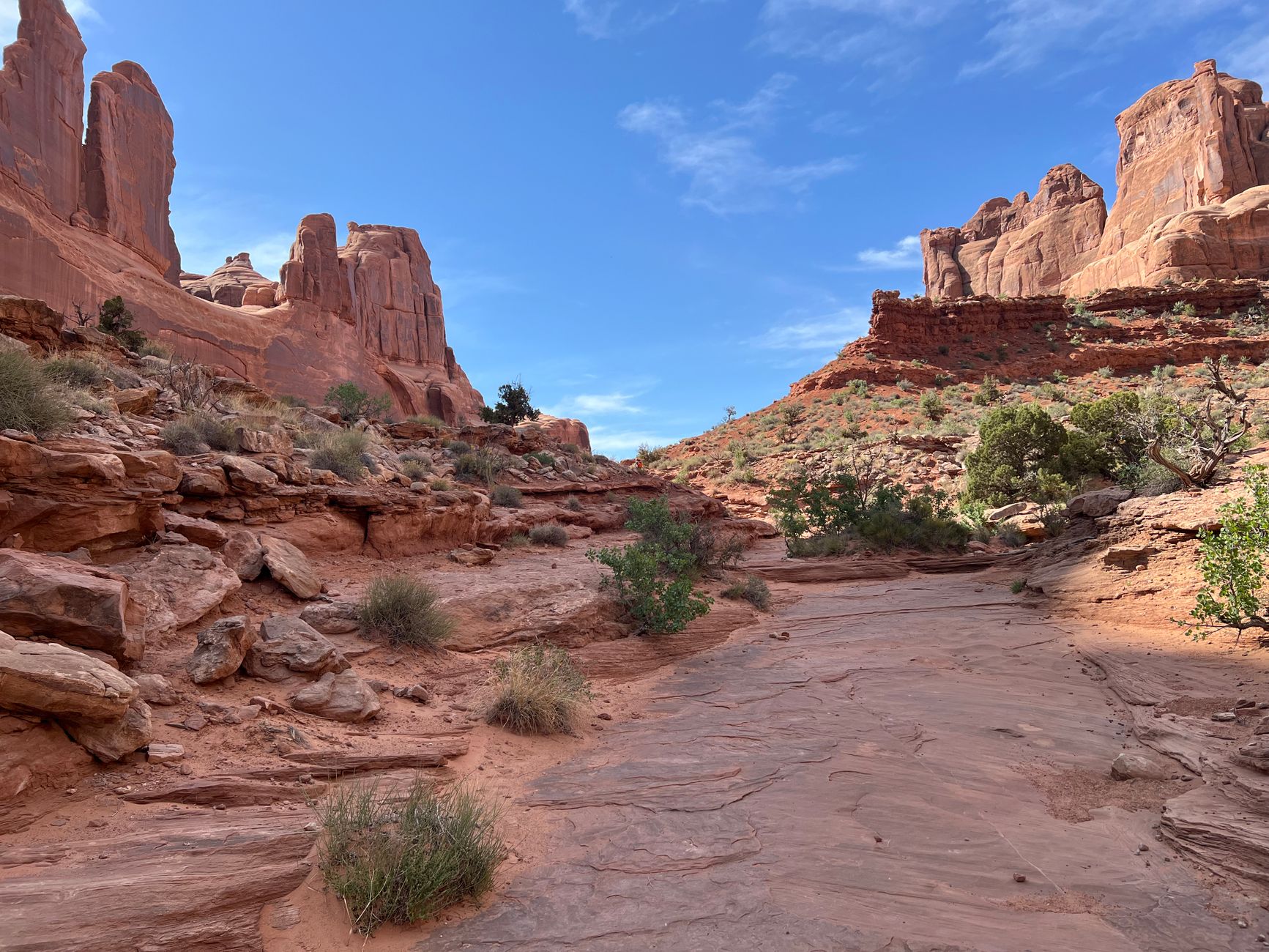
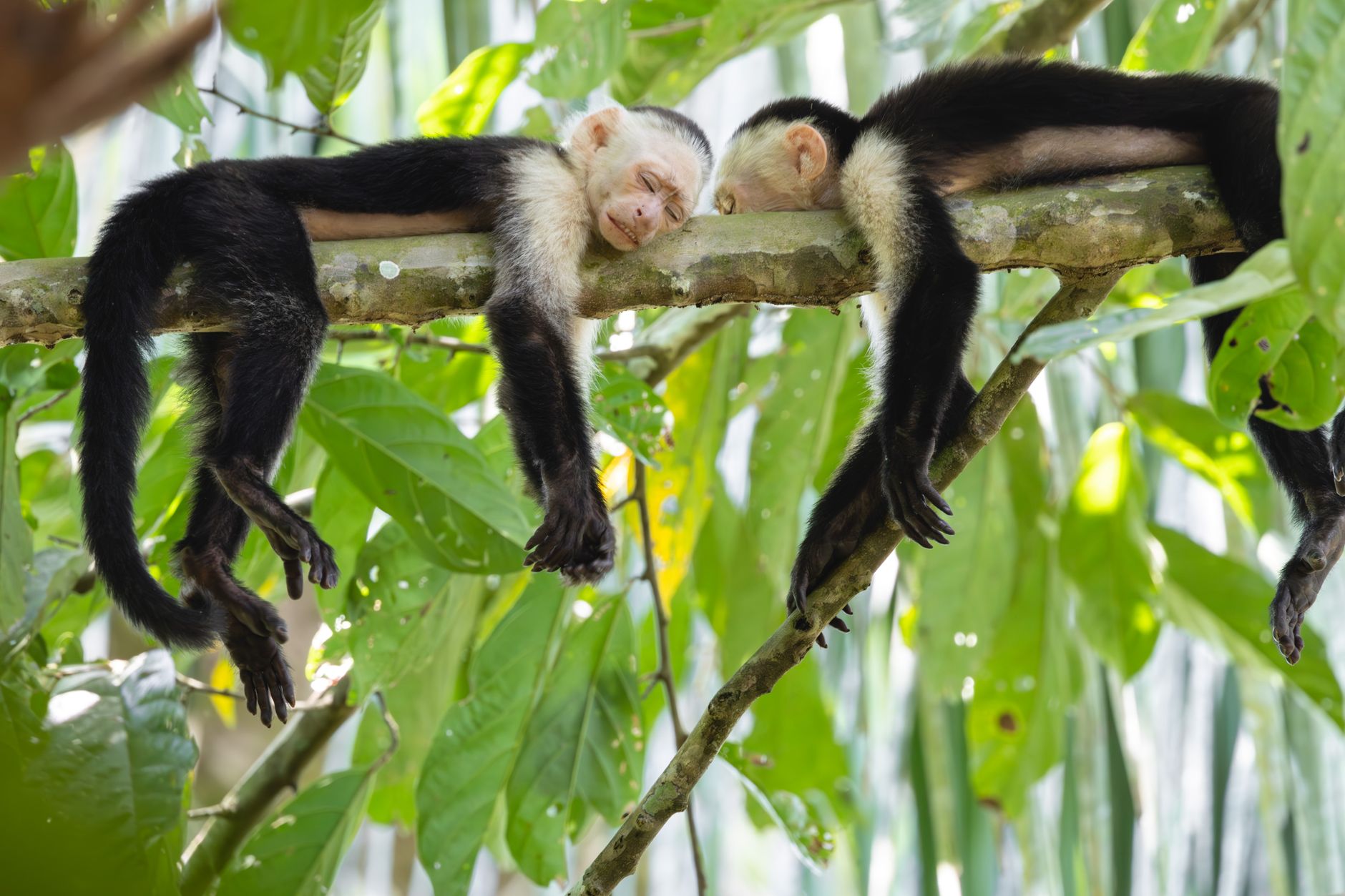
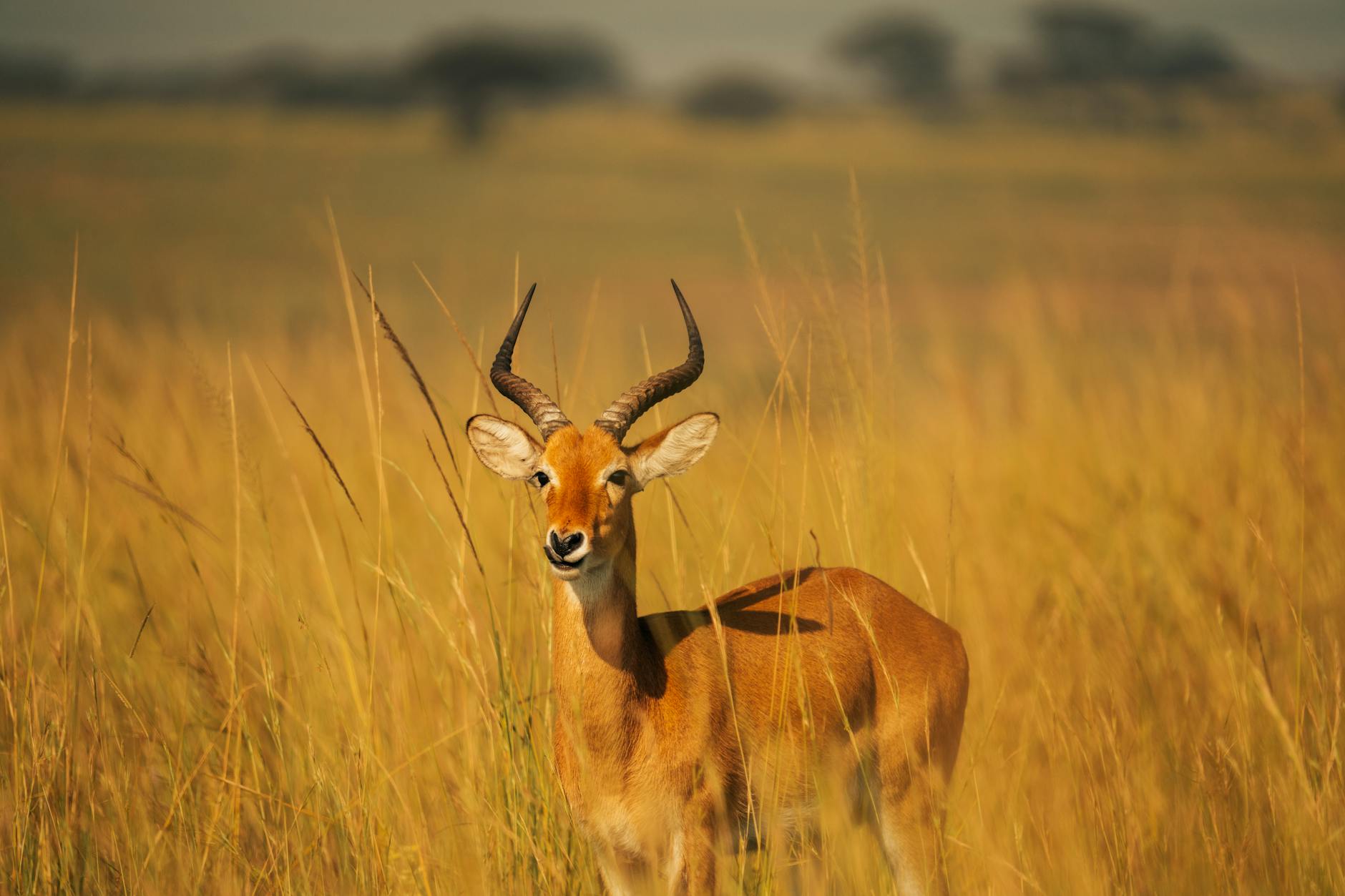
Dawn in the meadows — the magic hour when the animals come out.
There’s a particular kind of thrill you only get in the wild: that heart-jump when a thousand-pound bison ambles across the road, when a wolf trots along a distant ridge, or when a grizzly flips a salmon out of a waterfall. If you’re chasing that feeling, you need to know the best national parks for wildlife — the places where the animals are abundant, the viewing is reliable, and a little timing and patience nearly guarantee an unforgettable encounter.
This list focuses on parks where wildlife is the main event, not a happy accident. I’ve included what species you can realistically expect, exactly when and where to look, and how to do it safely (because the fastest way to ruin a wildlife trip — or get hurt — is to approach an animal). From the wolf-and-bison kingdom of Yellowstone to the bear-fishing spectacle of Katmai to the alligator-filled Everglades, these are the parks that deliver.
A quick but essential note up front: always keep a safe distance, never feed wildlife, and bring binoculars or a zoom lens. The best wildlife memories come from watching animals be wild — not from getting dangerously close. Now, let’s find some animals.
Key Takeaways
- Yellowstone is the king — bison, elk, wolves, grizzlies, and more in one place, especially in the Lamar Valley.
- Timing is everything. Dawn and dusk are prime; spring and fall often beat summer for activity.
- Each park has a signature species — Katmai for bears at Brooks Falls, Denali for the “big five,” Everglades for gators and birds.
- Binoculars or a zoom lens are essential. Safe wildlife viewing means viewing from a distance.
- Never approach or feed wildlife. It’s illegal, dangerous, and harmful to the animals.
Quick Facts
| Detail | Info |
|---|---|
| Top overall park | Yellowstone (variety + reliability) |
| Best bear spectacle | Katmai (Brooks Falls salmon run) |
| Best for big mammals | Denali, Grand Teton, Yellowstone |
| Best for birds & reptiles | Everglades |
| Prime viewing times | Dawn and dusk |
| Best seasons | Spring (babies) & fall (rut/activity) |
| Must-have gear | Binoculars, zoom lens, patience |
| Golden rule | Keep your distance; never feed wildlife |
The Full Comparison Table
| # | Park | Star Species | Best Spot | Best Season |
|---|---|---|---|---|
| 1 | Yellowstone | Bison, wolves, grizzlies, elk | Lamar & Hayden Valleys | Spring, fall |
| 2 | Denali | Grizzlies, moose, caribou, wolves, Dall sheep | Park Road | Summer |
| 3 | Everglades | Alligators, wading birds, manatees | Anhinga Trail, Shark Valley | Winter (dry season) |
| 4 | Grand Teton | Moose, bears, pronghorn, bison | Moose-Wilson Rd, Oxbow Bend | Spring, fall |
| 5 | Katmai | Brown bears | Brooks Falls | July & Sept |
| 6 | Rocky Mountain | Elk, moose, bighorn sheep | Moraine Park, Kawuneeche | Fall (elk rut) |
| 7 | Olympic | Roosevelt elk, marine life | Hoh Rainforest, coast | Year-round |
| 8 | Glacier | Mountain goats, bighorn, grizzlies | Logan Pass, Many Glacier | Summer |
| 9 | Channel Islands | Whales, seals, sea lions, foxes | Boat crossings, island trails | Winter–spring (whales) |
| 10 | Theodore Roosevelt | Bison, wild horses, prairie dogs | Scenic loop drives | Spring, fall |
The 10 Best Wildlife Parks, In Detail
1. Yellowstone National Park — The Wildlife Capital
| Detail | Info |
|---|---|
| Star species | Bison, wolves, grizzly & black bears, elk, pronghorn |
| Best spots | Lamar Valley, Hayden Valley |
| Best time | Dawn/dusk; spring & fall |
How to see it: Be in the valleys at first light or last light. Look for clusters of parked cars and people with spotting scopes — that’s the wildlife-watcher network at work. See our Yellowstone first-timer’s guide.
Safety: Stay at least 25 yards from most animals and 100 yards from bears and wolves. Carry bear spray on trails.
2. Denali National Park — Alaska’s Big Five
| Detail | Info |
|---|---|
| Star species | Grizzlies, moose, caribou, wolves, Dall sheep |
| Best spots | Along the Park Road (by bus) |
| Best time | Summer (June–early Sept) |
How to see it: Take a bus as far into the park as the road is open; the driver and fellow passengers help spot animals. The open landscape makes for incredible long-range viewing.
Safety: Stay in the bus or maintain large distances on foot. This is true wild country — respect it.
3. Everglades National Park — Gators, Birds & Manatees
| Detail | Info |
|---|---|
| Star species | Alligators, herons, egrets, roseate spoonbills, manatees |
| Best spots | Anhinga Trail, Shark Valley |
| Best time | Winter dry season (Dec–April) |
How to see it: Walk the Anhinga Trail (gators and birds practically pose for you) or bike/tram the Shark Valley loop. Boat tours reach manatees and dolphins.
Safety: Alligators are everywhere and fast — never approach, and keep pets and kids back from the water’s edge.
4. Grand Teton National Park — Moose, Bears & Pronghorn
| Detail | Info |
|---|---|
| Star species | Moose, grizzly & black bears, pronghorn, bison, elk |
| Best spots | Moose-Wilson Road, Oxbow Bend |
| Best time | Dawn/dusk; spring & fall |
How to see it: Drive the wildlife corridors slowly at dawn or dusk. Some famous grizzlies have become local celebrities here. Pair it with our Grand Teton vs Glacier comparison.
Safety: Same bear rules as Yellowstone — 100 yards from bears, carry spray, never get between a moose and her calf.
5. Katmai National Park — The Brooks Falls Bears
| Detail | Info |
|---|---|
| Star species | Brown (grizzly) bears |
| Best spot | Brooks Falls |
| Best time | July (salmon run) & September |
How to see it: Katmai is remote — most visitors fly in by floatplane from King Salmon. The viewing platforms put you safely close to the action. September offers a second peak as bears fatten for winter.
Safety: Rangers strictly manage the platforms and trails. Follow every instruction — these are wild, food-focused bears.
6. Rocky Mountain National Park — The Elk Rut
| Detail | Info |
|---|---|
| Star species | Elk, moose, bighorn sheep, marmots |
| Best spots | Moraine Park, Kawuneeche Valley |
| Best time | Fall (Sept–Oct elk rut) |
How to see it: Be in Moraine Park or Horseshoe Park at dawn or dusk in late September to hear the eerie bugling. See our Rocky Mountain national park guide.
Safety: During the rut, bull elk are aggressive — keep well back and never get between bulls and their harem.
7. Olympic National Park — Rainforest Elk & Tide Pools
| Detail | Info |
|---|---|
| Star species | Roosevelt elk, sea otters, seals, tide-pool life |
| Best spots | Hoh Rainforest, the coast |
| Best time | Year-round (low tide for tide pools) |
How to see it: Hike the Hoh trails quietly for elk, and time the coast for low tide to explore tide pools (check a tide chart). See our Olympic national park guide.
Safety: Keep distance from elk and seals; never touch tide-pool creatures or pry them from rocks.
8. Glacier National Park — High-Country Goats & Sheep
| Detail | Info |
|---|---|
| Star species | Mountain goats, bighorn sheep, grizzlies, moose |
| Best spots | Logan Pass, Many Glacier |
| Best time | Summer (July–Sept) |
How to see it: Walk the Hidden Lake or Highline trails from Logan Pass for goats and sheep. Glass the hillsides at Many Glacier for bears. See our Glacier national park guide.
Safety: Grizzlies are common — carry bear spray, make noise, and never hike alone in the backcountry.
9. Channel Islands National Park — Whales & Island Foxes
| Detail | Info |
|---|---|
| Star species | Whales, sea lions, seals, island foxes, seabirds |
| Best spots | The boat crossing, island trails |
| Best time | Winter–spring (gray whales); summer (blue whales) |
How to see it: Take a concessionaire boat from Ventura; whale-watching crossings peak with gray whales in winter/spring and the giant blue and humpback whales in summer.
Safety: Follow boat crew guidance; keep distance from seals and sea lions on the islands.
10. Theodore Roosevelt National Park — Bison & Wild Horses
| Detail | Info |
|---|---|
| Star species | Bison, wild horses, prairie dogs, elk, pronghorn |
| Best spots | Scenic loop drives |
| Best time | Spring & fall |
How to see it: Drive the scenic loops slowly at dawn or dusk; you’ll often have bison and horses to yourself with almost no crowds.
Safety: Bison are unpredictable and fast — stay in or near your vehicle when they’re close, and never approach the wild horses.
How to Choose Your Wildlife Park
| If You Want… | Go To | Why |
|---|---|---|
| The most variety | Yellowstone | Bison, wolves, bears, elk in one park |
| The ultimate bear show | Katmai | Bears catching salmon at Brooks Falls |
| Big Alaska mammals | Denali | The “big five” on the tundra |
| Gators & birds | Everglades | Easy winter viewing |
| Whales & marine life | Channel Islands | Boat-based ocean wildlife |
| Crowd-free wildlife | Theodore Roosevelt | Bison & wild horses, few people |
Wildlife Viewing Tips & Etiquette
- Go at dawn and dusk. Most animals are active in the cool, low-light hours; midday is quiet.
- Bring binoculars and a zoom lens. Good viewing is distant viewing — for your safety and the animal’s.
- Be patient and quiet. Wildlife rewards stillness. Pull over, scan, and wait.
- Never feed or approach animals. It’s illegal in national parks, dangerous, and it harms the animals (a fed animal often becomes a dead animal).
- Keep the required distance. Generally 25 yards from most wildlife and 100 yards from bears and wolves; follow each park’s rules.
- Carry bear spray in bear country and know how to use it.
- Watch the road. Many wildlife-vehicle collisions happen at dawn/dusk — drive slowly in animal zones.
A Quick Reflection
I’d been in the Lamar Valley since before dawn, shivering behind a borrowed spotting scope, half-convinced the wolves everyone talked about were a myth invented to sell Yellowstone postcards. The light came up slow and gold over the sage. Bison breathed steam into the cold. Nothing.
Then a woman two scopes down whispered, “There — on the ridge.” And there they were: a wolf pack, strung out single file along the skyline, trotting with that unhurried, businesslike gait wild things have. I watched them through the scope until my eye watered, afraid to blink. A pup tumbled to keep up with the adults. Somewhere a raven called.
They were gone in maybe four minutes. But I stood there for a long time afterward, just grinning at the empty ridge, feeling like I’d been let in on a secret. That’s what these parks give you, if you show up early and wait: proof that the wild is still out there, going about its business, entirely indifferent to us. Bring the binoculars. Set the alarm. Be patient. The animals are worth it.
Frequently Asked Questions
What is the best national park for wildlife viewing? Yellowstone is widely considered the best overall, thanks to its incredible variety and reliability — bison, elk, wolves, grizzly and black bears, and pronghorn all in one park, with the Lamar Valley as the premier viewing area. For a specific spectacle, Katmai’s bears at Brooks Falls and Denali’s “big five” are unmatched.
When is the best time to see wildlife in national parks? Dawn and dusk are the best times of day, when animals are most active and temperatures are cool. Seasonally, spring brings newborn animals and emerging bears, while fall brings the elk rut and animals feeding heavily before winter. Specific events, like Katmai’s July salmon run, have their own peak windows.
How close can you get to wildlife in national parks? You must keep a safe, legally required distance — generally at least 25 yards (23 m) from most animals like bison and elk, and 100 yards (91 m) from bears and wolves. Use binoculars or a zoom lens instead of approaching. Feeding or approaching wildlife is illegal and dangerous.
What gear do I need for wildlife viewing? At minimum, bring binoculars or a spotting scope and a camera with a zoom lens, since good viewing means keeping your distance. In bear country, carry bear spray and know how to use it. Dress in layers for cold dawn outings, and bring patience — the best sightings reward those who wait.
Always confirm wildlife regulations, distances, and seasonal access at the official National Park Service site for each park before you go.
Final Thoughts
The best national parks for wildlife give you something no zoo or screen ever can: animals living wild, on their own terms, in landscapes built for them. Whether it’s wolves on a Yellowstone ridge, bears at Brooks Falls, or wild horses thundering across the badlands, the formula is the same — go early, keep your distance, bring binoculars, and be patient.
Respect the animals and the rules, and these parks will reward you with moments you’ll be telling people about for years. Pick the park whose star species makes your heart jump, time it right, and go find them.
Planning a wildlife trip? Use our Trip Planner to map viewing areas, time your visit to peak seasons, and plan safe, rewarding outings.
Related Reading:
- Yellowstone National Park: First-Timer’s Guide — The wildlife capital, in depth
- Grand Teton vs Glacier — Two superb wildlife-and-mountain parks
- Rocky Mountain National Park Guide — Plan around the fall elk rut
- Best Sunrise Hikes in the USA — Catch the prime dawn viewing window
- The Ultimate Hiking Packing List — Including bear spray and binoculars
✈️ Planning your trip?
Compare cheap flights, hotels and car rentals for your adventure.
Find Cheap Flights →Compare Hotels →🌍 Plan & Book Your Trip
Compare the best deals for this destination — flights, hotels, tours and more:
Affiliate links — we may earn a commission at no extra cost to you.