12 Best Beginner Hikes in the USA (Easy & Scenic)

12 Best Beginner Hikes in the USA (Easy & Scenic)
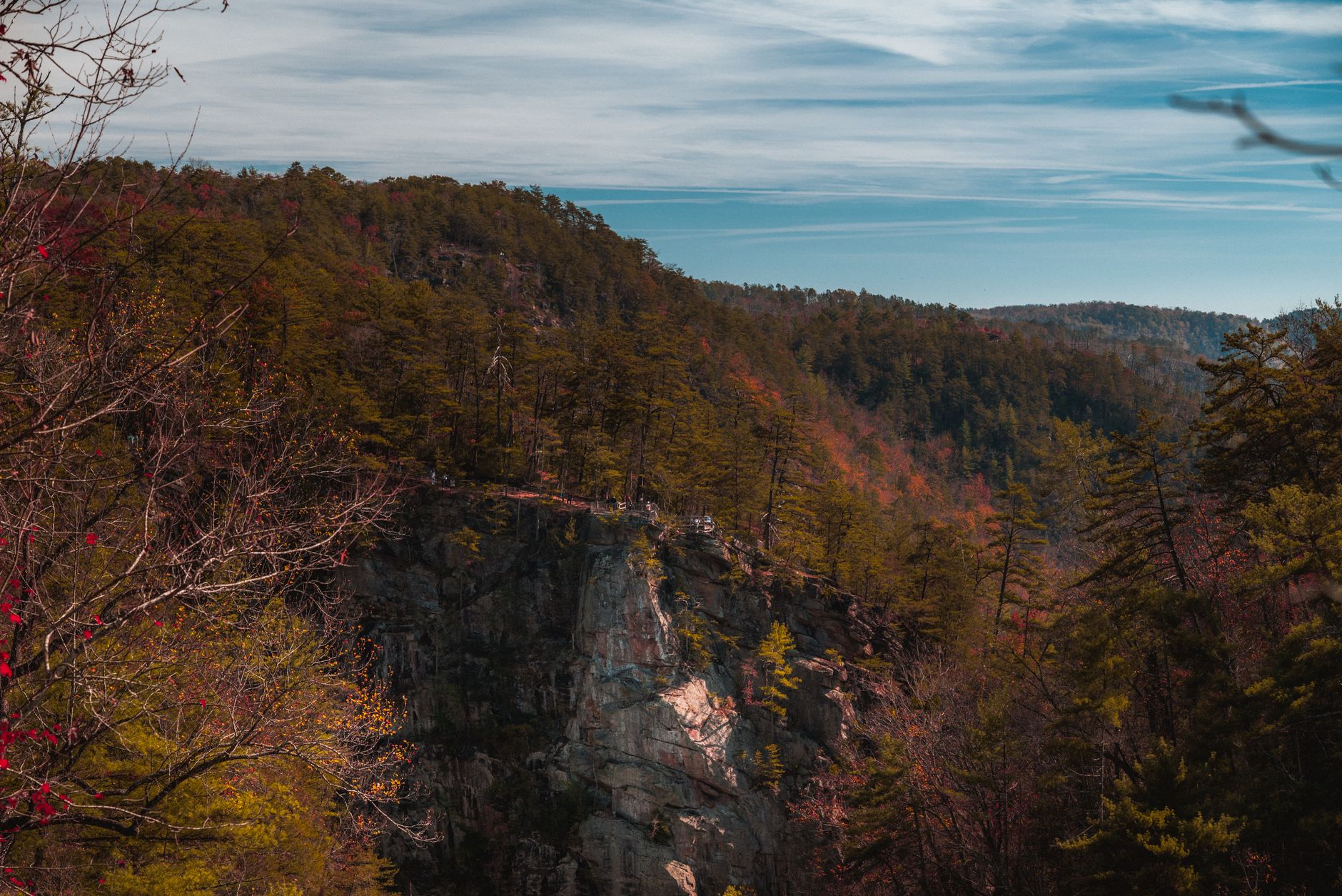
Photo by Connor Scott McManus on Pexels

12 Best Beginner Hikes in the USA (Easy, Scenic & Doable)

🌍 Plan & Book Your Trip

Compare the best deals for this destination — flights, hotels, tours and more:

Affiliate links — we may earn a commission at no extra cost to you.

Big scenery doesn’t have to mean a brutal climb — the best beginner hikes prove it.

When you’re new to hiking, the hardest part isn’t the walking — it’s figuring out which trails won’t crush you, scare you, or bore you. So I put together this list of the best beginner hikes in the country: trails that are short enough to feel doable, scenic enough to feel worth it, and accessible enough that you don’t need special skills or gear to enjoy them. These are the hikes I’d send my own parents, my nervous-first-timer friends, and anyone who wants to fall in love with being outside.

A great beginner hike checks a few boxes: it’s relatively short (mostly under 5 miles), the trail is well-maintained and easy to follow, the elevation gain is gentle or moderate, and — crucially — there’s a real payoff at the end. A lake, a waterfall, an overlook, something that makes you go “wow, I did that.” Every trail on this list delivers exactly that, and they’re spread across the country so there’s likely one within reach of you.

Lace up. Here are twelve hikes that’ll make you a hiker.

Key Takeaways

  • All twelve are beginner-friendly — short to moderate distances, well-marked trails, and gentle-to-moderate climbs.
  • Every one has a big payoff — a lake, waterfall, arch, or overlook that’s worth the effort.
  • They span the whole country, from Maine’s coast to the Utah desert to the California redwoods.
  • A few are in national parks that require timed entry or shuttles — check before you go.
  • You don’t need fancy gear — comfortable shoes, water, and snacks cover most of these.

Quick Facts

DetailInfo
Trails on this list12 beginner-friendly hikes
Distance range~1 to 6 miles round trip
DifficultyEasy to easy-moderate
Best payoffsLakes, waterfalls, arches, overlooks
Gear neededComfortable shoes, water, snacks
Regions coveredWest, Southwest, Rockies, Midwest, East, coast
PermitsA few parks need timed entry/shuttle

The Full Comparison Table

#HikeStateDistanceDifficultyPayoff
1Emerald LakeCO3.6 mi RTEasyAlpine lakes
2Taft PointCA2.2 mi RTEasyYosemite cliff view
3Delicate ArchUT3 mi RTEasy-ModerateIconic arch
4Jordan Pond PathME3.3 mi loopEasyPond + mountains
5Bright Angel (1.5 Mile House)AZ3 mi RTEasy-ModerateGrand Canyon descent
6Bryce Navajo/Queen’s LoopUT~3 mi loopEasy-ModerateHoodoos
7Avalanche LakeMT4.6 mi RTEasyLake + waterfalls
8Fern CanyonCA~1 mi loopEasyFern-walled canyon
9Lower Yosemite FallCA1 mi loopEasyWaterfall base
10Bear Lake to Nymph LakeCO1 mi RTEasyEasy alpine lakes
11Riverside Walk (Zion)UT2.2 mi RTEasyCanyon + river
12Clingmans DomeTN/NC1 mi RTEasy-Moderate (steep paved)Highest Smokies view

The 12 Best Beginner Hikes, In Detail

1. Emerald Lake — Rocky Mountain National Park, Colorado

DetailInfo
Distance3.6 miles round trip
Elevation gain~700 feet
DifficultyEasy
PayoffThree alpine lakes in a row
This is the perfect “first big hike.” You pass Nymph Lake, then Dream Lake, then reach Emerald Lake tucked into a bowl of peaks — three stunning lakes for under 4 miles of walking. The trail is well-graded and easy to follow.

Beginner tip: You’re at altitude (around 9,000+ feet), so go slow and drink water. Get a timed-entry reservation for the Bear Lake corridor and arrive early.

2. Taft Point — Yosemite National Park, California

DetailInfo
Distance2.2 miles round trip
Elevation gain~200 feet
DifficultyEasy
PayoffDramatic Yosemite Valley view
A short, mostly flat walk through forest leads to a stunning clifftop view of Yosemite Valley, El Capitan, and the fissures in the rock at the edge. Minimal effort, maximum drama.

Beginner tip: The cliff edge has only a partial railing — keep kids close and don’t get too adventurous near the drop. Accessible from Glacier Point Road (open seasonally).

3. Delicate Arch — Arches National Park, Utah

DetailInfo
Distance3 miles round trip
Elevation gain~480 feet
DifficultyEasy-Moderate
PayoffThe most famous arch in the world
It’s on the higher end of “beginner,” but the trail is short and the reward is enormous. You climb open slickrock to the natural amphitheater where Delicate Arch stands framing the mountains. See our full Arches national park guide for details.

Beginner tip: No shade and real heat — hike at sunrise or near sunset and carry plenty of water. The final ledge is narrow but manageable.

4. Jordan Pond Path — Acadia National Park, Maine

DetailInfo
Distance3.3 miles loop
Elevation gainMinimal
DifficultyEasy
PayoffGlassy pond + the Bubbles
A flat loop around a crystal-clear pond with views of the rounded “Bubbles” mountains, partly on a wooden boardwalk. Cap it with popovers at the Jordan Pond House. See our Acadia national park guide.

Beginner tip: The boardwalk sections can be slick when wet. Easy enough for almost anyone, and gorgeous in fall.

5. Bright Angel Trail to 1.5 Mile Resthouse — Grand Canyon, Arizona

DetailInfo
Distance~3 miles round trip
Elevation gain~1,100 feet (on the way up)
DifficultyEasy-Moderate
PayoffHiking into the Grand Canyon
You don’t have to go rim-to-river to experience the Grand Canyon. Descending to the 1.5-Mile Resthouse gives you the thrill of hiking into the canyon while keeping it manageable.

Beginner tip: Remember — going down is easy, climbing back up is the hard part. Turn around with plenty of energy left, and never attempt this in summer midday heat.

6. Navajo Loop & Queen’s Garden — Bryce Canyon, Utah

DetailInfo
Distance~3 miles combined loop
Elevation gain~600 feet
DifficultyEasy-Moderate
PayoffWalking among the hoodoos
This combined loop drops you off the rim and down among Bryce’s famous orange hoodoos — those spire-shaped rock columns. It’s the best way to experience the park up close. Learn more in our Zion vs Bryce Canyon comparison.

Beginner tip: Hike it clockwise (down Navajo, up Queen’s Garden) so the steeper switchbacks are the descent. You’re at 8,000 feet — pace yourself.

7. Avalanche Lake — Glacier National Park, Montana

DetailInfo
Distance4.6 miles round trip
Elevation gain~730 feet
DifficultyEasy
PayoffA lake ringed by waterfalls
A gentle walk through old-growth cedar forest opens up to a mountain lake with waterfalls streaming down the surrounding cliffs. It’s the best beginner hike in Glacier.

Beginner tip: This is grizzly country — carry bear spray, make noise, and hike in a group. Walk to the far end of the lake for the best view.

8. Fern Canyon — Prairie Creek Redwoods, California

DetailInfo
Distance~1 mile loop
Elevation gainMinimal
DifficultyEasy
Payoff50-foot fern-covered walls
A short, magical loop through a canyon whose vertical walls are blanketed in ferns — so prehistoric-looking it was used as a filming location for dinosaur movies. You’ll cross a small stream multiple times.

Beginner tip: Expect wet feet; the canyon floor has a creek. A permit/reservation may be required in summer — check ahead. Water shoes help (see our water shoes guide).

9. Lower Yosemite Fall — Yosemite National Park, California

DetailInfo
Distance1 mile loop
Elevation gainMinimal
DifficultyEasy
PayoffBase of a roaring waterfall
A flat, mostly paved loop to the base of North America’s tallest waterfall. In spring, the spray soaks you and the roar is deafening — a huge payoff for almost no effort.

Beginner tip: Go in late spring (May–June) for peak flow; by late summer the falls can dry up. Wheelchair and stroller accessible on parts of the loop.

10. Bear Lake to Nymph Lake — Rocky Mountain National Park, Colorado

DetailInfo
Distance~1 mile round trip
Elevation gain~250 feet
DifficultyEasy
PayoffTwo alpine lakes, minimal effort
If Emerald Lake feels like too much, start here. The flat Bear Lake loop and the short climb to lily-pad-dotted Nymph Lake are some of the easiest alpine scenery in the country.

Beginner tip: Perfect for testing how altitude affects you before committing to a longer hike. Same timed-entry/parking rules as Emerald Lake.

11. Riverside Walk — Zion National Park, Utah

DetailInfo
Distance2.2 miles round trip
Elevation gainMinimal
DifficultyEasy
PayoffCanyon walls + the river
This paved, mostly flat path follows the Virgin River to the gateway of the Narrows, with towering canyon walls, hanging gardens, and (often) deer along the way. It’s the gentle intro to Zion.

Beginner tip: Take the park shuttle to the last stop (the Temple of Sinawava). For the full canyon experience, see our Narrows beginner’s guide and best time to visit Zion.

12. Clingmans Dome — Great Smoky Mountains, Tennessee/North Carolina

DetailInfo
Distance1 mile round trip
Elevation gain~330 feet
DifficultyEasy-Moderate (steep but paved)
PayoffHighest point in the Smokies
A short but steep paved path leads to a futuristic observation tower at the highest point in the park, with layered blue-ridge views in every direction. See our Great Smoky Mountains guide.

Beginner tip: The paved path is steep — take breaks. It’s often cooler and foggier up top, so bring a layer even in summer. The access road closes in winter.

How to Pick Your First Hike

If You’re…Start WithWhy
Totally newBear Lake / Lower Yosemite FallFlat, short, huge payoff
Building confidenceJordan Pond / Riverside WalkEasy loops, gentle terrain
Ready for a small challengeEmerald Lake / Delicate ArchModerate climb, big reward
Worried about heightsAvalanche Lake / Fern CanyonNo exposure, all scenery
Short on timeFern Canyon / Clingmans DomeUnder a mile, still spectacular

Beginner Hiking Tips That Actually Matter

  • Start small and build up. Don’t make your first hike a 10-miler. Confidence compounds.
  • Wear comfortable, broken-in shoes. You don’t need expensive boots for these — trail runners or sturdy sneakers work.
  • Bring more water than you think. Dehydration ruins more hikes than terrain does.
  • Pack snacks. Energy crashes are real; a granola bar fixes a lot.
  • Check the weather and trail status. Conditions change; a quick look saves a bad day.
  • Tell someone your plan, and turn around if you’re not having fun. The trail isn’t going anywhere.
For more, see our best hikes for non-hikers and the ultimate hiking packing list.

A Quick Reflection

My first “real” hike was Emerald Lake, and I almost didn’t finish it. I was wildly out of shape, the altitude had me gasping, and about halfway up I sat down on a rock convinced I’d bitten off more than I could chew. A woman in her seventies passed me with a smile and said, “Slow is still moving, honey.”

So I went slow. I stopped at Nymph Lake to catch my breath, then Dream Lake, then — somehow — there I was at Emerald Lake, peaks reflected in the water, lungs heaving, absolutely glowing with pride. That little voice that said I can’t had been wrong.

That’s the secret nobody tells beginners: the trail isn’t a test you pass or fail. It’s just walking, with better scenery, at whatever pace works for you. Slow is still moving. Pick one hike off this list, go slow, and let it surprise you. I’ve been chasing that feeling ever since.

Frequently Asked Questions

What makes a hike good for beginners? A good beginner hike is relatively short (usually under 5 miles), follows a well-marked and well-maintained trail, has gentle to moderate elevation gain, and offers a clear payoff like a lake, waterfall, or overlook. Minimal exposure to heights and easy access also help new hikers feel comfortable and confident.

Do I need special gear to start hiking? No. For the trails on this list, comfortable broken-in shoes (trail runners or sturdy sneakers), water, snacks, and weather-appropriate layers are enough. As you take on longer or rougher hikes, you can gradually add gear like hiking boots, trekking poles, and a daypack.

How long does a beginner hike take? Most beginner hikes (1–5 miles) take one to three hours, depending on your pace, the elevation gain, and how often you stop for photos and breaks. A good rule of thumb is roughly 30 minutes per mile on easy terrain, plus extra time for climbing and rest stops.

What’s the easiest hike in a national park? Some of the easiest national park hikes with big payoffs include Bear Lake in Rocky Mountain, the Riverside Walk in Zion, Lower Yosemite Fall in Yosemite, and the Jordan Pond Path in Acadia. All are short, mostly flat, and deliver spectacular scenery for minimal effort.

Always confirm trail conditions, fees, and reservation rules at the official National Park Service site before you go.

Final Thoughts

The best beginner hikes aren’t watered-down versions of “real” hikes — they’re the real thing, just sized right for where you are now. Every trail on this list delivers a genuine wow without demanding peak fitness or technical skill. Pick the one closest to you, go slow, bring water and snacks, and let yourself enjoy it.

Hiking isn’t about suffering up a mountain to prove something. It’s about getting outside, moving your body, and standing somewhere beautiful you reached on your own two feet. Start here, and don’t be surprised if one easy trail turns into a lifelong habit.

Planning your first hiking trip? Use our Trip Planner to find beginner-friendly trails, sort by difficulty, and map out an easy first adventure.

Related Reading:

✈️ Planning your trip?

Compare cheap flights, hotels and car rentals for your adventure.

Find Cheap Flights →Compare Hotels →

🌍 Plan & Book Your Trip

Compare the best deals for this destination — flights, hotels, tours and more:

Affiliate links — we may earn a commission at no extra cost to you.

Leave a Comment

Your email address will not be published. Required fields are marked *

Scroll to Top