Lofoten Islands Norway: Hiking & Travel Guide
🌍 Plan & Book Your Trip
Compare the best deals for this destination — flights, hotels, tours and more:
Affiliate links — we may earn a commission at no extra cost to you.
Sharp peaks dropping straight into the sea above red fishing cabins — Lofoten looks unreal, and somehow it’s even better in person.
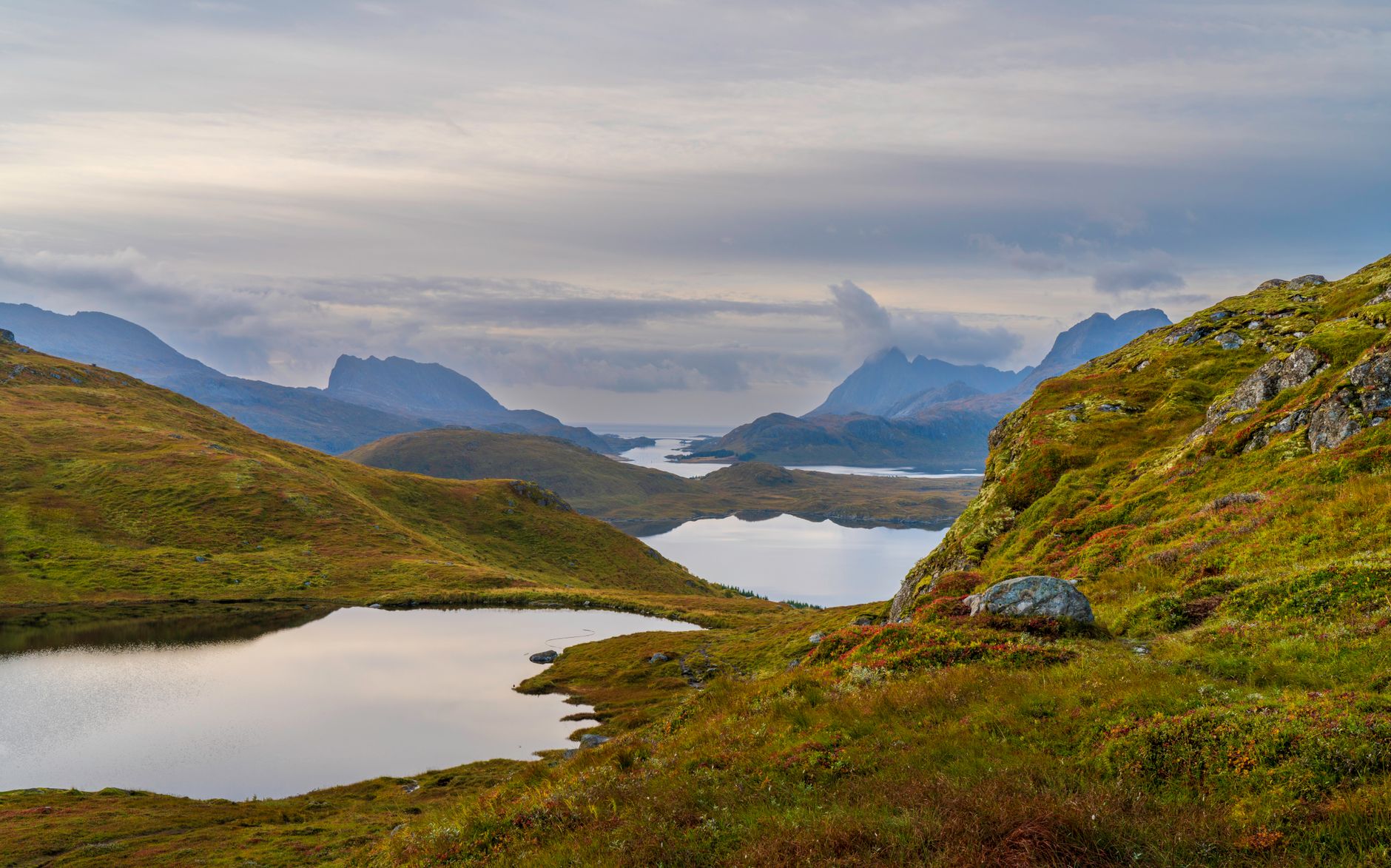
I’ve stood in a lot of beautiful places, but few have stopped me cold the way the Lofoten Islands did. Picture jagged granite mountains shooting straight out of a deep blue sea, white-sand beaches that look tropical until you touch the freezing water, and tiny red fishing cabins tucked into coves beneath it all. That’s why this Lofoten Islands guide exists — to help you actually pull off a trip to one of the most jaw-dropping archipelagos on the planet, above the Arctic Circle in northern Norway.
Lofoten is a string of islands connected by bridges and tunnels, so despite being remote and Arctic, it’s surprisingly easy to road-trip end to end. You can hike a thigh-burning peak in the morning, wander a centuries-old fishing village at lunch, and watch either the midnight sun or the northern lights at night, depending on the season. It’s rugged and weather-beaten and genuinely wild, but the infrastructure — roads, cabins, cafés — makes it accessible to regular travelers, not just hardcore expeditioners.
This guide covers the best hikes (yes, including Reinebringen and Kvalvika Beach), the must-see fishing villages, how to chase the lights or the midnight sun, when to go, and how to get around once you’re there.
Key Takeaways
- Lofoten is a road-trip archipelago — islands linked by bridges, so a rental car (or camper) is the best way to explore.
- Reinebringen is the iconic hike — steep stone “Sherpa stairs” to a postcard view over Reine. Kvalvika Beach is the wild, beachy counterpart.
- The fishing villages (Reine, Hamnøy, Henningsvær, Nusfjord, Å) are half the magic — those red rorbuer cabins are everywhere.
- Two completely different seasons: summer’s midnight sun (endless daylight) vs. winter’s northern lights (and arctic cold).
- Weather changes fast. Pack serious layers and waterproofs no matter the season, and build in flexibility.
- It’s not cheap. Norway is expensive — budget accordingly, or self-cater and camp to save.
Quick Facts
| Detail | Info |
|---|---|
| Location | Northern Norway, above the Arctic Circle |
| Main hubs | Svolvær, Leknes, Reine, Henningsvær |
| Getting there | Fly to Svolvær/Leknes (via Bodø), or ferry/drive |
| Best for hiking | June–September |
| Midnight sun | ~late May to mid-July |
| Northern lights | ~September to early April |
| Signature hike | Reinebringen (Sherpa stairs) |
| Getting around | Rental car or camper (highly recommended) |
| Currency | Norwegian krone (NOK) — expensive |
| Time needed | 4–7 days |
How to Get to Lofoten
Lofoten is remote, but reaching it is more straightforward than you’d think.
By air: The most common route is to fly to Bodø (a mainland hub), then take a short connecting flight to Svolvær or Leknes, the two small airports on the islands. Some travelers fly into Harstad/Narvik (Evenes) and drive in from the north.
By ferry: A scenic option is the car ferry from Bodø to Moskenes (near Reine), which drops you right at the dramatic southern end. There’s also the famous Hurtigruten coastal ferry that stops in Lofoten.
By car: You can drive the entire length on the E10 highway, which links the islands via a series of bridges and tunnels. Driving in from the mainland is a long but stunning journey.
Getting around once there: A rental car or camper van is by far the best way to explore. Public buses exist but are infrequent, and the whole appeal is stopping at every viewpoint, beach, and village on your own schedule. Book vehicles early — supply is limited, especially in summer.
First-timer tip: Distances look short on the map, but the winding E10 and constant photo stops mean everything takes longer than you expect. Don’t over-pack your itinerary — Lofoten rewards slowing down.
The Best Hikes in Lofoten
The hiking here is world-class: short distances, brutal elevation, and absurd payoffs. Here are the ones worth prioritizing.
1. Reinebringen — The Postcard Hike
| Detail | Info |
|---|---|
| Distance | ~3 miles round trip |
| Elevation gain | ~1,500 feet |
| Difficulty | Hard (steep stairs) |
| Trailhead | Near Reine |
| Best for | The iconic Lofoten view |
Why I love it: The view from the top is one of the best I’ve ever earned. Reine and its surrounding islands spread out below like a model village in an impossible landscape.
Tips:
- The stairs can close for maintenance or safety — check the current status before you go.
- It gets crowded and the top is exposed; go early or late (and in summer, you can hike it at midnight in full daylight).
- Don’t venture beyond the official viewpoint onto the sketchy ridge unless you’re experienced.
2. Kvalvika Beach — The Wild Hidden Cove
| Detail | Info |
|---|---|
| Distance | ~2.5 miles round trip (to the beach) |
| Elevation gain | ~550 feet |
| Difficulty | Moderate |
| Trailhead | Fredvang area |
| Best for | A wild beach + optional peak add-on |
Why I love it: It feels gloriously remote — no road access, just you, the surf, and the mountains. Adding Ryten turns it into one of the best half-days in Lofoten.
Tips:
- The trail can be muddy; waterproof footwear helps.
- Camping on the beach is popular in summer (follow Norway’s “right to roam” rules and leave no trace).
3. Ryten — The Beach-from-Above Viewpoint
| Detail | Info |
|---|---|
| Distance | ~5.5 miles round trip (with Kvalvika) |
| Elevation gain | ~1,400 feet |
| Difficulty | Hard |
| Trailhead | Fredvang area |
| Best for | A bird’s-eye view over the beach |
Tips:
- Mind the exposed edges near the top — there are no railings.
- Best in clear weather; clouds frequently obscure the summit.
4. Mannen / Offersøykammen — Big Views, Less Effort
| Detail | Info |
|---|---|
| Distance | ~2–3 miles round trip |
| Elevation gain | ~800–1,000 feet |
| Difficulty | Moderate |
| Trailhead | Haukland Beach / Leknes area |
| Best for | Big views without a brutal climb |
Tips:
- Haukland is a perfect base — swim (if you’re brave), picnic, then climb for the view.
- Footing is grassy and can be slick after rain.
5. Å & the Southern Tip — Easy Village Strolls
| Detail | Info |
|---|---|
| Distance | Short, flat strolls |
| Elevation gain | Minimal |
| Difficulty | Easy |
| Location | Å and southern villages |
Tips:
- Great for a low-energy or bad-weather day.
- The whole southern stretch from Reine to Å is packed with photo stops.
Comparison: Which Lofoten Hike Should You Choose?
| If You Want… | Do This Hike | Why |
|---|---|---|
| The iconic photo | Reinebringen | Postcard view over Reine |
| A wild beach | Kvalvika Beach | Remote sand + surf |
| Beach-from-above drama | Ryten | Clifftop over Kvalvika |
| Big views, moderate effort | Mannen / Offersøykammen | Panoramas without the stairs |
| Easy + cultural | Village of Å | History, no climbing |
The Fishing Villages You Can’t Miss
Half of Lofoten’s magic is the villages, with their iconic red cabins (rorbuer) once used by seasonal cod fishermen and now often rented to travelers.
- Reine — The poster child, ringed by peaks and fjords. The Reinebringen trailhead is right here.
- Hamnøy & Sakrisøy — Tiny, photogenic clusters of cabins on the way to Reine; Hamnøy’s bridge view is world-famous.
- Henningsvær — A buzzy village spread across small islands, with cafés, galleries, and the famous football pitch surrounded by sea and rock.
- Nusfjord — One of Norway’s best-preserved fishing villages, tucked in a sheltered cove.
- Å — The end of the road and a living museum of fishing heritage.
Northern Lights vs. Midnight Sun
Lofoten gives you two radically different trips depending on when you go.
Midnight sun (roughly late May to mid-July): The sun literally never sets. You can hike at 1 AM in golden light, and the long days make road-tripping and hiking endlessly flexible. This is peak hiking season — greenery, accessible trails, and (relatively) milder weather.
Northern lights (roughly September to early April): As the dark returns, Lofoten becomes one of the best places on earth to see the aurora dancing over those snowy peaks and fjords. Winter is magical but harsh — short days, cold, snow, ice, and avalanche risk on the mountains. Many high trails are off-limits or require winter skills.
My take: For a first visit focused on hiking and ease, go in summer for the midnight sun. For a bucket-list aurora trip (and you’re prepared for arctic winter conditions), go in the dark months — but consider a guided experience and proper gear.
Best Time to Visit Lofoten
| Season | Conditions | Best For |
|---|---|---|
| Summer (Jun–Aug) | Midnight sun, mild, green, busiest | Hiking, road trips, beaches |
| Shoulder (May, Sep) | Fewer crowds, variable weather | Quieter hiking, fall color/early light |
| Autumn (Sep–Oct) | Aurora returns, moody weather | Northern lights + photography |
| Winter (Nov–Mar) | Cold, snowy, short days, aurora | Northern lights, dramatic scenery |
Where to Stay & Budget Notes
- Rorbu cabins — The classic stay; book months ahead for summer. Pricey but unforgettable.
- Hotels & guesthouses — Concentrated in Svolvær, Leknes, and Reine.
- Camping & camper vans — The budget-friendly way to experience Lofoten; Norway’s right-to-roam allows responsible wild camping, and there are paid campgrounds with facilities.
- Budget reality: Norway is expensive. Save money by self-catering (groceries instead of restaurants), traveling by camper, and visiting in shoulder season.
What to Pack for Lofoten
- Waterproof jacket and pants — non-negotiable, any season
- Warm layers — fleece/down even in summer; it’s the Arctic
- Sturdy, waterproof hiking boots — trails get muddy and steep
- Hat, gloves, buff — wind off the sea is cold
- Eye mask for sleeping under the midnight sun
- Headlamp for winter darkness (see our headlamp guide)
- Camera + extra batteries — cold drains them fast
A Quick Reflection
On my second night in Lofoten, I couldn’t sleep — partly jet lag, partly the fact that it was 11:30 PM and the sun was still pouring golden light through the cabin window. So I gave up, grabbed my boots, and drove the empty E10 to the Reinebringen trailhead.
I climbed those endless stone stairs alone, lungs burning, the only sound my own breathing and the cry of gulls. When I reached the top, Reine lay below me, lit by a sun that simply refused to set — the village, the fjords, the impossible peaks all glowing soft amber at midnight. I sat down on a rock and just stared. A single other hiker arrived, nodded at me, and we sat in silence, two strangers sharing something neither of us had words for.
I stayed until nearly 2 AM. There was no rush — the light wasn’t going anywhere. That’s the gift of the midnight sun: time stops mattering, and you can sit with a view like that for as long as your heart needs. I drove back to the cabin in broad daylight, certain I’d be back.
Frequently Asked Questions
How many days do you need in the Lofoten Islands? Four to seven days is ideal. Four days lets you hit the southern highlights (Reine, Reinebringen, the fishing villages) and a beach or two. A week lets you explore the full archipelago end to end, tackle multiple hikes, and build in buffer days for the fast-changing weather.
What is the best hike in Lofoten? Reinebringen is the most iconic — a steep climb up stone stairs to a postcard view over Reine. For variety, Kvalvika Beach (with the optional Ryten peak above it) is the best beach-and-summit combination. Both are short in distance but steep, so come with decent fitness.
When is the best time to visit Lofoten? Summer (June–August) brings the midnight sun, mild weather, and the best hiking conditions, but also the most visitors. For the northern lights, visit between September and early April, accepting cold, short days, and winter conditions. May and September are quieter shoulder-season alternatives.
Do you need a car in Lofoten? A rental car or camper van is strongly recommended. The islands are linked by the E10 highway, and the joy of Lofoten is stopping at every beach, village, and viewpoint on your own schedule. Public buses exist but are infrequent, so a vehicle gives you far more freedom.
Always confirm transport schedules, trail status, and accommodation availability through official sources like Visit Norway before you travel.
Final Thoughts
Lofoten is one of those rare places that lives up to every impossible photo — and then hands you experiences the photos can’t: hiking at midnight in golden light, sleeping in a red cabin over the water, watching the aurora ripple over snow-dusted peaks. It takes some effort and some money to get there, and the weather will test you. It’s worth every bit.
Rent a car, base yourself near Reine, build in flexible days, pack for all four seasons, and let the islands set the pace. Whether you come for the midnight sun or the northern lights, Lofoten will rearrange your idea of what a landscape can be.
Planning a Norway adventure? Use our Trip Planner to map your island route, sort hikes by difficulty, and plan around the midnight sun or aurora season.
Related Reading:
- Iceland Ring Road Guide — Another epic Nordic road trip
- Scottish Highlands Travel Guide — Rugged Northern-European scenery
- Dolomites Italy Hiking & Travel Guide — More dramatic European peaks
- Best Headlamps for Hiking — Essential for winter aurora trips
- The Ultimate Hiking Packing List — Pack right for Arctic weather
✈️ Planning your trip?
Compare cheap flights, hotels and car rentals for your adventure.
Find Cheap Flights →Compare Hotels →🌍 Plan & Book Your Trip
Compare the best deals for this destination — flights, hotels, tours and more:
Affiliate links — we may earn a commission at no extra cost to you.