10 Best Winter Hikes in the USA
🌍 Plan & Book Your Trip
Compare the best deals for this destination — flights, hotels, tours and more:
Affiliate links — we may earn a commission at no extra cost to you.
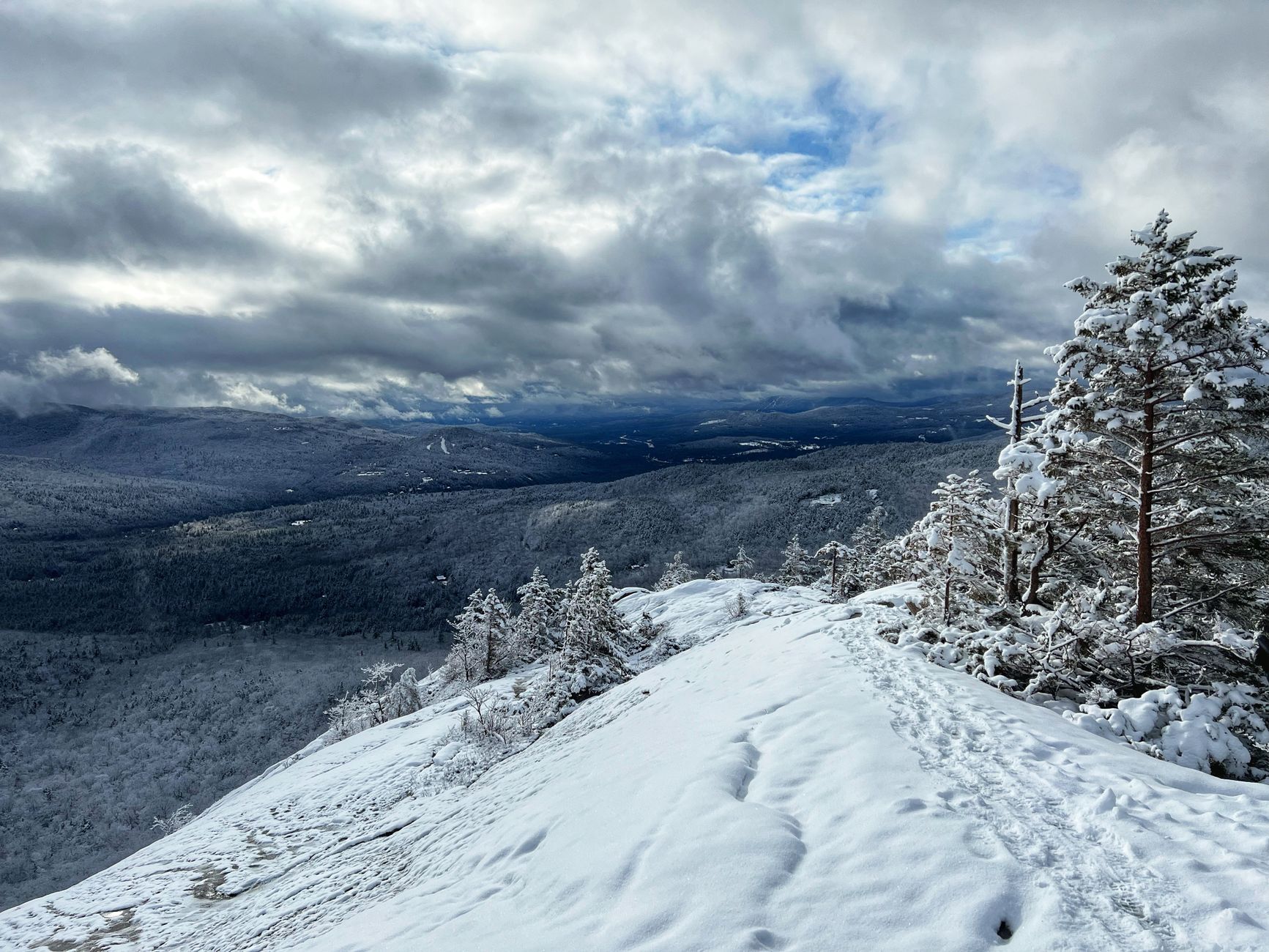
Snow on red rock is one of hiking’s great underrated sights — and winter empties out trails that are mobbed all summer.
Most people pack the hiking gear away when it gets cold. That’s their loss — and your gain. Some of the country’s most spectacular trails are at their absolute best in winter: red rock dusted with snow, waterfalls frozen mid-fall, and famous viewpoints you’d never get to yourself in July. If you’re after the best winter hikes USA has to offer, this list mixes easy, accessible cold-weather walks with snowshoe-friendly trails — all chosen because the off-season makes them better, not just survivable.
Winter hiking does ask more of you: shorter days, slick footing, and weather that turns serious fast. But with the right layers, some traction on your boots, and a little planning, you unlock a quieter, stranger, more beautiful version of trails you thought you knew. Here are ten worth braving the cold for, plus the gear and safety basics to do it smart.
Key Takeaways
- Traction devices (microspikes) are the single best winter upgrade — they turn icy death-slides into easy walks.
- Snow transforms the desert parks. Zion, Bryce, and Sedona in a dusting of white are unforgettable and uncrowded.
- Daylight is short — start early, carry a headlamp, and turn around with time to spare.
- Layer smart and avoid cotton — sweat-then-chill is the real danger, not the cold itself.
- Some park roads close in winter (Bryce’s far viewpoints, Acadia’s Loop Road, the Smokies’ high routes) — check before you go.
- Winter crowds are tiny — you’ll often have famous overlooks to yourself.
Quick Facts
| Detail | Info |
|---|---|
| Theme | Snowshoe-friendly + accessible winter trails |
| Best months | December–March (varies by region) |
| Essential gear | Microspikes, layers, insulated boots, headlamp |
| Snowshoes needed? | Only for deeper snow (mountain/northern trails) |
| Hikes listed | 10 (mix of easy + moderate) |
| Biggest hazard | Ice, short daylight, sudden weather |
| Crowds | Far lighter than summer everywhere on this list |
The 10 Best Winter Hikes in the USA
1. Riverside Walk / Lower Emerald Pools — Zion National Park, UT
| Detail | Info |
|---|---|
| Distance | 2–3 miles round trip |
| Difficulty | Easy |
| Snow level | Light dusting to none (canyon floor) |
| Why winter | No shuttle crowds, snow-dusted red walls |
Tips:
- The Narrows is possible but brutally cold — dry suits required; most winter visitors skip it.
- Microspikes help on shaded, icy sections.
- Check the shuttle status — in winter you can often use your own car. See our Zion Narrows beginner’s guide for the warmer-weather version.
2. Rim Trail & Navajo Loop — Bryce Canyon National Park, UT
| Detail | Info |
|---|---|
| Distance | 1–3 miles (flexible) |
| Difficulty | Easy–Moderate |
| Snow level | Often snowy (8,000+ ft rim) |
| Why winter | Snow on the hoodoos — the best look there is |
Tips:
- Microspikes are essentially mandatory — the rim and switchbacks ice up.
- Some far-end viewpoint roads may be unplowed; the main amphitheater stays accessible.
- Dress warm — at 8,000+ feet, Bryce is genuinely cold. See how it stacks up in our Zion vs Bryce Canyon comparison.
3. Clingmans Dome Road (Snowshoe) — Great Smoky Mountains NP, TN/NC
| Detail | Info |
|---|---|
| Distance | Up to ~14 miles (turn around anytime) |
| Difficulty | Easy–Moderate (flat-ish grade) |
| Snow level | Snowy at high elevation |
| Why winter | The road closes to cars — walk/snowshoe it |
Tips:
- Newfound Gap Road can close in storms; check status before driving up.
- Bring snowshoes if there’s fresh deep snow; microspikes for packed/icy days.
- The Smokies are mild at low elevations — pair with an easy valley walk. More ideas in our Great Smoky Mountains guide.
4. Ocean Path & Jordan Pond — Acadia National Park, ME
| Detail | Info |
|---|---|
| Distance | 2–3.3 miles |
| Difficulty | Easy |
| Snow level | Variable coastal snow/ice |
| Why winter | Surf on snowy granite, total solitude |
Tips:
- The Park Loop Road largely closes to cars in winter; some sections become ski/walk routes.
- Coastal ice can be treacherous — microspikes and caution near the water.
- Carriage roads make excellent flat snowshoe routes. See our Acadia National Park guide.
5. Bell Rock & Courthouse Loop — Sedona, AZ
| Detail | Info |
|---|---|
| Distance | 3.6 miles loop |
| Difficulty | Easy–Moderate |
| Snow level | Occasional dustings; mostly clear |
| Why winter | Cool hiking temps, occasional snow on red rock |
Tips:
- Winter is peak season here for a reason — book ahead and start early for parking.
- Mornings can be near-freezing; afternoons warm up nicely. Layers.
- For the full rundown, see our Sedona hiking guide.
6. Emerald Lake — Rocky Mountain National Park, CO
| Detail | Info |
|---|---|
| Distance | ~3.6 miles round trip |
| Difficulty | Moderate (winter) |
| Snow level | Snowy — snowshoes/microspikes needed |
| Why winter | A frozen alpine lake ringed by peaks |
Tips:
- Snowshoes for fresh snow, microspikes for packed trail; check conditions.
- Wind near the lake can be fierce — bring a real shell and goggles on gusty days.
- Start early; afternoon weather builds fast in the mountains.
7. Watchman Trail — Zion National Park, UT
| Detail | Info |
|---|---|
| Distance | ~3.3 miles round trip |
| Difficulty | Moderate |
| Snow level | Light; some icy shaded patches |
| Why winter | A real viewpoint hike without summer heat or crowds |
Tips:
- Microspikes for shaded, icy switchbacks.
- Accessible from near the visitor center even when the shuttle isn’t running.
- Great sunset hike given the short winter days — just carry a headlamp.
8. Maroon Bells / East Maroon (Snowshoe) — Aspen, CO
| Detail | Info |
|---|---|
| Distance | Flexible (road closed in winter) |
| Difficulty | Moderate |
| Snow level | Deep — snowshoes required |
| Why winter | The most photographed peaks, minus the summer mob |
Tips:
- This is true backcountry in winter — know avalanche conditions and stick to safe terrain.
- Snowshoes and serious layers are mandatory.
- Best for confident winter hikers; check avalanche forecasts.
9. Cadillac Mountain (North Ridge, lower section) — Acadia NP, ME
| Detail | Info |
|---|---|
| Distance | Varies (turn around to suit) |
| Difficulty | Moderate (winter) |
| Snow level | Snowy/icy |
| Why winter | Summit road closes — earn the East Coast’s great view |
Tips:
- Exposed and windy up high — full winter layers and traction essential.
- Turn around early if ice or wind picks up; the lower ridge is rewarding on its own.
- Pair with the Ocean Path (#4) for a full Acadia winter day.
10. Fern Canyon / Sabino Canyon — Tucson, AZ
| Detail | Info |
|---|---|
| Distance | 2–5 miles (flexible) |
| Difficulty | Easy–Moderate |
| Snow level | None (warm desert escape) |
| Why winter | Shorts-and-t-shirt hiking in January |
Tips:
- This is the “winter hike without winter” option — ideal for snowbirds.
- Bring sun protection and plenty of water; it’s still the desert.
- A snow-capped Mount Lemmon often looms above the warm canyon — a wild contrast.
Comparison: Which Winter Hike Is Right for You?
| If You Want… | Do This Hike | Why |
|---|---|---|
| Snow on red rock | Bryce Rim Trail | The iconic snowy-hoodoo shot |
| Easy + accessible | Zion Riverside Walk | Flat canyon floor, minimal snow |
| Classic snowshoe | Emerald Lake (RMNP) | Beginner-friendly frozen alpine lake |
| Coast + solitude | Acadia Ocean Path | Surf on snowy granite, no crowds |
| Warm winter escape | Sabino Canyon (Tucson) | 65°F desert hiking in January |
| A real viewpoint climb | Watchman Trail (Zion) | Overlook to yourself, cool temps |
| Famous peaks, no crowds | Maroon Bells snowshoe | Postcard views earned on foot |
Winter Hiking Gear & Safety Basics
Cold-weather hiking is safe and fun when you respect a few rules. The cold itself rarely hurts prepared hikers — getting sweaty and then chilled does.
- Traction: Microspikes are the highest-value item you can buy. For deep snow, add snowshoes.
- Layers: Moisture-wicking base, insulating mid-layer, and a waterproof shell. No cotton — it kills.
- Extremities: Warm hat, gloves (plus spare), insulated waterproof boots, and warm socks.
- Daylight: Winter days are short. Start early, carry a headlamp, and set a hard turnaround time.
- Hydration + fuel: You still sweat and burn calories in the cold — drink and snack regularly.
- Check conditions: Road closures, avalanche forecasts (mountain trails), and weather windows.
A Quick Reflection
The hike that converted me to winter hiking was Bryce Canyon, two days after a storm. I’d hiked the rim in summer and remembered it as gorgeous but packed — a slow shuffle of selfie sticks and tour groups. This time I stepped out to the Sunset Point overlook just after dawn and there was no one. The hoodoos stood there capped in fresh snow, glowing orange against a sky so blue it looked saturated, and the only sound was my own microspikes crunching on the path.
I had one of the most famous viewpoints in the national park system entirely to myself for almost an hour. A raven cruised past at eye level. My breath hung in the air. And I remember thinking: I almost stayed home because it was “the off-season.” The off-season is the secret. Winter asks for a little more effort and a little more gear, but it hands you these places stripped of the crowds, dressed in snow, and quiet in a way summer never is. Buy the microspikes. Go anyway.
Frequently Asked Questions
For current trail and road conditions, always check the relevant park page at nps.gov and local avalanche forecasts before heading out.
Final Thoughts
Winter hiking is the great hiking secret: a little more gear and grit buys you snow-draped scenery, frozen waterfalls, and famous viewpoints with nobody else on them. Start with the easy, accessible options — Zion’s canyon floor, Sedona’s red rock, a closed park road you can snowshoe — and work up to frozen alpine lakes once you’ve dialed in your layers and traction.
Buy the microspikes. Pack the headlamp. Watch the daylight and the weather. Then go see Bryce’s hoodoos in the snow, or Acadia’s surf crashing on frozen granite, and discover the version of these trails that summer hikers never get to meet.
Planning a winter hiking trip? Use our Trip Planner to organize your route and plan around weather and road closures.
Related Reading:
- Winter Hiking Gear & Layering Guide — exactly how to dress and what to pack
- Best Headlamps for Hiking & Camping — essential for short winter days
- Best Time to Visit Zion National Park — why winter is underrated
- Best Sunrise Hikes in the USA — pair early starts with winter light
✈️ Planning your trip?
Compare cheap flights, hotels and car rentals for your adventure.
Find Cheap Flights →Compare Hotels →🌍 Plan & Book Your Trip
Compare the best deals for this destination — flights, hotels, tours and more:
Affiliate links — we may earn a commission at no extra cost to you.