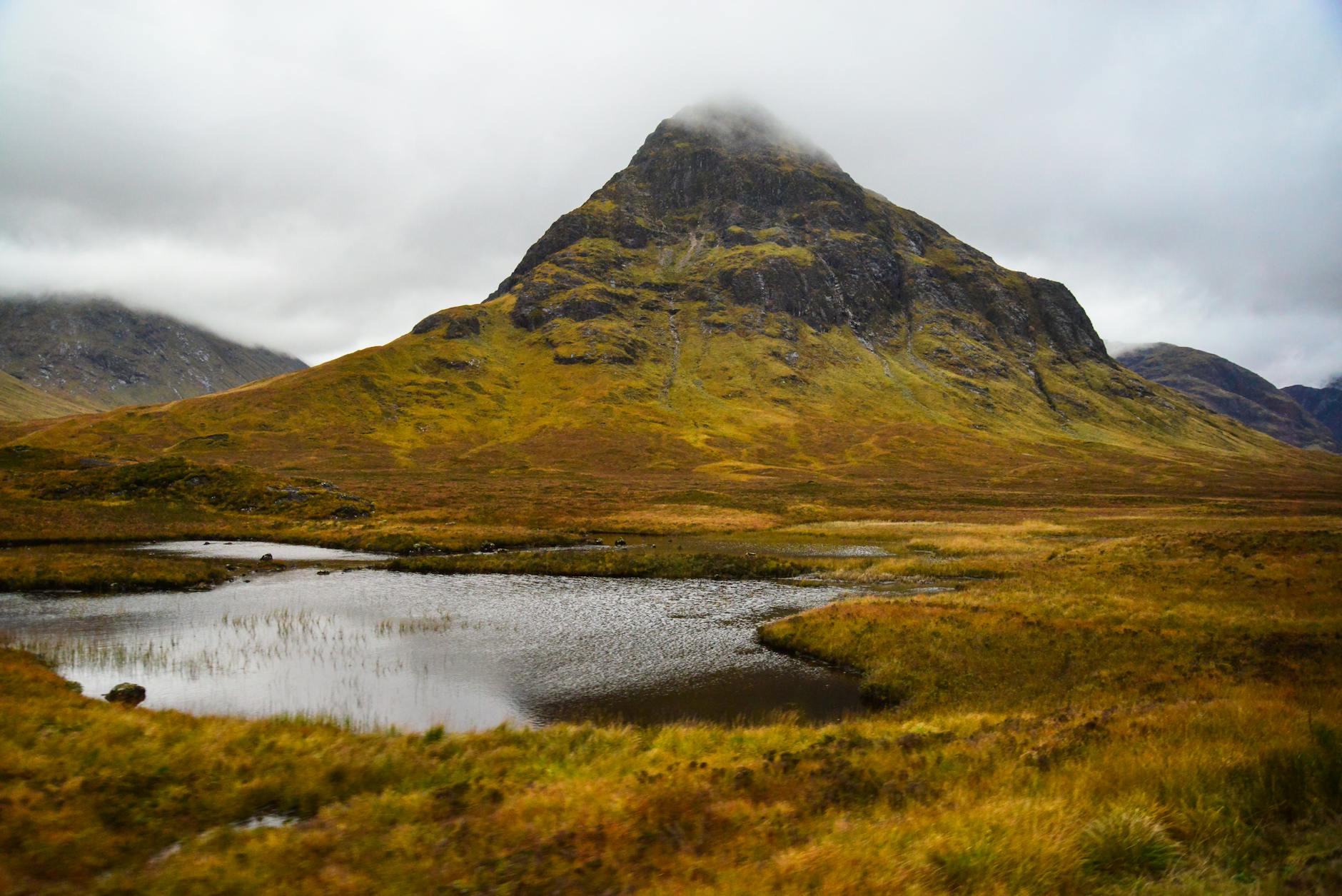
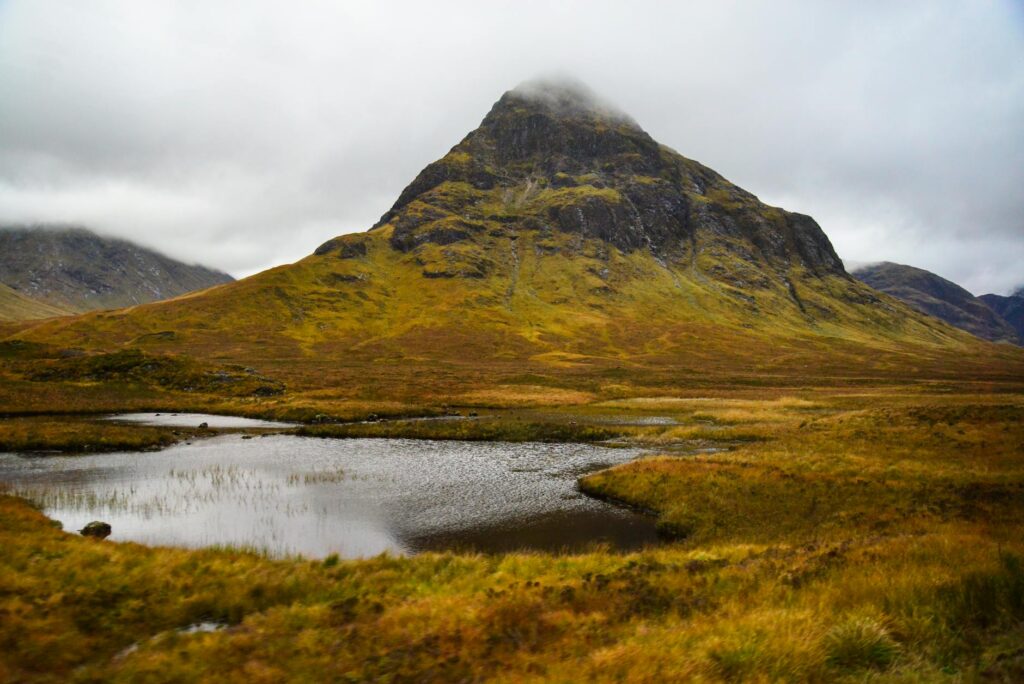
Mist over the mountains of Glencoe — the Scotland of your imagination.
Mist rolling over heather-covered mountains, lochs reflecting brooding skies, castles perched on lonely crags — the Scottish Highlands look like they were designed for a fantasy film (and many were filmed here). It’s one of Europe’s last great wildernesses, and a road trip through it is the stuff of bucket lists.
But the Highlands can humble an unprepared traveler: single-track roads, fickle weather, and the infamous summer midges. Here’s everything a first-timer needs to plan a smooth, unforgettable trip.
Key Takeaways
The Highlands are in northern Scotland — most trips start from Inverness or Glasgow/Edinburgh.
A car is essential for the best experience; be ready for single-track roads.
Don’t miss Glencoe, the Isle of Skye, Loch Ness, and the NC500 route.
Late spring and early autumn dodge the worst crowds and summer midges.
Pack for rain and four-seasons-in-a-day weather, any time of year.
Quick Facts
📍 Location
Northern Scotland, UK
🚗 Best way to explore
Self-drive (drive on the LEFT)
🛣️ Famous route
North Coast 500 (NC500)
🏰 Icons
Glencoe, Isle of Skye, Eilean Donan, Loch Ness
⏱️ Ideal stay
5-8 days
🗓️ Best time
May–June & September
How to Get There & Around
Most travelers start in Edinburgh or Glasgow (major airports and train links) and head north, or fly directly into Inverness, the “capital of the Highlands” and a great base.
Getting around: A rental car is by far the best way to explore — public transport is limited in remote areas. Two important notes for first-timers:
You drive on the left in the UK.
Many Highland roads are single-track with passing places — pull into a passing place to let oncoming cars (and faster locals) through. It’s easy once you get the rhythm.
Best Time to Visit
Spring (May–June): Arguably the best — long days, blooming landscapes, fewer midges, and smaller crowds. Top pick.
Summer (July–August): Warmest and busiest, with the longest daylight — but also peak midge season (tiny biting insects) near water and in still, damp conditions.
Autumn (September–October): Gorgeous golden and russet colors, thinning crowds, and fading midges. Another excellent window.
Winter (November–March): Dramatic, snowy, and atmospheric, but with very short days and some roads/attractions closed.
Midge tip: They’re worst in mid-summer, near water, on still days. Wind is your friend, and repellent helps. Spring and autumn trips largely avoid them.
The Best Things to See & Do
Glencoe — Perhaps the most breathtaking glen in Scotland: dramatic peaks, waterfalls, and brooding atmosphere. A must-stop for scenery and hikes.
Isle of Skye — The crown jewel for many: the Old Man of Storr, the Quiraing, the Fairy Pools, and the Cuillin mountains. Allow at least 2 days.
Loch Ness & Urquhart Castle — Hunt for “Nessie” and explore the castle ruins on the loch’s shore.
Eilean Donan Castle — One of the most photographed castles in the world, on a tiny island where three lochs meet.
The North Coast 500 (NC500) — A ~500-mile loop from Inverness around the rugged northern coast, often called Scotland’s Route 66.
Ben Nevis & Fort William — The UK’s highest mountain and the “Outdoor Capital of the UK.”
The Glenfinnan Viaduct — Yes, the “Harry Potter train” bridge; time it for the steam train crossing.
Moderate: The Old Man of Storr, the Quiraing loop (Skye), Steall Falls (near Fort William)
Hard: Ben Nevis (the UK’s highest peak — a serious full-day climb)
Where to Stay
Inverness — Central hub, great for Loch Ness and the NC500 start.
Fort William — Base for Glencoe, Ben Nevis, and Glenfinnan.
Portree (Isle of Skye) — The island’s main town and best base.
Along the NC500 — Charming villages, B&Bs, and inns (book well ahead in summer).
What to Pack
Waterproof jacket and layers — rain is possible any day, any season
Sturdy walking shoes — trails get muddy and uneven
Midge repellent (especially summer near water)
A reusable water bottle and snacks for remote stretches
A good camera — the light here is magic between the showers
Suggested 5-7 Day Highlands Road Trip
A simple loop that hits the icons without backtracking:
Day 1 — Edinburgh/Glasgow → Glencoe: Drive north past Loch Lomond and arrive in dramatic Glencoe for an evening walk.
Day 2 — Glencoe → Fort William → Glenfinnan: Explore Glencoe’s glens, then catch the steam train crossing the Glenfinnan Viaduct.
Day 3 — Road to the Isles → Isle of Skye: Take the scenic route to Skye, stopping at Eilean Donan Castle on the way.
Days 4-5 — Isle of Skye: Hike the Old Man of Storr and the Quiraing, visit the Fairy Pools, and base in Portree.
Day 6 — Skye → Loch Ness → Inverness: Head back to the mainland, hunt for Nessie at Urquhart Castle, and overnight in Inverness.
Day 7 — Inverness → south (or start the NC500): Loop back via the Cairngorms, or begin the North Coast 500 if you have extra days.
What It Costs & Budget Tips
The Highlands aren’t cheap, but you can keep costs reasonable:
Travel in spring or autumn for lower accommodation rates than peak summer.
Book B&Bs and Skye lodging early — they sell out and prices spike in July-August.
Self-cater or pack picnics for remote stretches where food options are limited.
Fuel is pricier in remote areas, so fill up in larger towns when you can.
Many of the best sights are free — glens, lochs, viewpoints, and most walks cost nothing.
Food & Drink to Try
Part of the Highlands experience happens at the table:
Whisky — the Highlands and Speyside are dotted with distilleries offering tours and tastings (bring a designated driver).
Fresh seafood — langoustines, mussels, and salmon, especially on the west coast and Skye.
Haggis, neeps and tatties — the classic Scottish plate, far better than its reputation.
Cullen skink — a hearty smoked-haddock soup, perfect on a rainy day.
Cranachan — a dessert of cream, oats, raspberries, and whisky.
Many Highland pubs serve excellent versions of all of these, often alongside live music.
A Quick Reflection
My first morning in Glencoe, the rain was coming down sideways and I nearly stayed in the car, grumbling about the weather. Then the clouds parted for maybe ten minutes, sunlight swept across the wet green slopes, a waterfall lit up silver, and the whole glen looked like something out of a legend. Then it rained again. That’s the Highlands in a nutshell: don’t wait for perfect weather, because the fleeting breaks between the showers are when the real magic happens. Get out of the car.
Practical Tips & Mistakes to Avoid
Don’t rush — Highland distances take longer than the map suggests on winding roads.
Master single-track etiquette — use passing places and let locals overtake.
Book accommodation early, especially on Skye and along the NC500 in summer.
Embrace the weather — pack waterproofs and go out anyway.
Fuel up often — petrol stations are sparse in remote areas.
FAQ
What is the best time to visit the Scottish Highlands? Late spring (May–June) and September are ideal — you get long days, beautiful scenery, fewer crowds, and far fewer midges than mid-summer.
How many days do you need in the Scottish Highlands? Plan 5-8 days to comfortably see Glencoe, the Isle of Skye, Loch Ness, and a stretch of coast. The full North Coast 500 loop deserves about 5-7 days on its own.
Do you need a car in the Scottish Highlands? For the best experience, yes. Public transport is limited in remote areas, and a car lets you explore at your own pace — just be prepared to drive on the left and navigate single-track roads.
What are midges and when are they worst? Midges are tiny biting insects most active in mid-summer, near water and on still, damp days. Wind and repellent help, and visiting in spring or autumn largely avoids them.
Is the North Coast 500 worth it? Yes, if you have the time. The NC500 is a roughly 500-mile loop from Inverness around Scotland’s rugged northern coast, with beaches, mountains, and castles. It deserves about 5-7 days on its own, so it’s best added to a longer trip rather than rushed.
Planning a trip? Check regions, weather, and travel info on the official VisitScotland site.
Final Thoughts
The Scottish Highlands reward the traveler who plans a little and embraces a lot — the rain, the winding roads, the sudden bursts of sunlight that set a whole glen aglow. Rent a car, give yourself time, pack your waterproofs, and don’t let a grey sky keep you indoors. Somewhere between the showers, in the mist over a silent loch, you’ll find the Scotland of your imagination.