Iceland Ring Road: The First-Timer’s Trip Guide
🌍 Plan & Book Your Trip
Best deals powered by Travelpayouts:
Affiliate links — no extra cost to you.
One of the countless waterfalls along Iceland’s Ring Road.
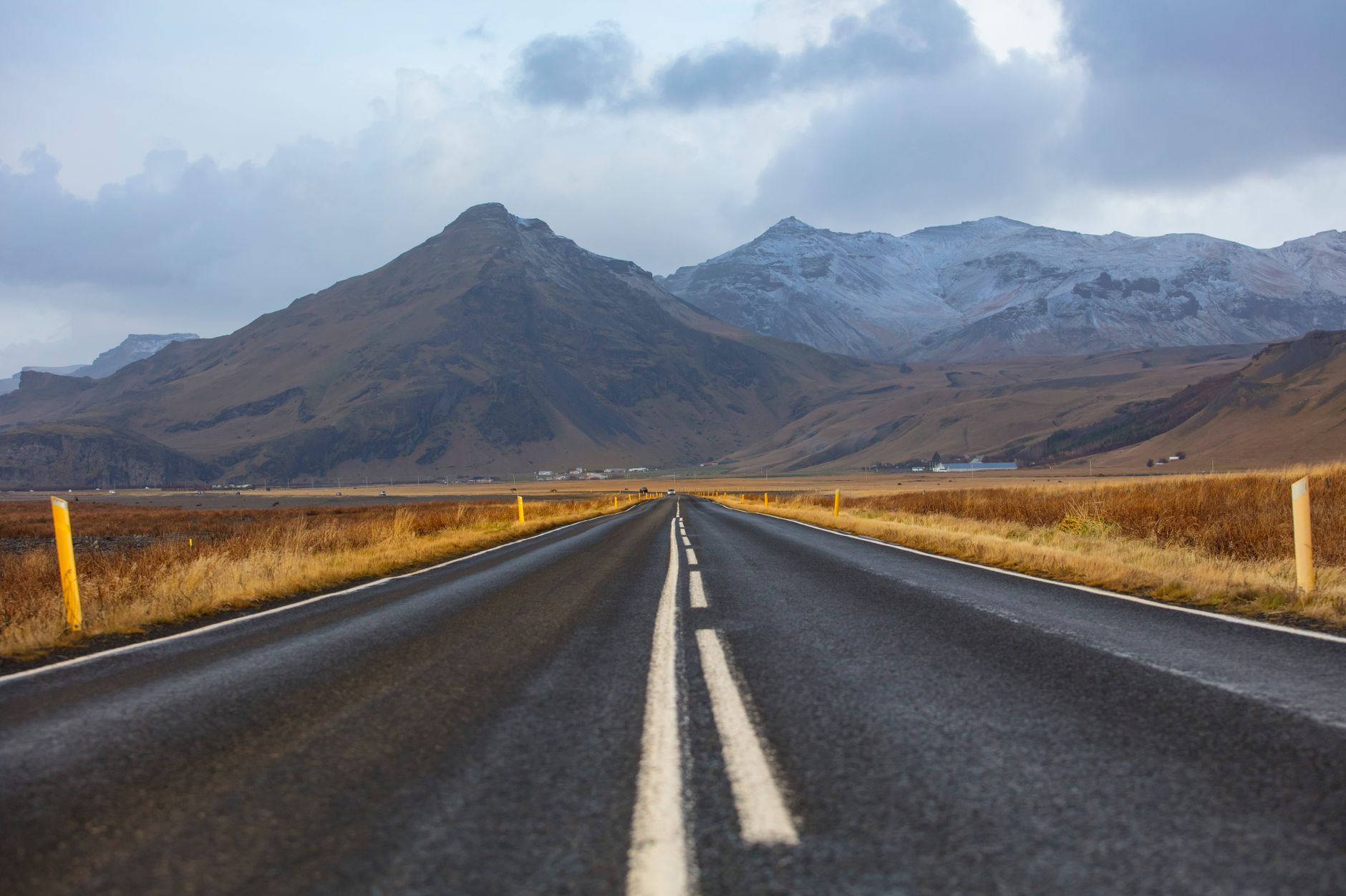
Imagine one road that loops an entire country, stringing together waterfalls, glaciers, black-sand beaches, geysers, and lava fields like beads on a necklace. That’s the Iceland Ring Road (Route 1) — roughly 1,300 km (about 820 miles) of pure, jaw-dropping nature, and one of the greatest road trips on the planet.
If it’s your first time, the freedom can be overwhelming. How many days do you need? When should you go? What will you actually see? Let’s map it out.
Key Takeaways
- The Ring Road (Route 1) circles all of Iceland — about 1,300 km / 820 miles.
- Give yourself at least 7-10 days to drive it without rushing.
- Summer = endless daylight and open roads; winter = northern lights but tricky driving.
- Iceland’s weather is famously fast-changing — flexibility and safety checks are essential.
- Highlights include the Golden Circle, South Coast waterfalls, glacier lagoon, and Lake Mývatn.
Quick Facts
| 📍 Route | Iceland’s Ring Road (Route 1) |
|---|---|
| 📏 Distance | ~1,300 km / ~820 miles (full loop) |
| 🚗 Suggested time | 7-10 days minimum |
| 🛫 Arrival | Keflavík Airport (near Reykjavík) |
| 🗓️ Best time | June–August (access) / winter (auroras) |
| 🌦️ Wildcard | Rapidly changing weather |
How It Works
Most travelers fly into Keflavík Airport, pick up a rental car near Reykjavík, and drive the loop — typically counterclockwise or clockwise, your choice. The road is paved for the vast majority of the loop and connects nearly all of Iceland’s headline sights.
Reality check: You can technically “drive” the Ring Road in 24 hours of nonstop driving — but you’d miss everything. To actually experience it, plan a week to ten days so you can stop, hike, and soak it all in.
Best Time to Drive the Ring Road
Summer (June–August): The easiest and most popular time. Roads are fully open, days are incredibly long (near-24-hour daylight around the solstice), and all regions are accessible. Downsides: more tourists and higher prices. Book accommodation early.
Shoulder season (May & September): A sweet spot — fewer crowds, decent conditions, and in September a chance at early northern lights. Some highland side roads may be closed.
Winter (October–March): Magical but serious. This is northern lights season, and the snowy landscapes are stunning — but daylight is very short, storms can close roads, and winter driving here demands experience and caution. Many first-timers stick to the South Coast in winter rather than the full loop.
What You’ll See (Loop Highlights)
- The Golden Circle — Just outside Reykjavík: Þingvellir National Park, the Geysir geothermal area, and the powerful Gullfoss waterfall. A classic warm-up.
- The South Coast — Iconic waterfalls Seljalandsfoss (walk behind it) and Skógafoss, plus the black-sand beach at Reynisfjara (respect the dangerous sneaker waves).
- Jökulsárlón Glacier Lagoon & Diamond Beach — Icebergs drifting in a lagoon and glittering on a black beach. A trip highlight for many.
- East Fjords — Quiet, winding coastal roads, fishing villages, and reindeer country.
- Lake Mývatn & the North — Geothermal wonders, craters, and the thundering Dettifoss, plus the charming town of Akureyri.
- Snæfellsnes Peninsula (optional add-on) — Often called “Iceland in miniature” for its variety.
A Sample Pacing (7-10 days)
- Days 1-2: Reykjavík + Golden Circle
- Days 3-4: South Coast waterfalls → glacier lagoon
- Day 5: East Fjords
- Days 6-7: Lake Mývatn & the North → Akureyri
- Days 8-9: West Iceland back toward Reykjavík (add Snæfellsnes if time allows)
- Day 10: Buffer day (weather happens) + departure
What to Pack
- Waterproof everything — jacket, pants, and shoes (it rains sideways here)
- Layers, including a warm mid-layer even in summer
- Sturdy footwear for waterfall trails and uneven ground
- A reusable water bottle — Icelandic tap water is pristine
- Swimsuit for hot springs and pools
- An eye mask for the bright summer nights / a headlamp for dark winter days
Safety: Take This Seriously
Iceland’s beauty comes with real hazards, and the weather can flip in minutes. Before and during your trip:
- Check road conditions and weather forecasts daily (official Icelandic services).
- Never stop your car on the road for photos — use marked pullouts.
- Respect barriers and warning signs at waterfalls, cliffs, and beaches.
- Beware sneaker waves at Reynisfjara black-sand beach — they’ve killed visitors.
- Don’t venture onto glaciers without a guide.
Budget & Costs (What to Expect)
There’s no sugarcoating it: Iceland is one of the more expensive countries to travel in, and a Ring Road trip is mostly made of three big costs — the rental car, fuel, and accommodation. A few ways first-timers keep it manageable:
- Travel in shoulder season (May or September) for lower car and lodging rates than peak summer.
- Book the car and accommodation early — prices climb and availability shrinks fast for summer.
- Self-cater where you can; groceries from budget supermarkets cost far less than restaurants.
- Refill water for free — Iceland’s tap water is excellent, so skip bottled water entirely.
- Choose guesthouses, farm stays, or campervans over hotels to cut nightly costs and combine transport with lodging.
- Prioritize free nature — nearly all of Iceland’s headline waterfalls, beaches, and viewpoints cost nothing to visit; budget extra only for things like the Blue Lagoon or glacier tours.
A Quick Reflection
My favorite Ring Road memory wasn’t a famous waterfall — it was an unplanned pullout in the East Fjords, where I stopped just because the light looked good. Within minutes, the weather swung from drizzle to brilliant sun to a rainbow arcing over the water, all while a curious sheep judged me from the roadside. That’s Iceland: the planned stops are spectacular, but the unplanned ones, framed by that wild, shifting sky, are the ones that stick. Leave room in your itinerary for them.
Worth the Detour
The Ring Road covers the headline sights, but a few side trips reward the extra miles if your schedule allows:
- Snæfellsnes Peninsula — often called “Iceland in miniature,” with the photogenic Kirkjufell mountain, lava fields, black-pebble beaches, and tiny fishing villages. It’s an easy add from West Iceland and even works as a long day trip from Reykjavík.
- The Westfjords — remote, dramatic, and barely touristed, home to the immense Dynjandi waterfall and huge seabird cliffs (summer access only). It adds days, but rewards you with genuine solitude.
- The Highlands (Landmannalaugar) — otherworldly rhyolite mountains and natural hot springs, reached by mountain F-roads in summer with a 4×4. It feels like another planet.
- The Reykjanes Peninsula — geothermal fields, lighthouses, and lava landscapes right next to Keflavík Airport, perfect for your first or last day.
Practical Tips & Mistakes to Avoid
- Don’t try to rush the loop — give it at least a week.
- Build in a buffer day for weather delays.
- Book accommodation ahead in summer; options are limited in remote stretches.
- Refuel often — gas stations can be far apart in the east and north.
- Mind your speed and gravel roads — and understand your rental’s insurance.
FAQ
How many days do you need to drive Iceland’s Ring Road? At least 7 days, and ideally 9-10, to enjoy the highlights without constant driving. Squeezing it into fewer days means skipping a lot.
What is the best time to drive the Ring Road? Summer (June–August) is easiest, with open roads and long daylight. Winter offers northern lights and snowy scenery but challenging driving and short days, so many first-timers prefer summer or the shoulder seasons.
Is the Ring Road paved? The vast majority of Route 1 is paved, though you’ll find some gravel stretches and side roads. A standard car can do the loop in summer, but conditions vary by season.
Can you drive the Ring Road in winter? Yes, but it requires winter-driving experience, extreme caution, and constant attention to weather and road closures. Many winter visitors focus on the South Coast rather than the full loop.
Do you need a 4×4 to drive the Ring Road? No — the Ring Road (Route 1) is paved almost the whole way, so a standard 2WD car handles it fine in summer. A 4×4 is only necessary for mountain “F-roads” in the highlands, or for added security on winter trips when conditions get rough.
Before you drive, check live road and weather conditions on Iceland’s official road.is site.
Final Thoughts
The Iceland Ring Road isn’t just a drive — it’s a front-row seat to one of the most dramatic landscapes on Earth, changing with every bend and every gust of wind. Give it the time it deserves, respect the weather, and leave space for the unplanned stops. Do that, and Route 1 will hand you a week of memories you’ll be telling stories about for years.
Craving more big nature? See our Banff National Park guide for another bucket-list mountain trip, and use our free Trip Planner to sketch your route. Prefer US parks? Start with our Yosemite first-timer’s guide.
FAQ Schema (paste in a Custom HTML block at the end of the post)
“html “
🌍 Plan & Book Your Trip
Best deals powered by Travelpayouts:
Affiliate links — no extra cost to you.