New Zealand North Island: Nature Travel Guide

New Zealand North Island: Nature Travel Guide
Photo by Petra Reid on Pexels

New Zealand North Island: A Complete Nature Travel Guide

🌍 Plan & Book Your Trip

Compare the best deals for this destination — flights, hotels, tours and more:

Affiliate links — we may earn a commission at no extra cost to you.

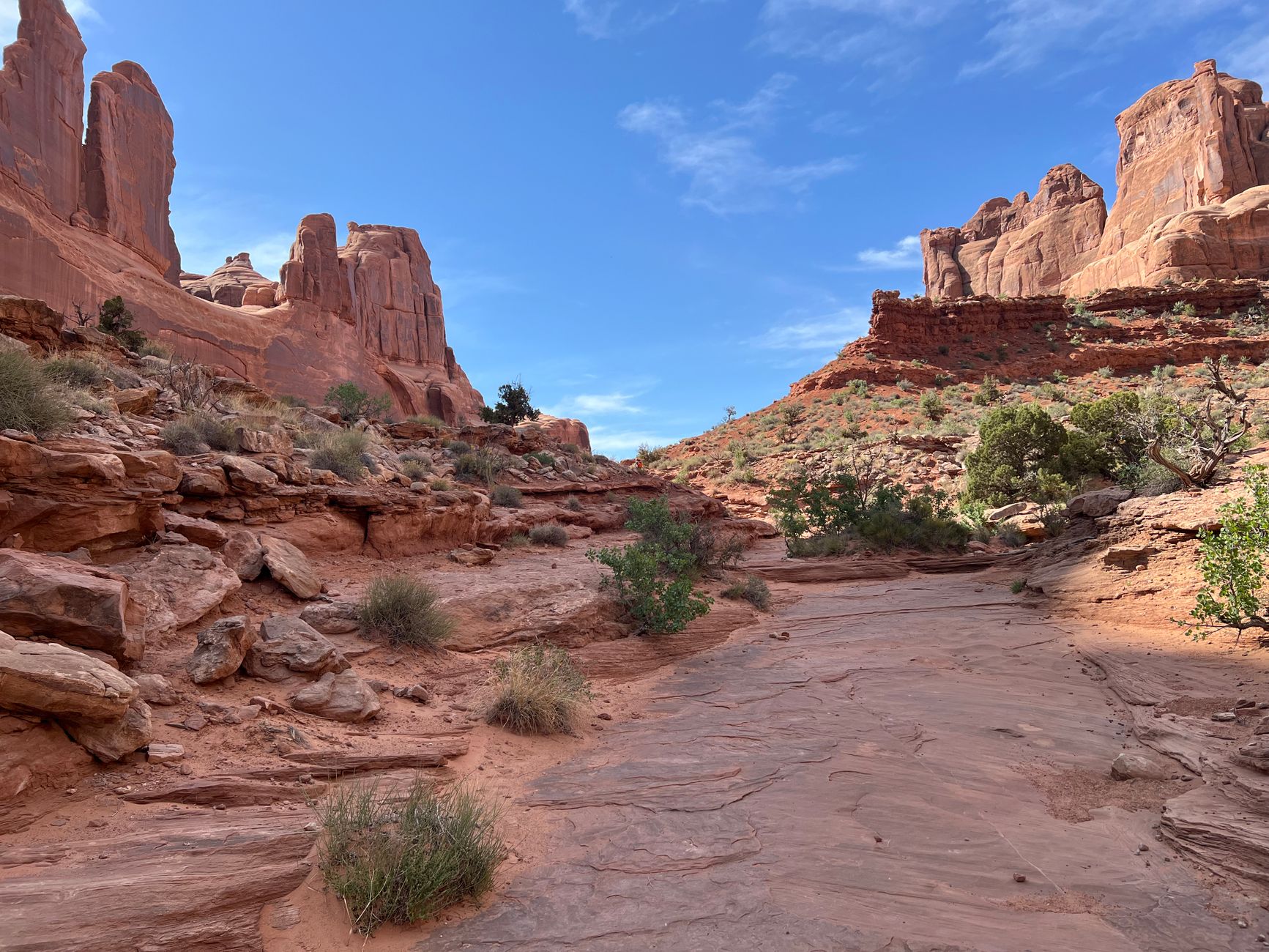
The Emerald Lakes of Tongariro Alpine Crossing — volcanic pools of impossible green sitting in Mars-like terrain. One of the most otherworldly day hikes on Earth, and it’s on the North Island.

Most travelers fly to New Zealand, head straight to the South Island, and miss half the country. I get it — Milford Sound and the Southern Alps are magnetic. But having spent three weeks exploring the North Island from top to bottom, I’m convinced it’s the more diverse half. Active volcanoes you can hike across. Geothermal pools erupting from the earth. Subtropical beaches with no one on them. Ancient rainforests dripping with moss. If you’re looking for a reliable New Zealand North Island guide, this is everything I wish I’d known before my first trip — from the Tongariro Alpine Crossing to the Bay of Islands, organized for nature lovers who want more than just checking boxes.

The North Island packs an absurd amount of variety into a landmass smaller than Colorado. In a single week, you can hike across an active volcanic field, soak in natural hot springs next to a river, bodysurf on golden sand beaches, walk through 1,000-year-old kauri forests, and swim with dolphins in subtropical waters. The landscapes shift every hour of driving.

And unlike the South Island, the North Island has warmer weather, more Māori cultural experiences, fewer tourists (outside of Rotorua and Hobbiton), and some of the country’s best coastal scenery.

Key Takeaways

  • Tongariro Alpine Crossing is the North Island’s must-do hike — 19.4 km across active volcanic terrain with emerald crater lakes.
  • Rotorua is geothermal central — bubbling mud pools, geysers, and Māori cultural performances within walking distance of each other.
  • The Coromandel Peninsula has beaches that rival Southeast Asia — Cathedral Cove, Hot Water Beach, and empty golden coastline.
  • Best time to visit: November-April (Southern Hemisphere summer/autumn) for warm weather and reliable hiking conditions.
  • 2-3 weeks is ideal for the North Island alone; one week hits the highlights if you’re focused.
  • Driving is the best way to explore — distances are manageable, roads are excellent, and you’ll miss half the spots without a car.
  • Budget for NZ$150-250/day (per person) for mid-range travel including accommodation, food, fuel, and activities.
  • The North Island complements the South Island — do both if you have 4+ weeks, or pick one for shorter trips.

Quick Facts

DetailInfo
LocationNorth Island, New Zealand (Te Ika-a-Māui in Māori)
Size113,729 km² (roughly the size of Virginia + West Virginia)
Population~3.9 million (77% of NZ’s population)
Major citiesAuckland, Wellington, Hamilton, Rotorua, Tauranga
LanguageEnglish + Te Reo Māori
CurrencyNew Zealand Dollar (NZD)
Best monthsNovember-April (summer/autumn)
Driving sideLeft
Time zoneNZST (UTC+12), NZDT in summer (UTC+13)
VisaNZeTA required for most visa-waiver nationalities (~NZ$12-17)
PowerType I plug (same as Australia) — bring an adapter
Fuel cost~NZ$2.50-3.00/litre (expensive — budget accordingly)

Top Nature Experiences on the North Island

1. Tongariro Alpine Crossing

DetailInfo
Distance19.4 km (12 miles) one-way
Duration6-8 hours
DifficultyModerate-hard (fitness required; exposed alpine terrain)
Elevation gain765m (2,510 ft)
Highest point1,886m (6,188 ft) — Red Crater
SeasonLate October – April (winter crossing requires alpine experience + gear)
Shuttle cost~NZ$40-50 return (book in advance during peak season)
LocationTongariro National Park (central North Island)
The Tongariro Alpine Crossing isn’t just the best day hike in New Zealand — it’s one of the best day hikes on Earth. Period. You walk across an active volcanic field, past steaming vents, over the rim of Red Crater (which last erupted in 2012), and down past the Emerald Lakes — three volcanic pools of such vivid green they look digitally enhanced.

What makes it special:

  • Active volcanic terrain with steaming vents and sulfur deposits
  • The Emerald Lakes — three impossibly green crater lakes colored by volcanic minerals
  • Blue Lake (sacred to Māori — no swimming or eating near it)
  • Views of Mt Ngauruhoe (aka Mount Doom from Lord of the Rings)
  • The landscape changes every 30 minutes — forests to scrub to volcanic desert to alpine
Practical tips:
  • This is a one-way hike — you need shuttle transport between the start (Mangatepopo) and finish (Ketetahi)
  • Book shuttles in advance during December-February; they sell out
  • Start early (6-7 AM) to avoid afternoon crowds and potential weather changes
  • The weather changes FAST on this exposed alpine route — pack full rain gear, warm layers, and sun protection regardless of the forecast
  • DOC may close the crossing for volcanic activity or extreme weather — check alerts before your hike day
  • Carry 2+ liters of water — there’s no drinkable water on the route
  • The descent from Red Crater is steep loose scree — trekking poles help enormously
When to do it: The crossing is best from December through March for weather. November and April are shoulder months with fewer people but less predictable conditions. Winter crossings (June-September) require full alpine gear, crampons, ice axes, and mountain experience.

2. Rotorua Geothermal Region

Rotorua sits on one of the world’s most active geothermal fields, and you’ll smell it before you see it — the sulfur aroma hits you as you drive into town. But get past the rotten-egg greeting and you’ll find some of the planet’s most alien and beautiful thermal landscapes.

Top geothermal experiences:

PlaceTypeCostTime NeededHighlight
Wai-O-TapuThermal wonderland~NZ$402-3 hoursChampagne Pool — orange and green thermal lake
Te PuiaGeothermal + cultural~NZ$702-3 hoursPohutu Geyser (erupts to 30m) + Māori carving school
Kuirau ParkFree public parkFree1 hourSteaming pools and mud pots in a city park
Waimangu Volcanic ValleyVolcanic walk~NZ$453-4 hoursWorld’s youngest geothermal system (since 1886 eruption)
Hell’s GateMud baths + thermal~NZ$40-902-3 hoursMud baths you can actually soak in
Hot Water Beach (Coromandel)Natural beach springsFree1-2 hoursDig your own hot pool in the sand at low tide
Wai-O-Tapu is the standout for photographers. The Champagne Pool alone is worth the visit — a 65-meter-wide hot spring with vivid orange rims (mineral deposits) surrounding steaming turquoise water. The Artist’s Palette is a wide flat of multicolored thermal mud. And the Devil’s Bath is a pool of fluorescent green water that looks like it belongs in a sci-fi movie.

Cultural connection: Rotorua is the heartland of Māori culture. Many geothermal sites have deep spiritual significance, and visiting Te Puia or Tamaki Māori Village offers cultural performances (haka, poi, stories) alongside the natural wonders. I’d recommend prioritizing a cultural experience alongside the geothermal sightseeing — it adds meaningful context to the landscape.

3. Coromandel Peninsula

The Coromandel is the North Island’s beach paradise — a rugged peninsula of forested mountains dropping down to golden sand beaches, hidden coves, and crystal-clear water. It’s where Auckland residents escape on summer weekends, yet large sections remain empty and wild.

Must-visit spots:

Cathedral Cove — A massive natural rock arch framing a pristine white sand beach. The 40-minute coastal walk to reach it passes through native bush with ocean views. Go early morning or late afternoon to avoid crowds (this is Instagram-famous now). Swimming in the cove is gorgeous on calm days.

Hot Water Beach — Two hours either side of low tide, thermal springs push through the sand. Bring a shovel (or rent one at the cafe), dig yourself a pool, and soak in geothermally heated water while waves crash meters away. It’s surreal. Check tide times and go outside peak hours (the digging area is small and gets packed in summer).

New Chums Beach — Consistently rated one of the world’s best beaches, accessible only by a 30-minute coastal walk (no road access). Expect golden sand, native bush to the waterline, swimming in clear water, and very few people. No facilities — bring everything you need.

The Pinnacles (Kauaeranga Valley) — A 7-8 hour return hike (or overnight at the DOC hut) through dense rainforest to volcanic rock formations with panoramic peninsula views. The predawn start from the hut for sunrise at the summit is unforgettable.

4. Bay of Islands

The Bay of Islands, 3.5 hours north of Auckland, is where subtropical New Zealand begins. 144 islands scattered across a bay of clear turquoise water, with dolphins, penguins, and game fish cruising between them. It’s the warmest region of the North Island and feels distinctly tropical compared to the rest of the country.

Best experiences:

ActivityWhat to ExpectCostDuration
Dolphin swimmingWild bottlenose dolphins — swim with them in open water~NZ$150-180Half day
Hole in the Rock cruiseScenic cruise past islands, through a massive rock arch~NZ$100-1304-5 hours
KayakingPaddle between islands, beach landings, marine life~NZ$80-120Half day
Waitangi Treaty GroundsHistoric site where NZ’s founding document was signed~NZ$502-3 hours
Cape Reinga (day trip)NZ’s northern tip — where two oceans meetSelf-drive (free)Full day
Hiking (Russell/Paihia tracks)Coastal trails with bay viewsFree2-4 hours
My highlight: Swimming with wild dolphins. No pools, no trained animals — you’re dropped into the open ocean when the boat captain spots a pod, and the dolphins choose whether to interact. They almost always do. One of the most magical wildlife experiences I’ve ever had.

5. Hobbiton Movie Set

DetailInfo
LocationMatamata (2 hours south of Auckland)
Tour duration2 hours (guided only)
Cost~NZ$89 adults
BookingEssential — books out weeks in advance in peak season
Best time to visitFirst tour of the day for soft light and fewer buses
PhotographyUnlimited — no restrictions on cameras
Whether you’re a Lord of the Rings fanatic or just appreciate insane attention to detail, Hobbiton is genuinely impressive. The set was rebuilt permanently after the Hobbit trilogy (it was temporary for LOTR and destroyed after filming). Every hobbit hole, garden, and detail is maintained to movie-standard year-round.

Tips:

  • Book the Evening Banquet Tour if available — you get the set in golden hour light plus a feast in the Green Dragon Inn
  • The morning first tour has the best light for photography
  • Combine with Rotorua (90 minutes apart) for a day trip pairing
  • It’s touristy but well-managed — guides are knowledgeable and fun

6. Tongariro Northern Circuit (Great Walk)

For those wanting more than the day crossing, the Tongariro Northern Circuit is a 3-4 day Great Walk that loops around Mt Ngauruhoe (Mount Doom), incorporating the Alpine Crossing route plus additional volcanic terrain, tussock fields, and ancient lava flows.

DetailInfo
Distance43 km (27 miles) loop
Duration3-4 days
Huts4 DOC huts (bookable October-April)
Cost~NZ$36-65/night per person (hut pass)
DifficultyModerate (alpine sections require fitness)
SeasonOctober-April (winter requires alpine skills)

7. Waitomo Glowworm Caves

DetailInfo
LocationWaitomo (2.5 hours south of Auckland)
Tour optionsBoat tour, black-water rafting, abseiling, walking tours
CostNZ$55 (boat tour) to NZ$250+ (adventure combos)
Duration45 min (basic) to 5 hours (adventure)
Millions of bioluminescent glowworms clinging to cave ceilings create a living starfield underground. The basic boat tour floats you through in hushed silence; the adventure options involve wetsuiting up and tubing through underground rivers beneath the glowing ceiling.

Suggested Itineraries

One Week North Island Highlights

DayLocationHighlights
1Auckland → CoromandelCathedral Cove, Hot Water Beach
2Coromandel → HobbitonMorning beach, afternoon Hobbiton tour
3Hobbiton → RotoruaWai-O-Tapu, evening Māori cultural performance
4RotoruaTe Puia, Redwoods walk, hot pools
5Rotorua → TongariroDrive south, afternoon short walk
6Tongariro Alpine CrossingFull day hike (start 6 AM)
7Tongariro → WellingtonDrive to capital, Te Papa Museum, waterfront

Two-Week Deep Dive

DaysRegionKey Experiences
1-2Bay of IslandsDolphin swim, Hole in the Rock, Waitangi
3Waipoua ForestAncient kauri trees (Tāne Mahuta — Lord of the Forest)
4-5CoromandelCathedral Cove, Hot Water Beach, The Pinnacles hike
6WaitomoGlowworm caves + black-water rafting
7Hobbiton + RotoruaMovie set morning, geothermal evening
8-9RotoruaWai-O-Tapu, Waimangu, cultural experience, mountain biking Redwoods
10TaupoLake Taupo, Huka Falls, natural hot springs
11-12TongariroAlpine Crossing + Northern Circuit (or 2 day hikes)
13Kapiti CoastKapiti Island bird sanctuary (booking required)
14WellingtonTe Papa Museum, Zealandia ecosanctuary, waterfront

Practical Tips for North Island Travel

Getting Around

Rent a car. Public transport exists between major cities but you’ll miss 80% of the nature experiences without your own wheels. Roads are excellent but often winding and single-lane in rural areas — budget more driving time than GPS suggests.

  • Auckland to Rotorua: 3 hours
  • Auckland to Coromandel: 2.5 hours
  • Rotorua to Tongariro: 1.5 hours
  • Tongariro to Wellington: 4 hours
  • Auckland to Bay of Islands: 3.5 hours
Drive on the left. If you’re from a right-hand-drive country, take extra care at roundabouts and when turning — most tourist accidents happen at intersections.

Budget Breakdown

CategoryBudget (per person/day)Mid-RangeSplurge
AccommodationNZ$30-50 (hostel/camping)NZ$80-150 (motel/B&B)NZ$200-400 (lodge)
FoodNZ$30-40 (self-catering)NZ$50-80 (mix of dining)NZ$100+ (restaurants)
ActivitiesNZ$0-30 (free hikes)NZ$50-100NZ$150-250
FuelNZ$20-40NZ$20-40NZ$20-40
Daily totalNZ$80-160NZ$200-370NZ$470-690+

Weather and Seasons

SeasonMonthsTemperaturesConditions
SummerDec-Feb20-30°C (68-86°F)Warm, long days, occasional rain
AutumnMar-May15-22°C (59-72°F)Stable, fewer crowds, golden light
WinterJun-Aug8-15°C (46-59°F)Cool, wet, snow on volcanoes only
SpringSep-Nov12-20°C (54-68°F)Variable, wildflowers, lambing season
Best for hiking: December-March (warmest, driest, longest days) Best for fewer crowds: March-May and September-November Avoid: Mid-winter (June-August) for outdoor activities unless you specifically want snow-capped volcano scenery

Safety Notes

  • Weather changes rapidly in alpine areas (Tongariro especially). Check DOC and MetService forecasts.
  • Sandflies are vicious near rivers, beaches, and bush edges — bring repellent.
  • Sun is INTENSE — the ozone layer is thinner over NZ. Wear SPF 50+, even on overcast days.
  • Road fatigue kills — single-lane roads with oncoming traffic require constant attention. Stop every 2 hours.
  • No dangerous wildlife — no snakes, no bears, no predators. The most dangerous animals are other drivers.

A Quick Reflection

I almost skipped the North Island entirely. My original plan was to fly into Auckland, spend one night, then immediately fly to Queenstown for the South Island adventure. A Kiwi friend talked me out of it. “Mate, you’ll regret skipping the north. The South Island is mountains and lakes. Gorgeous, but one-note. The North Island is everything else.”

He was right. In my first three days, I went from subtropical beaches where I was the only person for a kilometer, to swimming with wild dolphins, to walking among 2,000-year-old kauri trees so enormous they made California redwoods feel normal. By day five, I was hiking across an active volcano, steam rising from vents beside the trail, looking down at emerald crater lakes that seemed to glow from within.

The North Island doesn’t have the dramatic mountain-and-lake postcards that the South Island is famous for. What it has instead is variety — a concentrate of completely different ecosystems and landscapes packed so close together that every day feels like a different country. That, and warmth. Actual swimnable-ocean warmth. After three weeks in the North Island, I was deeply tanned, slightly sand-damaged, and had taken more photos than in any trip before or since.

Frequently Asked Questions

Is the North Island or South Island better for nature?

Both are incredible but different. The South Island has dramatic mountain scenery, glaciers, Milford Sound, and world-class multi-day hikes. The North Island has volcanic landscapes, geothermal areas, subtropical beaches, ancient forests, and marine wildlife. If you have 4+ weeks, do both. For shorter trips, the North Island offers more variety per day; the South Island offers more raw mountain grandeur.

How long do I need for the North Island?

One week covers the main highlights (Tongariro, Rotorua, Coromandel) at a fast pace. Two weeks allows a relaxed exploration including the Bay of Islands, Waitomo, and time for spontaneous detours. Three weeks lets you slow down, add multi-day hikes, and experience the island without rushing.

Do I need to book the Tongariro Alpine Crossing in advance?

You don’t need to book the hike itself (it’s not a ticketed walk), but you DO need to book shuttle transport in advance during peak season (December-February) as they sell out. You’ll also need to check DOC’s volcanic alert level — the crossing closes if volcanic risk increases. Book accommodation in the area in advance too, as National Park village has limited options.

Is New Zealand expensive to visit?

New Zealand is a mid-to-high cost destination. Accommodation and fuel are the biggest expenses. Budget travelers can manage on NZ$80-160/day per person using hostels, campervans, and self-catering. Mid-range travelers should budget NZ$200-370/day. The weak NZD relative to USD/EUR helps — your money goes further than the numbers suggest.

Before you go, check official travel and conditions info on the official Tourism New Zealand site.

Final Thoughts

The New Zealand North Island doesn’t get the travel magazine covers that the South Island does — and frankly, that’s part of its appeal. Fewer tour buses, fewer Instagram crowds, and a diversity of landscapes that shifts every hour of driving.

Whether you’re hiking across volcanic craters on the Tongariro Alpine Crossing, soaking in geothermal pools beside bubbling mud, or swimming with dolphins in subtropical Bay of Islands waters, the North Island delivers experiences that are genuinely hard to find anywhere else on Earth.

Start with the Tongariro Crossing and Rotorua — they’re the island’s non-negotiables. Then let the Coromandel coast, the ancient kauri forests, and the Bay of Islands fill in the rest of your time. You won’t regret giving this island more days than you originally planned.

Related Guides

Planning a full New Zealand trip? These will help:

Use Our Free Trip Planner →

✈️ Planning your trip?

Compare cheap flights, hotels and car rentals for your adventure.

Find Cheap Flights →Compare Hotels →

🌍 Plan & Book Your Trip

Compare the best deals for this destination — flights, hotels, tours and more:

Affiliate links — we may earn a commission at no extra cost to you.

Leave a Comment

Your email address will not be published. Required fields are marked *

Scroll to Top