12 Best Hikes Near Seattle, Washington

12 Best Hikes Near Seattle, Washington
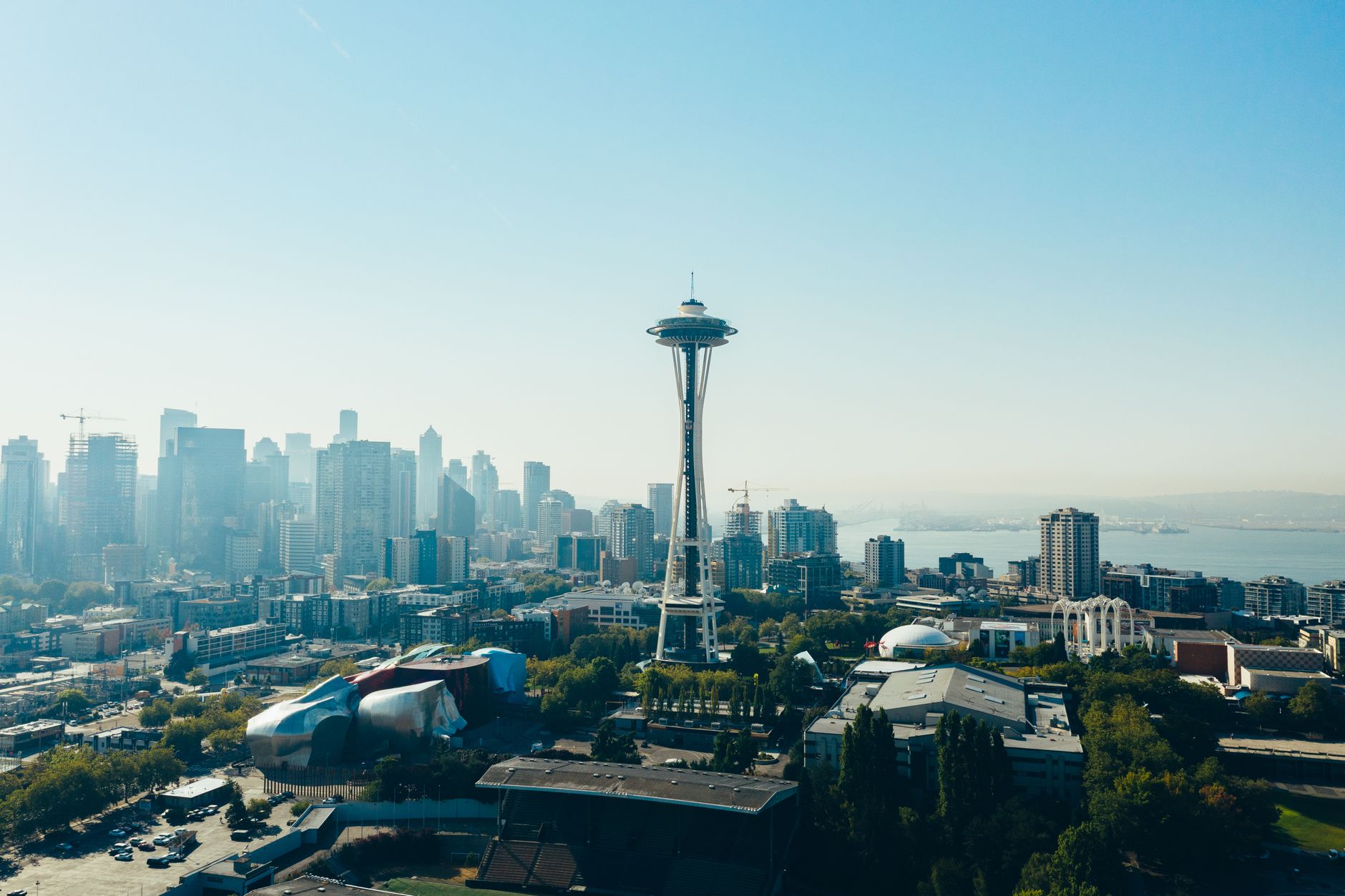
Photo by Isaac Garcia on Pexels

12 Best Hikes Near Seattle, Washington

🌍 Plan & Book Your Trip

Compare the best deals for this destination — flights, hotels, tours and more:

Affiliate links — we may earn a commission at no extra cost to you.

The Pacific Northwest delivers like nowhere else — ancient rainforests, alpine lakes, volcanic peaks, and waterfalls, all within 90 minutes of downtown Seattle.

Living two hours from Seattle for three years gave me access to what I consider the best hiking corridor in the continental United States. Within 90 minutes of downtown, you can stand on alpine ridgelines looking at glaciated volcanoes, swim in crystal-clear mountain lakes, wander through temperate rainforests dripping with moss, and chase waterfalls through old-growth forest. If you’re searching for the best hikes near Seattle, I’ve ranked my 12 favorites from easy family-friendly walks to leg-burning summit pushes that earn their views.

The Pacific Northwest spoils hikers. The combination of Cascade Range volcanoes, lush evergreen forests, thousands of alpine lakes, and proximity to major cities creates a hiking density that’s hard to match anywhere. Seattle sits perfectly positioned between the Olympics to the west and the Cascades to the east — meaning world-class trails exist in every direction.

Here’s my curated list, organized from easiest to most challenging.

Key Takeaways

  • Parking passes required at most trailheads — Discover Pass (state) or NW Forest Pass (national forest). Annual passes save money if hiking often.
  • Summer (July-September) is prime season. Alpine trails are often snow-covered until mid-July.
  • Arrive by 7 AM on weekends at popular trailheads (Rattlesnake, Snow Lake, Mt. Si) or you won’t find parking.
  • Rain gear is non-negotiable year-round. The PNW can shift from sun to downpour in minutes.
  • Traction devices (microspikes) needed for shoulder-season hiking (October-June) above 3,500 feet.
  • Cell service is unreliable on most mountain trails — download offline maps.
  • Bear and cougar country — make noise, carry bear spray in remote areas.
  • Wildfire season (August-September) can close trails and create hazardous air quality. Check WTA.org for current conditions.

Quick Facts

DetailInfo
RegionWestern Washington (Cascade Range + Puget Sound foothills)
Drive time from Seattle30 minutes to 2 hours
Best monthsJuly–September (snow-free alpine, warm)
Shoulder seasonMay–June, October (lower trails clear; alpine still snowy)
Year-round hikesRattlesnake Ledge, Twin Falls, Wallace Falls, Franklin Falls
Parking passesDiscover Pass ($30/yr) or NW Forest Pass ($30/yr)
Trail conditionsWTA.org (Washington Trails Association) — updated weekly by hikers
Hikes listed12 (4 easy, 4 moderate, 4 hard)
Dogs allowedMost trails (leash required) — noted for each hike
Wilderness permitsOnly needed for overnight stays (day hikes are free)

The 12 Best Hikes Near Seattle

EASY HIKES (Family-Friendly)

1. Rattlesnake Ledge

DetailInfo
Distance4 miles round trip
Elevation gain1,160 feet
DifficultyEasy-Moderate
Drive from Seattle35 minutes (I-90 East)
Pass requiredNone (free parking lot)
DogsYes (leash required)
Best seasonYear-round
The most popular hike in the greater Seattle area for a reason: huge payoff for minimal effort. The trail climbs steadily through second-growth forest to a dramatic rock ledge overlooking Rattlesnake Lake and the Cedar River Watershed, with views of Mt. Si and the Cascade foothills stretching in every direction.

Why I love it: It’s my go-to “I only have 2 hours” hike. The viewpoint is genuinely impressive — a sheer cliff edge with a 180-degree panorama. On clear days, you can see Mt. Rainier to the south.

Tips:

  • Arrive before 8 AM on summer weekends — the parking lot fills by 9 AM and cars line the road for half a mile.
  • The trail is well-maintained and wide enough for passing.
  • Continue past the main ledge for less-crowded upper viewpoints (adds 1 mile).
  • Don’t let the “easy” rating fool you — it’s a sustained uphill. Take breaks.

2. Twin Falls Trail

DetailInfo
Distance2.6 miles round trip
Elevation gain500 feet
DifficultyEasy
Drive from Seattle35 minutes (I-90 East)
Pass requiredDiscover Pass
DogsYes (leash required)
Best seasonYear-round (best in spring for water flow)
A gentle forest walk along the South Fork Snoqualmie River to a series of cascading waterfalls viewed from a dramatic bridge and viewing platforms. The 135-foot lower falls are the highlight, but the entire trail through old-growth forest is beautiful.

Why I love it: Perfect rainy-day hike. The forest canopy provides shelter, and the waterfalls are most impressive after heavy rain. It’s also flat enough for families with young kids (stroller-friendly for the first half).

Tips:

  • Visit in spring (April-May) for peak water flow — the falls are thunderous.
  • The lower viewpoint bridge is spectacular but can be slippery when wet.
  • Combine with Rattlesnake Ledge (same exit off I-90) for a full day.

3. Franklin Falls

DetailInfo
Distance2 miles round trip
Elevation gain400 feet
DifficultyEasy
Drive from Seattle50 minutes (I-90 East to Snoqualmie Pass area)
Pass requiredNone
DogsYes (leash required)
Best seasonMay–November (road access seasonal)
A short, family-friendly trail to a stunning 70-foot waterfall that you can walk right up to the base of. In summer, the mist from the falls creates a natural air conditioner — kids love playing in the spray.

Why I love it: Maximum reward for minimum effort. The waterfall is genuinely impressive (not one of those “follow a trail for an hour to see a trickle” situations), and on hot summer days, the mist is glorious.

Tips:

  • The old Denny Creek Road trailhead (2-mile version) is the standard route.
  • Can be combined with nearby Denny Creek Trail (natural waterslides — bring swimsuits for kids).
  • Very popular — arrive early on summer weekends.
  • The trail crosses talus slopes that can be tricky for very small children.

4. Wallace Falls (Lower Falls Viewpoint)

DetailInfo
Distance5.6 miles round trip (to lower falls)
Elevation gain1,300 feet
DifficultyEasy-Moderate
Drive from Seattle50 minutes (US-2 East)
Pass requiredDiscover Pass
DogsYes (leash required)
Best seasonYear-round
A well-maintained trail through lush forest to a series of towering waterfalls on the Wallace River. The lower falls viewpoint (265 feet tall) is the classic turnaround for most hikers, though you can continue to middle and upper falls for more mileage.

Why I love it: Wallace Falls is BIG — 265 feet of cascading whitewater framed by old-growth cedar forest. The viewpoint platform provides a perfect perspective, and the trail itself is gorgeous (wooden bridges, fern grottoes, creek crossings).

Tips:

  • The Woody Trail (right fork at the junction) is longer but more scenic than the Railroad Grade route.
  • Spring and early summer offer the best water flow.
  • The trail can be muddy year-round — waterproof boots recommended.
  • Parking fills quickly on sunny weekends — arrive before 9 AM.

MODERATE HIKES (Half-Day Adventures)

5. Snow Lake

DetailInfo
Distance7.2 miles round trip
Elevation gain1,800 feet
DifficultyModerate
Drive from Seattle55 minutes (I-90 East, Snoqualmie Pass)
Pass requiredNW Forest Pass
DogsYes (leash required)
Best seasonJuly–October (snow-free)
The most popular alpine lake hike in the I-90 corridor — and for good reason. The trail climbs through forest to a ridgeline, then descends to a stunning alpine lake surrounded by dramatic granite cliffs. On warm summer days, the lake is swimmable (cold but refreshing).

Why I love it: Snow Lake is the quintessential Cascades alpine lake experience: crystal-clear water reflecting granite peaks, surrounded by alpine meadows dotted with wildflowers (July-August). It feels like wilderness despite being an hour from downtown.

Tips:

  • Extremely popular. Arrive by 7 AM on summer weekends or expect a full parking lot and a crowded trail.
  • The trail loses 400 feet descending to the lake — remember you’ll have to climb back up on the return.
  • Bring swimsuit in July-August — the lake warms up enough for a bracing swim.
  • Microspikes needed until mid-July in most years (snow lingers on north-facing sections).
  • Continue to Gem Lake (adds 3 miles) for solitude and stunning granite scenery.

6. Lake Serene & Bridal Veil Falls

DetailInfo
Distance8.2 miles round trip (with falls side trip)
Elevation gain2,000 feet
DifficultyModerate
Drive from Seattle55 minutes (US-2 East)
Pass requiredNW Forest Pass
DogsYes (leash required)
Best seasonJune–October
A two-for-one hike: a side trail leads to the towering Bridal Veil Falls (1,328 feet — one of Washington’s tallest), while the main trail climbs to Lake Serene — a stunning emerald lake tucked beneath the sheer granite walls of Mt. Index.

Why I love it: Lake Serene might be the most dramatic lake setting on this list. The vertical granite cliffs of Mt. Index rise 4,000 feet directly from the shore, creating an amphitheater effect that makes you feel tiny. The Bridal Veil Falls side trip adds even more value.

Tips:

  • Take the Bridal Veil Falls side trail on the way up (left fork about 1.5 miles in) — adds 2 miles total.
  • The last mile to Lake Serene involves wooden stairways and granite scrambling — can be slippery wet.
  • The lake is cold even in August — swimming is for the brave.
  • Trail is often muddy — waterproof boots essential.

7. Mailbox Peak (New Trail)

DetailInfo
Distance9.4 miles round trip (new trail)
Elevation gain4,000 feet
DifficultyModerate-Hard
Drive from Seattle40 minutes (I-90 East)
Pass requiredNone
DogsYes (leash required — old trail not recommended for dogs)
Best seasonJune–October
Mailbox Peak has a legendary reputation in Seattle hiking circles. The old trail was a notoriously brutal straight-up scramble (4,000 feet in 2.5 miles). The new trail adds switchbacks and mileage for a more sustainable (but still demanding) climb to a summit with panoramic views and a mailbox where hikers leave notes.

Why I love it: The summit views are exceptional — 360-degree panorama of Mt. Rainier, Mt. Baker, the Olympics, and the entire Snoqualmie Valley. The iconic mailbox at the summit is fun. And the sense of accomplishment after 4,000 feet of climbing is real.

Tips:

  • Take the NEW trail (marked at the trailhead) — the old trail is dangerously steep, eroded, and unmaintained.
  • Start early — 4,000 feet of gain is a full-day commitment (5-7 hours round trip).
  • Bring more water than you think (no water sources on trail).
  • Microspikes needed well into July on upper sections.
  • The summit is exposed — bail if thunderstorms are building.

8. Heather Lake

DetailInfo
Distance4.4 miles round trip
Elevation gain1,100 feet
DifficultyModerate
Drive from Seattle1 hour (Mountain Loop Highway)
Pass requiredNW Forest Pass
DogsYes (leash required)
Best seasonJune–October
A relatively short but rewarding hike through old-growth forest to a subalpine lake surrounded by cliffs and waterfalls. The lake sits in a glacial cirque below Mt. Pilchuck, with seasonal waterfalls cascading down the headwall.

Why I love it: Heather Lake feels more remote than it is. The combination of ancient forest, lake, and cliff walls creates an intimate atmosphere that bigger lakes lack. It’s also manageable for families with older kids.

Tips:

  • Trail is very rooty and can be muddy — proper footwear essential.
  • The old-growth section is stunning — some trees are 500+ years old.
  • Combine with nearby Lake Twentytwo for a full day (both off Mountain Loop Hwy).
  • Parking lot is small — arrive before 9 AM on summer weekends.

HARD HIKES (Full-Day Challenges)

9. Mount Si

DetailInfo
Distance8 miles round trip
Elevation gain3,150 feet
DifficultyHard
Drive from Seattle35 minutes (I-90 East)
Pass requiredNone
DogsYes (leash required)
Best seasonYear-round (microspikes in winter)
Seattle’s signature training hike. Mt. Si is a relentless 4-mile climb through forest to a broad viewpoint overlooking the Snoqualmie Valley, with Mt. Rainier dominating the southern horizon. It’s where locals train for bigger mountains and where visitors earn one of the best easily-accessible viewpoints in the Cascades.

Why I love it: Mt. Si is the barometer of Seattle hiking fitness. If you can hike Mt. Si comfortably in 2 hours up, you’re ready for any day hike in the Cascades. The viewpoint rewards your effort with a sweeping panorama that includes Rainier, the Olympics, and the entire Seattle metro area below.

Tips:

  • The most popular hike in Washington state. Arrive by 7 AM on weekends — the 400-car lot fills by 9 AM.
  • The summit (“Haystack Rock”) requires Class 3 scrambling — most hikers stop at the viewpoint just below.
  • No water sources — bring 2-3 liters minimum.
  • Usable year-round with microspikes, but snow above 3,000 feet from November-May.
  • There’s a new parking reservation system in peak season — check WTA for current info.

10. Skyline Trail (Mt. Rainier)

DetailInfo
Distance5.5 miles loop
Elevation gain1,700 feet
DifficultyModerate-Hard
Drive from Seattle2 hours (Paradise, Mt. Rainier NP)
Pass requiredNational Park entrance fee ($30/vehicle)
DogsNo (not allowed on trails in MRNP)
Best seasonMid-July to September (snow-free)
The crown jewel of Pacific Northwest day hikes. The Skyline Trail at Paradise loops through wildflower meadows with Mt. Rainier’s glaciated summit towering directly above you — so close you can hear the glaciers cracking. When the meadows peak (late July-early August), it’s carpets of lupine, paintbrush, and aster with the volcano as a backdrop.

Why I love it: Nothing — absolutely nothing — in my Pacific Northwest hiking experience compares to walking through Paradise wildflower meadows with Rainier’s 14,411-foot summit filling the sky above you. It’s the single most spectacular day hike within 2 hours of Seattle.

Tips:

  • Peak wildflower season: late July to mid-August (varies by snow year).
  • The Paradise parking lot fills by 10 AM on summer weekends — arrive by 8 AM or visit weekdays.
  • Snow lingers on the upper trail until mid-July in many years. Check conditions before going.
  • Go counterclockwise (uphill toward Panorama Point first) for the best progression of views.
  • This is high elevation (5,400-6,800 feet) — move slower than your flat-ground fitness suggests.
  • Weather changes rapidly — bring layers and rain gear even on clear mornings.

11. Chain Lakes Loop (Mt. Baker)

DetailInfo
Distance7.5 miles loop
Elevation gain1,800 feet
DifficultyModerate-Hard
Drive from Seattle2.5 hours (Mt. Baker Highway)
Pass requiredNW Forest Pass
DogsYes (leash required in wilderness)
Best seasonAugust–October (very late snow melt)
A loop through subalpine meadows connecting four stunning alpine lakes with Mt. Baker and Mt. Shuksan as constant companions. This trail has arguably the most consistently beautiful scenery of any day hike in Washington — every turn reveals a new lake, meadow, or volcanic peak.

Why I love it: The Chain Lakes Loop is a highlight reel with no filler. Every half-mile brings a new jaw-dropping vista — Table Lake reflecting Mt. Shuksan, Iceberg Lake nestled below volcanic cliffs, and Herman Saddle providing 360-degree mountain panoramas. If you can only do ONE alpine hike near Seattle, this is a strong argument for the winner.

Tips:

  • Snow lingers on Herman Saddle well into August — check trip reports on WTA before going.
  • Start at Artist Point (end of Mt. Baker Highway, SR 542) — parking area has bathrooms.
  • Hike counterclockwise for the best view progression.
  • Bring layers — the ridge sections can be windy and cold even in summer.
  • This trail is remote — limited cell service, no bailout options mid-loop.
  • Wildflowers peak in late August here (later than Rainier due to deeper snowpack).

12. The Enchantments (Aasgard Pass Route)

DetailInfo
Distance19 miles (point-to-point) or 9 miles (Colchuck Lake + Aasgard)
Elevation gain4,500 feet (to Upper Enchantments via Aasgard)
DifficultyVery Hard
Drive from Seattle2.5 hours (Leavenworth area)
Pass requiredNW Forest Pass + Enchantment Permit (overnight — lottery system)
DogsNo (not allowed in Enchantment Zone)
Best seasonMid-July to October
The Enchantments is often called the most beautiful hike in Washington — a granite wonderland of alpine lakes, larches, and mountain goats that requires either a lottery-system overnight permit or a brutal 19-mile day hike through-and-out. Aasgard Pass (the shortcut up) gains 2,200 feet in 0.75 miles of Class 2 scrambling.

Why I love it: The Upper Enchantments look like Patagonia crossed with the Swiss Alps — except they’re in Washington State. Crystal-clear lakes reflecting granite spires, meadows of golden larch (September-October), and mountain goats wandering through camp. It’s the holy grail of Northwest hiking.

Tips:

  • Overnight permits are lottery-only — apply in February for summer dates. Success rate is ~20%.
  • The day-hike option (through-hike, 19 miles) is brutally long but doesn’t require a permit.
  • Aasgard Pass (the steep route up from Colchuck Lake) is exhausting but the fastest way into the Upper Enchantments.
  • September-early October for golden larch season — the #1 most photographed time.
  • Bring 3+ liters of water for the Aasgard Pass climb (no water on the pass itself).
  • Start at 4 AM if day-hiking the full through-route.

Comparison: Which Hike Should You Choose?

If You Want…Do This HikeWhy
Best bang for buck (short + stunning)Rattlesnake LedgeBig viewpoint, minimal effort
Best waterfallWallace Falls or Bridal Veil FallsTowering cascades in lush forest
Best alpine lakeSnow Lake or Lake SereneClassic Cascades lake experience
Best wildflowersSkyline Trail (Rainier)Nothing else compares in bloom
Best mountain viewsChain Lakes LoopBaker + Shuksan all day
Best fitness challengeMt. Si or Mailbox PeakRelentless vertical gain
Best overall (if you only pick one)Skyline Trail (Rainier)The Pacific Northwest’s crown jewel

A Quick Reflection

I moved to the Pacific Northwest expecting rain and gray skies. What I didn’t expect was the way that first clear summer morning would hit me — driving east on I-90, watching Mt. Rainier emerge from the haze like a white cathedral floating above the green foothills, and realizing that this impossible mountain was just… there. Every day. From my office window, from the grocery store parking lot, from highway overpasses.

But the moment that truly converted me was a Tuesday evening in August — after work, I drove 35 minutes to Rattlesnake Ledge, power-hiked to the summit in 45 minutes, and sat on the edge watching the sun set behind the Olympics while the Snoqualmie Valley turned golden below me. I was back home by 8:30 PM.

That’s what makes Seattle’s hiking access extraordinary. It’s not just that world-class trails exist nearby — it’s that they’re accessible as a WEEKDAY EVENING activity. You can leave your office at 5 PM, stand on a mountain viewpoint by 6:30, and be home for dinner. I’ve never experienced that anywhere else.

Frequently Asked Questions

For up-to-date trail reports around Seattle, check the Washington Trails Association before you go.

Final Thoughts

Seattle might be known for coffee, tech, and gray skies — but for hikers, it’s a paradise hiding in plain sight. Within 90 minutes of downtown, you have access to everything from gentle forest walks to alpine ridge traverses, rainforest waterfalls to volcanic crater rims, and subalpine meadows exploding with wildflowers in summer.

The key is timing: arrive early on summer weekends (trailhead parking is competitive), carry rain gear year-round (this IS the Pacific Northwest), and embrace the shoulder seasons (fall color in the Enchantments, winter waterfalls at Wallace Falls) when the crowds disappear.

Start with Rattlesnake Ledge to get hooked. Graduate to Snow Lake for your first alpine experience. Then work up to the Skyline Trail at Rainier — because once you walk through those wildflower meadows with the volcano towering above, you’ll understand why people build their entire lives around being close to these mountains.

Planning a Seattle hiking trip? Use our Trip Planner to organize your hike list, check trail conditions, and plan your itinerary around weather and seasons.

Related Reading:

✈️ Planning your trip?

Compare cheap flights, hotels and car rentals for your adventure.

Find Cheap Flights →Compare Hotels →

🌍 Plan & Book Your Trip

Compare the best deals for this destination — flights, hotels, tours and more:

Affiliate links — we may earn a commission at no extra cost to you.

Leave a Comment

Your email address will not be published. Required fields are marked *

Scroll to Top