Patagonia Travel Guide for First-Timers
🌍 Plan & Book Your Trip
Best deals powered by Travelpayouts:
Affiliate links — no extra cost to you.
The towers of Torres del Paine — the crown jewel of Patagonia.
Wind-scoured granite spires, glaciers that calve into electric-blue lakes, guanacos grazing under impossibly big skies — Patagonia is the kind of place that rearranges your idea of “wild.” Spanning the southern reaches of both Chile and Argentina, it’s the dream destination for hikers, photographers, and anyone chasing raw, end-of-the-world landscapes.
It’s also remote, weather-beaten, and logistically tricky for first-timers. This guide covers when to go, where to base, and what you really need to know before you make the long journey south.
Key Takeaways
- Patagonia spans southern Chile and Argentina — many trips combine both.
- The headline parks are Torres del Paine (Chile) and Los Glaciares / El Chaltén (Argentina).
- Summer = December to February here (it’s the Southern Hemisphere).
- The wind and fast-changing weather are legendary — pack and plan for it.
- It’s remote: plan flights, transfers, and park bookings well in advance.
Quick Facts
| 📍 Location | Southern Chile & Argentina |
|---|---|
| 🏔️ Icons | Torres del Paine, Fitz Roy, Perito Moreno Glacier |
| 🗓️ Best time | Nov–March (peak Dec–Feb) |
| 🚪 Gateways | Punta Arenas / Puerto Natales (Chile); El Calafate / El Chaltén (Argentina) |
| ⏱️ Ideal stay | 8-14 days |
| 🌬️ Wildcard | Fierce wind & four-seasons-in-a-day weather |
How to Get There
Patagonia is far from everything, so expect a journey. Most travelers connect through Santiago (Chile) or Buenos Aires (Argentina), then take a domestic flight south:
- Chile side: Fly to Punta Arenas, then drive/bus to Puerto Natales, the gateway to Torres del Paine.
- Argentina side: Fly to El Calafate, the base for the Perito Moreno Glacier, then head to El Chaltén, the trekking capital near Mount Fitz Roy.
Many first-timers combine both countries in one trip, crossing the border by bus — just budget time and patience for the logistics.
Best Time to Visit
Remember: Patagonia is in the Southern Hemisphere, so the seasons are flipped.
- Summer (December–February): Peak season — longest days, warmest temps, everything open. Also the busiest and windiest. Book far ahead.
- Shoulder (November & March): Excellent — fewer crowds, beautiful light, and in fall (March-April) the lenga forests turn red and gold. Weather is more variable.
- Winter (June–August): Cold, short days, and many trails, refugios, and services close. Only for specific winter trips.
The Best Things to Do
- Torres del Paine (Chile) — The crown jewel. Hike the famous base of the Torres day hike, or take on the multi-day “W” Trek or full “O” Circuit past glaciers, lakes, and granite towers.
- Mount Fitz Roy & El Chaltén (Argentina) — Argentina’s trekking capital, with world-class day hikes like Laguna de los Tres beneath the jagged Fitz Roy massif.
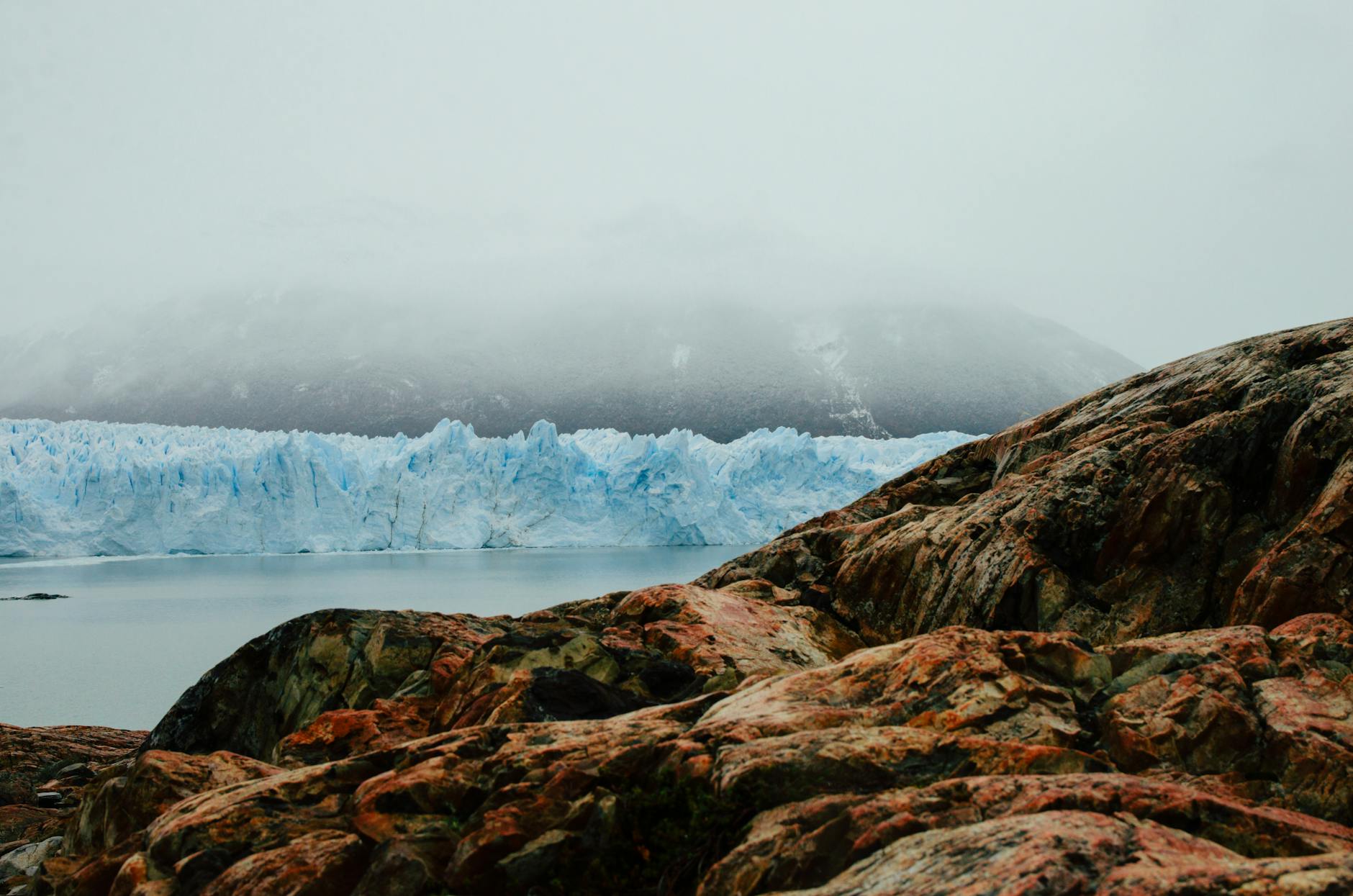
- Perito Moreno Glacier (Argentina) — A massive, accessible glacier near El Calafate where you can watch ice calve from boardwalks, or take a guided ice walk.
- Wildlife watching — Guanacos, condors, foxes, and (in Torres del Paine) even pumas.
- Scenic boat trips — To glaciers and across turquoise lakes for jaw-dropping views.
The Treks (Beginner to Advanced)
- Day hikes: Base of the Torres (hard but doable in a day), Laguna de los Tres, Mirador Las Torres
- Multi-day: The “W” Trek (~4-5 days), the “O” Circuit (~7-9 days) in Torres del Paine
- Easy/accessible: Glacier boardwalks at Perito Moreno, short lookouts near El Chaltén
Where to Stay
- Puerto Natales (Chile): Base for Torres del Paine — hostels to hotels.
- Inside Torres del Paine: Refugios (mountain huts) and campsites along the trekking routes — book months ahead for summer.
- El Calafate (Argentina): Comfortable base for the Perito Moreno Glacier.
- El Chaltén (Argentina): Laid-back trekking village; you can hike straight from town.
What to Pack
- Serious layers — you really can get four seasons in one day
- A windproof, waterproof shell (non-negotiable — the wind is relentless)
- Broken-in hiking boots
- Sun protection — UV is strong, especially near ice
- A warm hat and gloves, even in summer
- Refillable water bottle — streams are often drinkable on trails
Suggested 10-Day Itinerary (Chile + Argentina)
Want a ready-made plan covering both countries’ highlights? Here’s a classic first-timer loop:
Days 1-2 — Arrive via Punta Arenas → Puerto Natales: Fly south, stock up on supplies and gear in Puerto Natales, and get your bearings for Torres del Paine.
Days 3-6 — Torres del Paine “W” Trek (Chile): Spend four days hiking the iconic W route past the towers, the French Valley, and Grey Glacier, sleeping in refugios or campsites. (Prefer day hikes? Base in the park and do the base-of-the-Torres hike instead.)
Day 7 — Cross to Argentina → El Calafate: Take the bus across the border to El Calafate, the gateway to the glaciers.
Day 8 — Perito Moreno Glacier: Spend the day on the boardwalks watching the ice calve, or take a guided mini-trek on the glacier itself.
Days 9-10 — El Chaltén & Fitz Roy: Transfer to Argentina’s trekking capital and hike Laguna de los Tres beneath Mount Fitz Roy before flying home.
Build in a buffer day or two — Patagonian weather and flights are unpredictable.
Chile or Argentina Side: Which First?
If you can’t do both, here’s how to choose:
- Choose the Chile side (Torres del Paine) if your priority is the famous multi-day W or O trek and the iconic granite towers.
- Choose the Argentina side (El Chaltén + El Calafate) if you prefer free, town-accessible day hikes with no park-transport logistics, plus the show-stopping Perito Moreno Glacier.
Many first-timers find the Argentine side easier for a shorter trip, since you can hike straight from El Chaltén without booking refugios. But with enough time, doing both is the classic Patagonia experience.
Budget & Costs
Patagonia is one of South America’s pricier regions, mostly because it’s so remote. The biggest costs are flights (international plus domestic legs to Punta Arenas or El Calafate), park fees and refugios, and guided activities like glacier treks. A few ways to manage it:
- Book domestic flights and refugios early — prices climb and availability vanishes for summer.
- Camp or use dorm-style refugios instead of premium lodges on the treks.
- Self-cater where you can; restaurant meals in remote towns add up fast.
- Carry cash (Chilean and Argentine pesos) — card acceptance and connectivity are patchy.
A Quick Reflection
Nothing prepared me for Patagonian wind. On the base-of-the-Torres hike, I leaned into gusts that genuinely held my body weight, laughing because there was nothing else to do. Then I crested the final scramble, and there they were: three granite towers glowing in the morning light above a glacial lake, the wind suddenly hushed. Every aching step and every gritty gust was worth that one moment. Patagonia makes you earn its beauty — and that’s exactly why it sticks with you forever.
Practical Tips & Mistakes to Avoid
- Book refugios, lodging, and flights early — summer sells out months ahead.
- Build in buffer days — weather can ground flights and close trails.
- Respect the wind and forecasts — turn back when conditions turn dangerous.
- Carry cash and plan for limited connectivity in remote areas.
- Allow time for border crossings if combining Chile and Argentina.
- Pack for all four seasons — sun, wind, rain, and cold can all hit in a single afternoon.
- Start hikes early to beat the strongest afternoon winds, especially on exposed ridgelines.
FAQ
What is the best time to visit Patagonia? The Southern Hemisphere summer, roughly November through March, with December to February being peak season for the warmest weather and longest days. November and March are great shoulder-season alternatives with fewer crowds.
How many days do you need in Patagonia? Plan at least 8-10 days, and ideally up to two weeks, especially if you want to combine Chilean highlights like Torres del Paine with Argentine ones like El Chaltén and the Perito Moreno Glacier.
Is Patagonia in Chile or Argentina? Both. Patagonia spans the southern parts of both countries, and many travelers visit highlights on each side, crossing the border during their trip.
Do you need to book Torres del Paine in advance? Yes, especially in summer. Park entry, campsites, and refugios on the popular treks fill up well ahead, so reserve as early as you can.
Is Patagonia expensive to visit? It can be, mainly due to its remoteness — international and domestic flights, park fees, refugios, and guided treks are the biggest costs. You can cut expenses by camping, using dorm-style refugios, self-catering, and booking flights and lodging well in advance.
Before you go, check park entry and trekking rules on the official Torres del Paine (CONAF) site.
Final Thoughts
Patagonia isn’t an easy trip — it’s far, it’s windy, and it demands planning. But few places on Earth reward the effort like this one. Stand beneath the towers of Torres del Paine or watch a glacier thunder into a blue lake, and you’ll understand why travelers cross the world for it. Pack your layers, book early, embrace the wind, and go meet the end of the world.
Craving more bucket-list nature abroad? See our Iceland Ring Road guide, our Dolomites, Italy guide, and our Banff National Park guide. Map your route with our free Trip Planner.