Banff National Park: The Complete First-Timer’s Guide
🌍 Plan & Book Your Trip
Best deals powered by Travelpayouts:
Affiliate links — no extra cost to you.
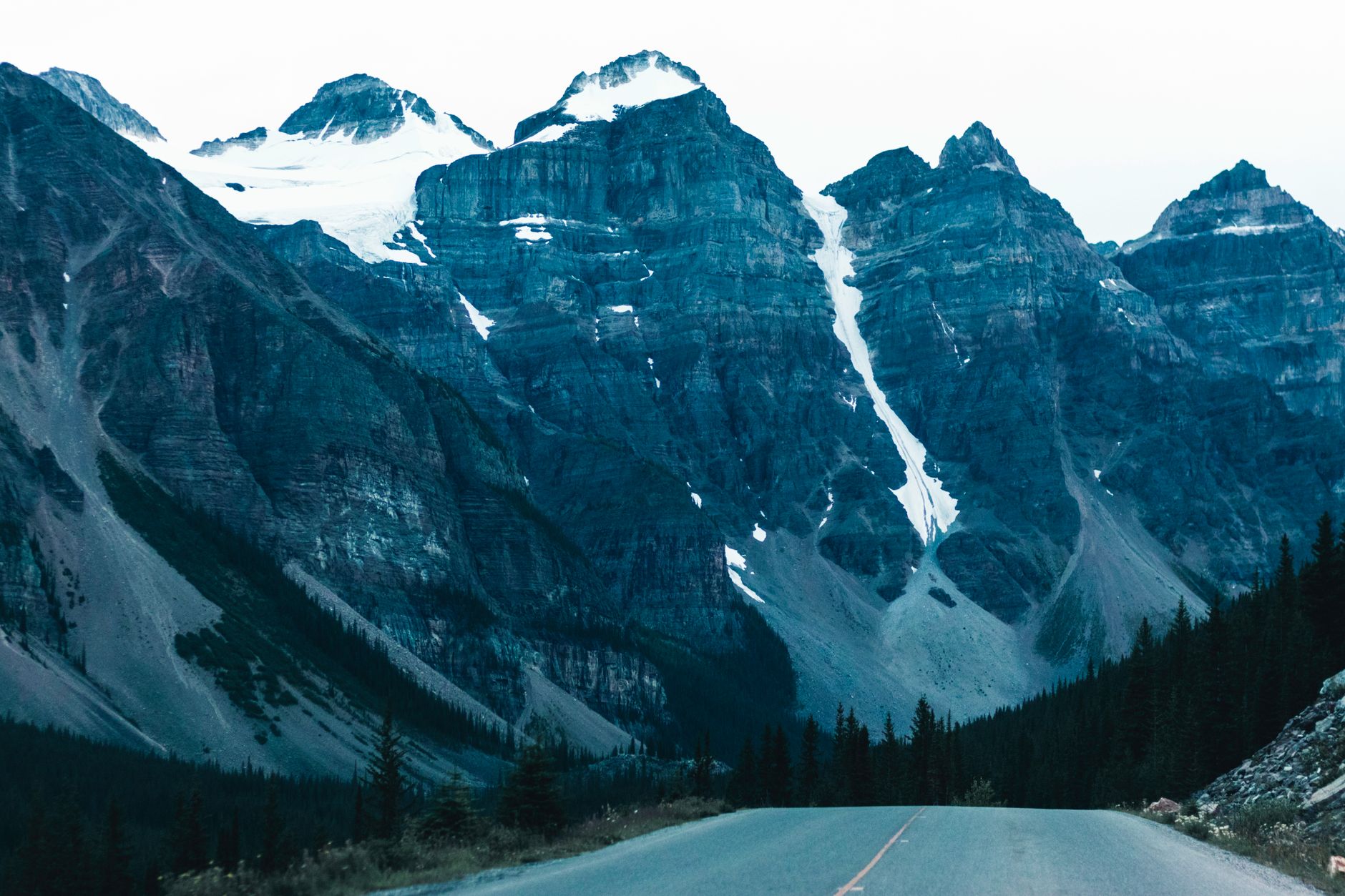
Moraine Lake and the Valley of the Ten Peaks — the postcard view of Banff.
Turquoise lakes so vivid they look photoshopped. Glaciers spilling between jagged peaks. Elk wandering past your hotel. Welcome to Banff National Park — Canada’s oldest national park and arguably the most beautiful mountain playground in North America.
It’s also a place that overwhelms first-timers: huge distances, a famous lake you can’t drive to, and seasons that completely change what’s possible. This guide gives you the essentials so your first Banff trip is smooth, not stressful.
Key Takeaways
- Banff is in the Canadian Rockies, Alberta — you’ll need a Parks Canada pass.
- The icons: Lake Louise, Moraine Lake, Banff townsite, and the Icefields Parkway.
- You can’t drive your own car to Moraine Lake — you must use a shuttle or transit (book ahead).
- Summer is peak (lakes at their bluest); winter is a world-class ski and ice destination.
- Wildlife is everywhere — give animals lots of space and never feed them.
Quick Facts
| 📍 Location | Alberta, Canada (Canadian Rockies) |
|---|---|
| 💳 Entry | Parks Canada pass required (daily or annual) |
| 🏔️ Must-see | Lake Louise, Moraine Lake, Icefields Parkway |
| 🏘️ Base town | Banff (and Lake Louise village) |
| ⏱️ Ideal stay | 4-5 days |
| 🗓️ Best time | June–September (lakes); winter for skiing |
How to Get There
Nearest airport: Calgary International (YYC) is the gateway — about a 1.5-hour drive to Banff townsite along the scenic Trans-Canada Highway.
Getting around: A car gives you the most freedom, but note the big exception below. In peak season, shuttles and public transit (Roam) connect Banff, Lake Louise, and key trailheads — often the smartest way to avoid parking nightmares.
The #1 thing first-timers don’t know: Private vehicles are not allowed at Moraine Lake. You must reserve a shuttle, take a commercial bus, or bike in. Book your shuttle well in advance — they sell out fast in summer.
Best Time to Visit
Summer (June–September): Prime time. The lakes thaw to their famous electric blue (Moraine and Louise are at their best mid-to-late summer), all hikes open up, and the weather is warmest. It’s also the busiest and priciest season — book everything early.
Fall (late September): Brief but gorgeous — golden larch trees draw photographers for a short window, with crisp air and thinning crowds.
Winter (December–March): A world-class destination for skiing, snowboarding, and frozen-lake magic. Banff sits among major ski resorts, and a frozen Lake Louise becomes a postcard. Dress for serious cold.
Spring (April–May): Shoulder season — quieter and cheaper, but lakes may still be frozen and many high trails snowed in.
The Best Things to Do
- Lake Louise — The iconic emerald lake beneath Victoria Glacier. Walk the shoreline, rent a canoe, or hike up to the Lake Agnes Tea House. Arrive very early; parking fills before sunrise in summer.
- Moraine Lake — The bluest of them all, framed by the Valley of the Ten Peaks. The view from the “Rockpile” is the one on every postcard. Remember: shuttle/transit only.
- The Icefields Parkway — One of the most scenic drives on Earth, connecting Lake Louise to Jasper past glaciers, waterfalls, and Peyto Lake. Allow a full day.
- Banff townsite — Charming mountain town with shops, restaurants, and the Banff Gondola up Sulphur Mountain.
- Johnston Canyon — An accessible, popular walk to waterfalls along catwalks.
- Banff Upper Hot Springs — Soak with a mountain view, especially magical in winter.
The Best Hikes (Beginner to Advanced)
- Easy: Johnston Canyon (Lower Falls), Lake Louise lakeshore, Bow River trails
- Moderate: Lake Agnes Tea House, Plain of Six Glaciers, Sulphur Mountain
- Hard: Larch Valley & Sentinel Pass (from Moraine Lake), Cory Pass
Hidden Gems Most Visitors Miss
- Peyto Lake — Off the Icefields Parkway; a wolf-head-shaped lake of unreal blue, with a short walk to the viewpoint.
- Vermilion Lakes — Just outside Banff town; superb sunrise reflections of Mount Rundle with barely anyone around.
- Larch season — For about two weeks in late September, the alpine larches turn gold (Larch Valley is the famous spot).
Where to Stay
- Banff townsite — Most options and the liveliest base; great for first-timers.
- Lake Louise village — Closer to Louise and Moraine, quieter, pricier.
- Canmore — Just outside the park gate; often better value and a short drive in.
- Camping — Several scenic campgrounds; reserve early for summer.
What to Pack
- Layers — mountain weather changes fast, even in summer
- A warm jacket — evenings are chilly year-round at elevation
- Sturdy hiking shoes
- Rain shell and sun protection
- Bear spray for backcountry hikes (and know how to use it)
- Your Parks Canada pass displayed in the car
Wildlife Safety
Banff is home to elk, bighorn sheep, deer, and both black and grizzly bears. Seeing wildlife is a thrill — from a safe distance. Stay well back, never feed animals, carry bear spray on trails, make noise while hiking, and store food securely. Responsible behavior keeps both you and the animals safe.
Suggested 4-Day Itinerary
Here’s a relaxed plan that covers Banff’s icons without rushing:
Day 1 — Banff townsite: Settle in, ride the Banff Gondola up Sulphur Mountain, stroll the town, and soak at the Banff Upper Hot Springs. Catch sunrise reflections at nearby Vermilion Lakes.
Day 2 — Lake Louise: Arrive before sunrise (or take transit), walk the lakeshore, then hike up to the Lake Agnes Tea House and on to the Plain of Six Glaciers.
Day 3 — Moraine Lake & the Valley of the Ten Peaks: Take your pre-booked shuttle at dawn, climb the Rockpile for the postcard view, and (in season) hike Larch Valley toward Sentinel Pass.
Day 4 — Icefields Parkway: Drive part of this legendary road, stopping at Peyto Lake and Bow Lake. Turn around when time runs short, or continue toward Jasper if you have an extra night.
Johnston Canyon makes an easy add-on on any afternoon.
A Quick Story
I set three alarms to make sure I caught the Moraine Lake shuttle at dawn — and grumbled the whole sleepy ride in. Then I climbed the Rockpile just as the sun lit the Valley of the Ten Peaks, turning the lake an impossible shade of blue, and every ounce of grumpiness evaporated. A pre-dawn start in Banff isn’t a sacrifice; it’s the price of admission to magic. Set the alarm.
Worth the Detour: More of the Rockies
If you have extra time, Banff connects to more of the Canadian Rockies:
- Yoho National Park (~40 min west) — Emerald Lake and Takakkaw Falls, with a fraction of Banff’s crowds.
- Jasper National Park — the far end of the Icefields Parkway; wilder and quieter, ideal for an overnight extension.
- Kananaskis Country — a less-touristed mountain playground just southeast, beloved by locals.
- Lake O’Hara (in Yoho) — a strictly limited, bus-access alpine paradise; reserve far ahead.
Practical Tips & Mistakes to Avoid
- Reserve Moraine Lake transport early — you cannot drive there yourself.
- Arrive at Lake Louise before sunrise in summer, or use transit; the lot fills shockingly early.
- Buy your Parks Canada pass ahead and display it.
- Don’t underestimate distances — Banff to Jasper via the Parkway is a big day.
- Carry bear spray and respect wildlife distances.
FAQ
Do you need a pass for Banff National Park? Yes. Everyone needs a valid Parks Canada pass (available as a day pass or an annual Discovery Pass), and it should be displayed in your vehicle.
Can you drive to Moraine Lake? No — private vehicles are not permitted at Moraine Lake. You must take a Parks Canada shuttle, a commercial bus, or bike in, and shuttle reservations sell out fast in summer.
What is the best time to visit Banff? June through September for the famous blue lakes and open hiking, or winter for skiing and frozen-lake scenery. Late September brings the brief, beautiful golden larch season.
How many days do you need in Banff? Plan 4-5 days to comfortably see Lake Louise, Moraine Lake, the Banff townsite, and drive part of the Icefields Parkway without rushing.
Is Banff expensive to visit? It can be, especially in summer when lodging in Banff and Lake Louise peaks. You can cut costs by staying in nearby Canmore, cooking some meals, using the Roam transit instead of paying for parking, and buying the annual Parks Canada Discovery Pass if you’re visiting several days.
Before you go, check fees, shuttles, and conditions on the official Parks Canada – Banff site.
Final Thoughts
Banff can feel huge and logistically tricky on a first visit — the shuttles, the early starts, the distances. But get the basics right (book Moraine Lake transport, start early, respect the wildlife) and you’ll be rewarded with some of the most jaw-dropping mountain scenery on the planet. Set that alarm, grab your pass, and go watch a glacier-fed lake glow blue at sunrise. You’ll never forget it.
Dreaming of more mountains? Compare US giants in our Sequoia vs Yosemite guide, or plan a desert contrast with Zion vs Bryce Canyon. Build your Banff itinerary with our free Trip Planner.
FAQ Schema (paste in a Custom HTML block at the end of the post)
“html “
🌍 Plan & Book Your Trip
Best deals powered by Travelpayouts:
Affiliate links — no extra cost to you.