Best Time to Visit Yosemite National Park (Month-by-Month Guide)
🌍 Plan & Book Your Trip
Best deals powered by Travelpayouts:
Affiliate links — no extra cost to you.
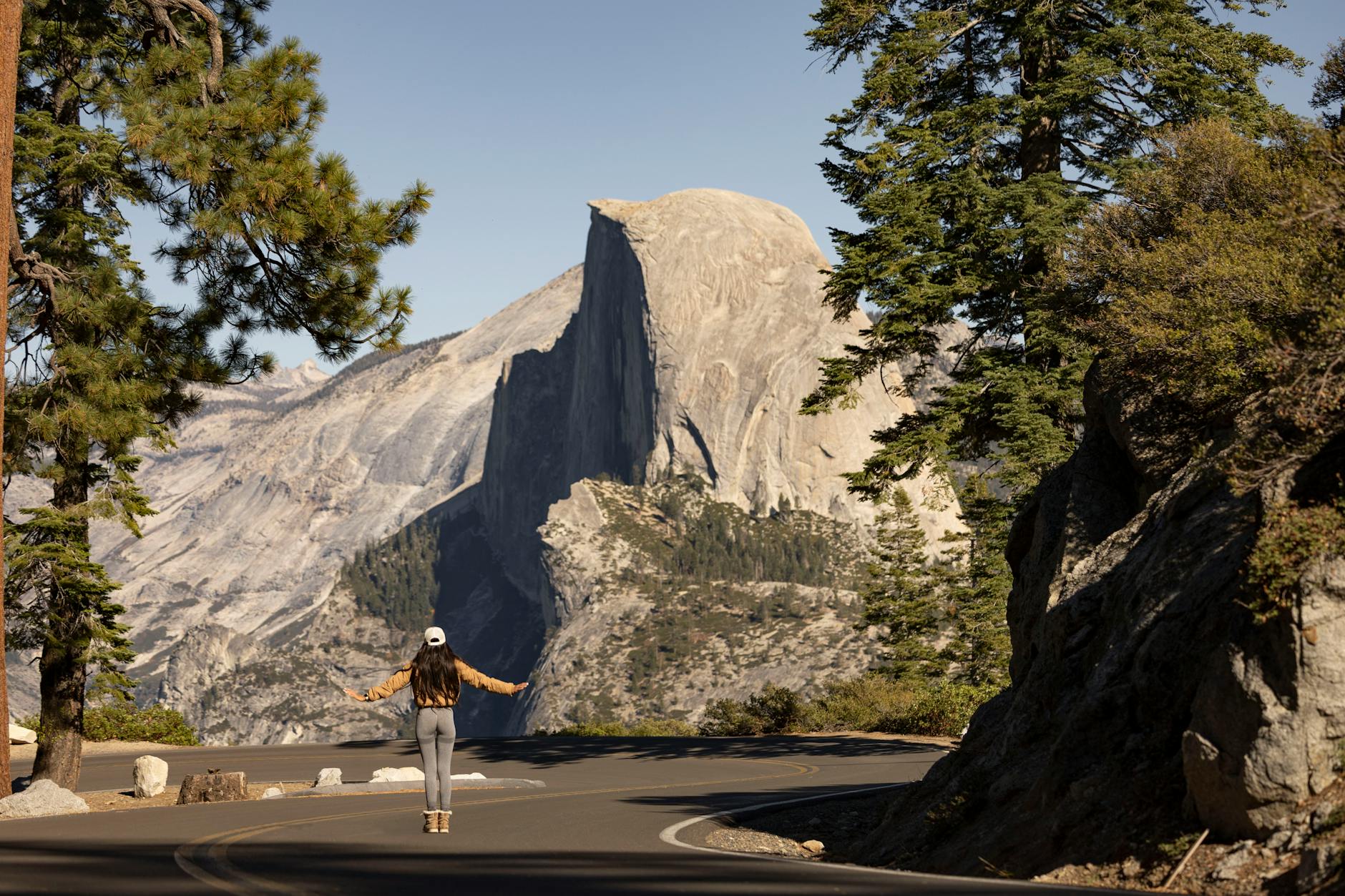
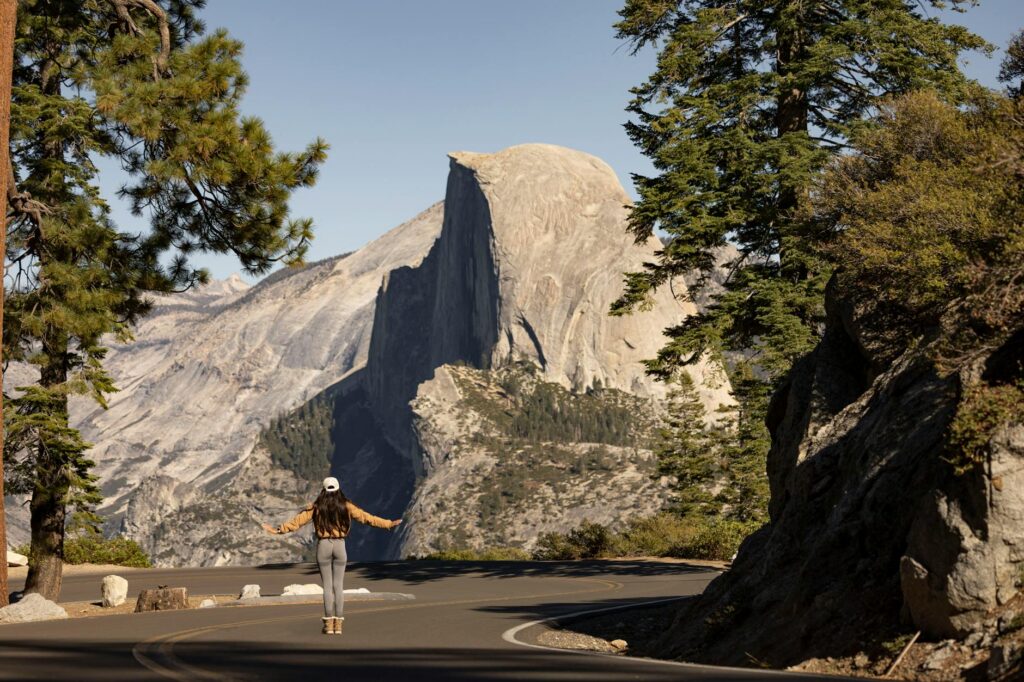
The classic Tunnel View of Yosemite Valley — the experience changes dramatically by season.
Yosemite is stunning every single day of the year — but the experience changes dramatically by season. Come in spring and the waterfalls thunder. Come in fall and you’ll have golden light and breathing room. Come in winter and the granite wears a crown of snow. So what’s the best time to visit Yosemite? It all comes down to what you want most.
Here’s a clear, month-by-month guide to help you choose.
Key Takeaways
- Late spring (May–June) is best for roaring waterfalls.
- September–October offers great weather and noticeably thinner crowds.
- Summer has everything open (including high-country Tioga Road) but the biggest crowds.
- Winter is quiet and magical, but many high roads close with snow.
- Waterfalls are strongest in spring and can dry to a trickle by late summer.
The Short Answer
| Goal | Best Time |
|---|---|
| Full, thundering waterfalls | May–June |
| Fewer crowds + great weather | September–October |
| High country (Tioga Rd, Tuolumne) | July–September |
| Snowy scenery & solitude | December–February |
| Avoiding reservations/crowds | Shoulder seasons & winter |
Month-by-Month Breakdown
January–February (Winter): Yosemite Valley stays open and turns serene under snow. Crowds are light, and the photography is incredible. The catch: high roads like Tioga and Glacier Point are closed, and you may need tire chains. A peaceful, underrated season.
March–April (Early Spring): Waterfalls begin to surge as snow melts, and the valley greens up. Weather is variable and some high roads remain closed, but crowds are still moderate. A great time for waterfall lovers who want to beat the summer rush.
May–June (Late Spring — prime time for waterfalls): This is the magic window. Yosemite Falls and Bridalveil are at their most powerful, the valley is lush, and Tioga Road typically reopens in this stretch (timing varies with snowpack). Crowds build, but the scenery payoff is unmatched.
July–August (Summer — everything open, biggest crowds): All roads are usually open, including the high country at Tuolumne Meadows. It’s warm and lively — and the busiest time of year, often with timed-entry reservations and lots full by mid-morning. Waterfalls slow as the season dries out. Start early and have a plan.
September–October (Fall — the sweet spot): Arguably the best overall time. Crowds drop sharply after Labor Day, temperatures are comfortable, and the light goes golden. Waterfalls are weak, but the trade-off in peace and pleasant hiking weather is worth it for many.
November: Quiet and crisp, with the first snow possible up high. High roads begin closing for the season. A calm, beautiful time before winter sets in.
December: Snow returns to the valley, and (outside the holiday week) crowds are thin. Magical, but plan for chains and seasonal road closures.
The Waterfall Factor
If seeing Yosemite‘s waterfalls at full force is your priority, timing matters a lot. Snowmelt drives the falls, so they peak in late spring (typically May) and can dwindle to a trickle by late summer. Bridalveil tends to run longer than some others, but for the full thundering spectacle, aim for spring.
Want both waterfalls and high-country access? Early-to-mid June is often the best compromise, as Tioga Road usually opens while the falls are still strong.
Where to Stay (and How Far Ahead to Book)
Yosemite lodging is limited and books out fast — often months ahead for summer, and close to a year for the in-park favorites. Your main options:
- In Yosemite Valley — Yosemite Valley Lodge and the historic Ahwahnee put you right under the cliffs; reserve as early as humanly possible.
- Curry Village / Housekeeping Camp — more affordable in-valley options, including tent cabins.
- Wawona & Yosemite West — inside the park but outside the valley, a quieter base.
- Gateway towns — El Portal (closest), Mariposa, Oakhurst, and Groveland offer more availability and value, at the cost of a drive in.
- Campgrounds — valley sites like Upper, Lower, and North Pines are reservable on Recreation.gov and vanish within minutes of release.
Crowds & Reservations by Season
Yosemite’s popularity means timing affects more than just weather:
- Summer is busiest — parking lots fill by mid-morning, and the park has used a timed-entry reservation system in recent peak periods, so check before you drive in.
- Holiday weekends spike crowds in every season, including the February “firefall” window at Horsetail Fall.
- Fall and winter weekdays are the quietest, with easy parking and open valley trails.
Whenever you go, arrive early, use the free valley shuttle, and confirm the current reservation rules ahead of time.
What to Pack by Season
- Spring: waterproof layers and shoes — waterfall spray and mud are real, though afternoons warm up.
- Summer: sun protection, plenty of water, and a light layer for cool high-country mornings on Tioga Road.
- Fall: warm layers for crisp mornings and a tripod for golden light and still reflections.
- Winter: insulated layers, traction spikes for icy paths, and tire chains for the car (often required).
A Quick Reflection
My first Yosemite trip was in August — gorgeous, but I spent a chunk of the day hunting for parking and weaving through crowds at Tunnel View. The next year I returned in late September, and it felt like a different park: easy parking, golden meadows, and quiet trails where I could actually hear the Merced River. The waterfalls were thinner, sure, but the calm was worth every drop. Now fall is my default.
Getting There
The most convenient airport is Fresno (FAT), about 2-2.5 hours from Yosemite Valley. Larger hubs — San Francisco, Oakland, San Jose, or Sacramento — offer more flights but add 3.5-4.5 hours of driving. Regional YARTS buses run from some gateway towns, but a car is strongly recommended for flexibility, especially to reach Glacier Point or the Tioga Road high country. Whatever season you pick, fill your gas tank before entering and download maps offline — cell service is unreliable in the valley and nonexistent up high. A car also lets you chase the best light at dawn and dusk, when the shuttles aren’t yet running.
Best Time for Specific Experiences
| You want to… | Go when |
|---|---|
| See waterfalls at full force | May–June |
| Hike Half Dome (cables up) | Late May–early October (permit required) |
| Drive Tioga Road & Tuolumne | July–September |
| Catch the Horsetail “firefall” | Mid-to-late February |
| Photograph fall color | Late October–early November |
| Stargaze in the high country | Summer nights (Glacier Point, Tioga) |
| Find the smallest crowds | Weekdays in late fall & winter |
Tips No Matter When You Go
- Check for timed-entry reservations in peak season before you drive in.
- Start early to beat crowds and snag parking — then ride the free valley shuttle.
- Confirm road seasons — Tioga and Glacier Point roads close in winter and reopen on snow-dependent dates.
- Book lodging months ahead for summer; gateway towns like Mariposa and Oakhurst help.
- Pack layers — valley heat and high-country cool can both happen in one day.
- Consider a sunrise start at Tunnel View — the iconic vista is least crowded and gorgeously lit early in the morning.
- After a storm, head straight to the valley — clearing fog and snow-dusted granite create Yosemite’s most dramatic scenes.
- Mid-week beats weekends in every season for easier parking and quieter trails.
FAQ
What is the best time to visit Yosemite? Late spring (May–June) for the biggest waterfalls, or September–October for great weather and fewer crowds. Both are excellent; your choice depends on whether waterfalls or solitude matters more.
When are Yosemite’s waterfalls best? They peak in spring, usually around May, when snowmelt is strongest. By late summer, many slow to a trickle, so plan a spring visit if waterfalls are your main goal.
When does Tioga Road open in Yosemite? It typically opens sometime in late spring and closes for winter in fall, but exact dates depend entirely on snowpack each year. Always check current road status before relying on it.
Is Yosemite worth visiting in winter? Yes. The valley stays open, crowds vanish, and snow on the granite is beautiful. Just be ready for chains and closed high-country roads.
How many days do you need in Yosemite? For a first trip, two to three days covers the valley’s icons — Tunnel View, the waterfalls, a meadow sunrise, and a hike or two. Add a day for Glacier Point and another for the Tioga Road high country if you’re visiting in summer. In winter, when the high roads close, two days in the valley is plenty.
Before you go, confirm road seasons (Tioga, Glacier Point), reservations, and conditions on the official Yosemite National Park site.
Final Thoughts
There’s no single “right” answer to the best time to visit Yosemite — only the right time for your trip. Chasing waterfalls? Go in late spring. Want golden light and elbow room? Choose fall. Craving a quiet, snowy wonderland? Brave the winter valley. Whatever you pick, Yosemite delivers — just plan around the season and start your days early.
Planning the Sierra? Read our Yosemite first-timer’s guide and our Sequoia vs Yosemite comparison. Then lock in your dates with our free Trip Planner.