
Great Smoky Mountains National Park: A First-Timer’s Guide
🌍 Plan & Book Your Trip
Best deals powered by Travelpayouts:
Affiliate links — no extra cost to you.
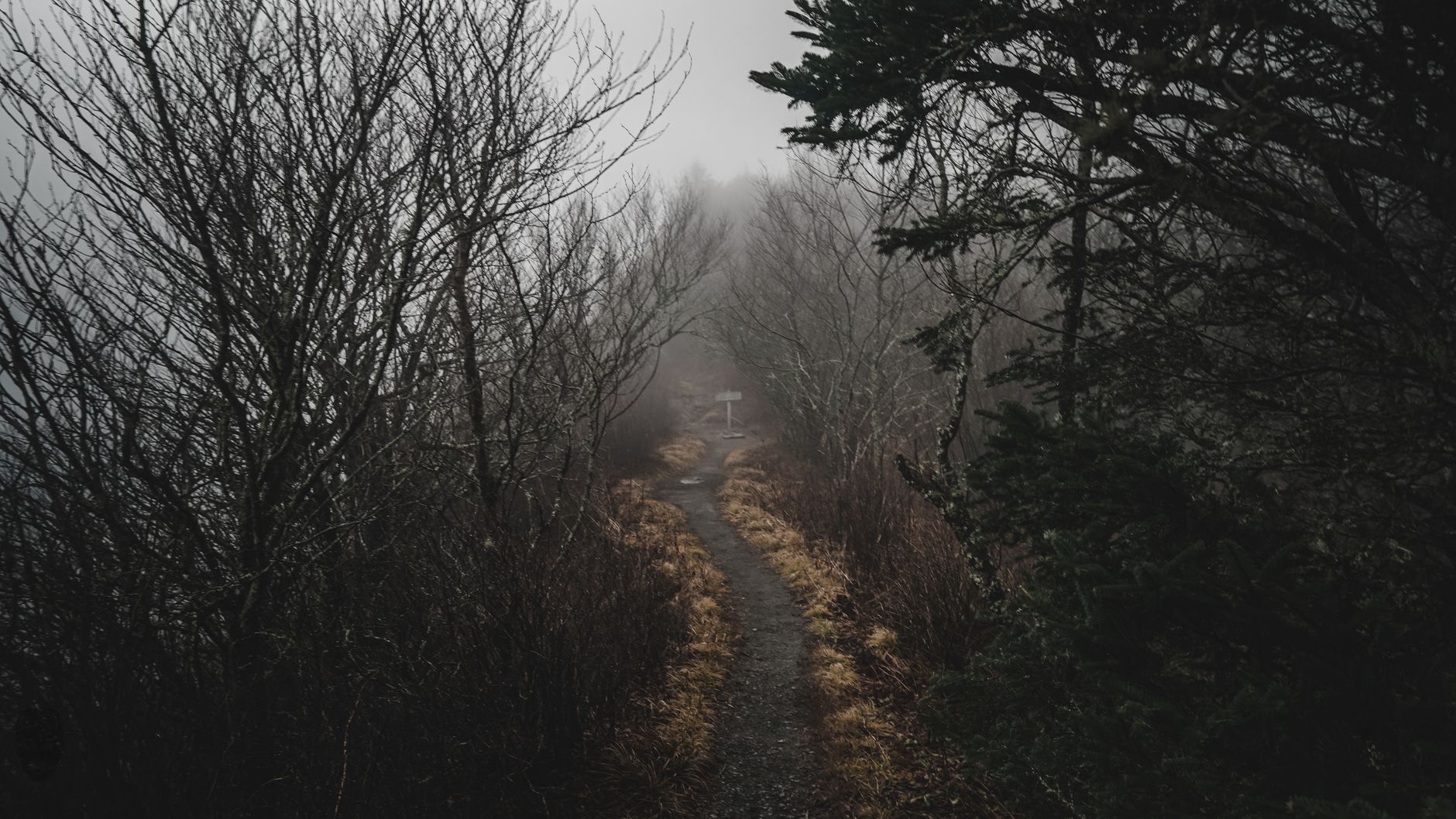
The famous misty blue ridges of the Great Smoky Mountains at dawn.
Misty blue ridges rolling to the horizon, black bears ambling through wildflower meadows, waterfalls hidden down every other trail — the Great Smoky Mountains National Park earns its title as the most visited national park in America. Straddling the border of Tennessee and North Carolina, it’s a place of over 800 miles of trails, historic cabins, and that famous smoky haze drifting over the peaks.
If it’s your first visit, the sheer size can feel overwhelming. This guide cuts through the noise so you know exactly where to go, when to come, and what most first-timers miss.
Key Takeaways
- The Smokies are free to enter — but you now need a paid parking tag to park.
- Best bases: Gatlinburg/Pigeon Forge (TN) and Cherokee/Bryson City (NC).
- Don’t miss Cades Cove, Clingmans Dome, and the park’s many waterfalls.
- It’s one of the best places in the East to see black bears — from a safe distance.
- Fall foliage is spectacular but extremely crowded; plan ahead.
Quick Facts
| 📍 Location | Tennessee / North Carolina border |
|---|---|
| 💰 Entrance fee | Free (but a paid parking tag is required) |
| 🅿️ Best bases | Gatlinburg & Pigeon Forge (TN); Cherokee (NC) |
| ⏱️ Ideal stay | 3 days |
| 🗓️ Best time | Late spring & fall (foliage in October) |
| 🐻 Famous for | Black bears, waterfalls, misty ridges |
Don’t get a ticket: While entry is free, the park requires a paid parking tag to park anywhere for more than 15 minutes. Buy one (daily, weekly, or annual) before you go and display it.
How to Get There
Nearest airports:
- McGhee Tyson (TYS), Knoxville — closest to the Tennessee side (~1 hour to Gatlinburg)
- Asheville (AVL) — convenient for the North Carolina side
- Atlanta (ATL) — ~3-3.5 hours, the biggest hub with the most flights
Getting around: You’ll want a car. The two main gateways are Gatlinburg, TN (north entrance) and Cherokee, NC (south entrance), connected by the scenic Newfound Gap Road that climbs right over the crest of the mountains.
Best Time to Visit
Spring (April–May): Wildflowers explode (the Smokies are called the “Wildflower National Park”), waterfalls run full, and temperatures are pleasant. A fantastic, slightly-less-crowded window.
Summer (June–August): Lush, green, and warm, with afternoon haze and occasional storms. Busy, especially around Gatlinburg, and humid at lower elevations.
Fall (late September–early November): The headliner. Foliage rolls down from the high peaks over several weeks, creating some of the best leaf-peeping in the country — and the heaviest crowds and traffic of the year. Go midweek and start early.
Winter (December–February): Quiet and stark, with possible snow up high. Some roads (like the road to Clingmans Dome) close seasonally, but the solitude is wonderful.
The sweet spot: Late April–May for wildflowers and waterfalls, or mid-October for foliage (with patience for crowds).
The Best Things to Do
- Cades Cove — An 11-mile scenic loop through a broad valley ringed by mountains. The single best spot in the park for wildlife (bears, deer, turkeys) and historic cabins. Go at sunrise; traffic crawls later. Allow 2-4 hours.
- Clingmans Dome — The highest point in the park (and in Tennessee). A steep half-mile paved path leads to a futuristic observation tower with 360° views over the sea of ridges. Road closed in winter.
- Newfound Gap Road — The scenic drive over the crest connecting TN and NC, with overlooks the whole way.
- Laurel Falls — A popular, paved-ish trail to a pretty 80-foot waterfall (~2.6 miles round trip).
- Roaring Fork Motor Nature Trail — A narrow one-way loop near Gatlinburg with old cabins, streams, and trailheads.
- Rainbow Falls or Grotto Falls — More waterfall hikes; Grotto Falls lets you walk behind the falls.
The 7 Best Hikes (Beginner to Advanced)
- Easy: Laurel Falls, Gatlinburg Trail, Cades Cove Nature Trail
- Moderate: Grotto Falls, Andrews Bald (from Clingmans Dome)
- Hard: Chimney Tops (steep), Alum Cave Trail to Mount LeConte (long, iconic), Rainbow Falls to LeConte
Hidden Gems Most Visitors Miss
- Roaring Fork’s quieter trailheads — Many people drive the loop but never hike the streams off it.
- The North Carolina side (Deep Creek, near Bryson City) — Waterfalls and tubing with a fraction of the Gatlinburg crowds.
- Sunrise at Cades Cove — The same loop everyone drives, but at dawn it’s misty, golden, and nearly empty — and the wildlife is most active.
Where to Stay
- Gatlinburg, TN — Walkable, touristy, closest to the action; great for first-timers.
- Pigeon Forge, TN — Family attractions (and Dollywood) just up the road.
- Townsend, TN — The “quiet side,” closest to Cades Cove.
- Cherokee / Bryson City, NC — Calmer bases for the North Carolina side.
- Camping: Cades Cove and Elkmont campgrounds are popular — reserve early.
What to Pack
- Layers — temperatures drop sharply from the foothills to Clingmans Dome
- Rain jacket — the Smokies are wet; afternoon showers are common
- Sturdy shoes for muddy, root-laced trails
- Bug spray in summer
- Binoculars for wildlife in Cades Cove
- Your parking tag displayed in the car
Wildlife Safety (Especially Bears)
The Smokies are home to roughly 1,500 black bears, and seeing one is a highlight — from a distance. Stay at least the recommended distance away, never feed wildlife, store food properly, and keep your distance in Cades Cove. A bear that gets human food often ends up dead, so responsible viewing genuinely saves lives.
Suggested 3-Day Itinerary
Want a ready-made plan? Here’s a simple route that hits the highlights without backtracking:
Day 1 — Tennessee side & Cades Cove: Start at sunrise in Cades Cove for wildlife and historic cabins, then explore the Roaring Fork Motor Nature Trail and an easy waterfall hike like Laurel Falls in the afternoon.
Day 2 — Over the crest: Drive Newfound Gap Road across the mountains, stopping at the overlooks, then take the steep half-mile climb to the Clingmans Dome tower for the big panorama. Add Andrews Bald if you want more trail time.
Day 3 — Waterfalls or the NC side: Pick a bigger waterfall hike (Grotto Falls, where you walk behind the falls, or Rainbow Falls) on the Tennessee side, or cross to the quieter North Carolina side around Deep Creek near Bryson City.
Have a fourth day? Tackle the iconic Alum Cave Trail toward Mount LeConte, one of the park’s most rewarding longer hikes.
A Quick Story
My favorite Smokies morning started before sunrise at Cades Cove, coffee steaming, fog still hugging the meadows. While most visitors were still asleep in Gatlinburg, I watched a mother bear and two cubs cross a field in that soft early light, with the mountains glowing pink behind them. By 10 a.m. the loop was bumper-to-bumper. The lesson stuck: in the Smokies, the early riser gets the magic.
Practical Tips & Mistakes to Avoid
- Buy your parking tag in advance — rangers do check.
- Start early, especially at Cades Cove and in fall — traffic is the park’s biggest hassle.
- Don’t rely on cell service — download maps offline.
- Check road statuses (Clingmans Dome and some others close seasonally).
- Respect wildlife distances — it’s the law and it protects the bears.
FAQ
Is there an entrance fee for the Great Smoky Mountains? There’s no entrance fee to drive through, but the park now requires a paid parking tag to park for more than 15 minutes. Tags are available daily, weekly, or annually.
How many days do you need in the Great Smoky Mountains? Three days is ideal — one for Cades Cove and the Tennessee side, one for Newfound Gap Road and Clingmans Dome, and one for waterfalls or the North Carolina side. A weekend works for the highlights.
What is the best time to visit the Smoky Mountains? Late spring (April–May) for wildflowers and waterfalls, or mid-October for fall foliage. Both are gorgeous; fall is the most crowded.
Where is the best place to see bears in the Smokies? Cades Cove is the most reliable spot, especially at sunrise and in the evening. Always observe from a safe distance and never feed wildlife.
Do you need a reservation to visit the Great Smoky Mountains? No reservation is needed to enter, but you must buy and display a paid parking tag to park for more than 15 minutes. Popular areas like Cades Cove also have vehicle-free mornings on certain days — check the schedule before you go.
Before you go, check current conditions, parking tags, and road closures on the official Great Smoky Mountains National Park site.
Final Thoughts
The Great Smoky Mountains can feel huge and overwhelming on a first visit — but now you’ve got the playbook: grab your parking tag, base yourself in Gatlinburg or Cherokee, and beat the crowds with early starts. Watch the fog lift over Cades Cove just once, and you’ll understand why these misty blue mountains pull more visitors than any other national park in America.
Heading out West next? Compare Zion vs Bryce Canyon and Sequoia vs Yosemite. Build your full Smokies itinerary with our free Trip Planner.
🌍 Plan & Book Your Trip
Best deals powered by Travelpayouts:
Affiliate links — no extra cost to you.

Great post,Thanks for sharing