10 Best Hikes Near Phoenix, Arizona (2026)

10 Best Hikes Near Phoenix, Arizona (2026)
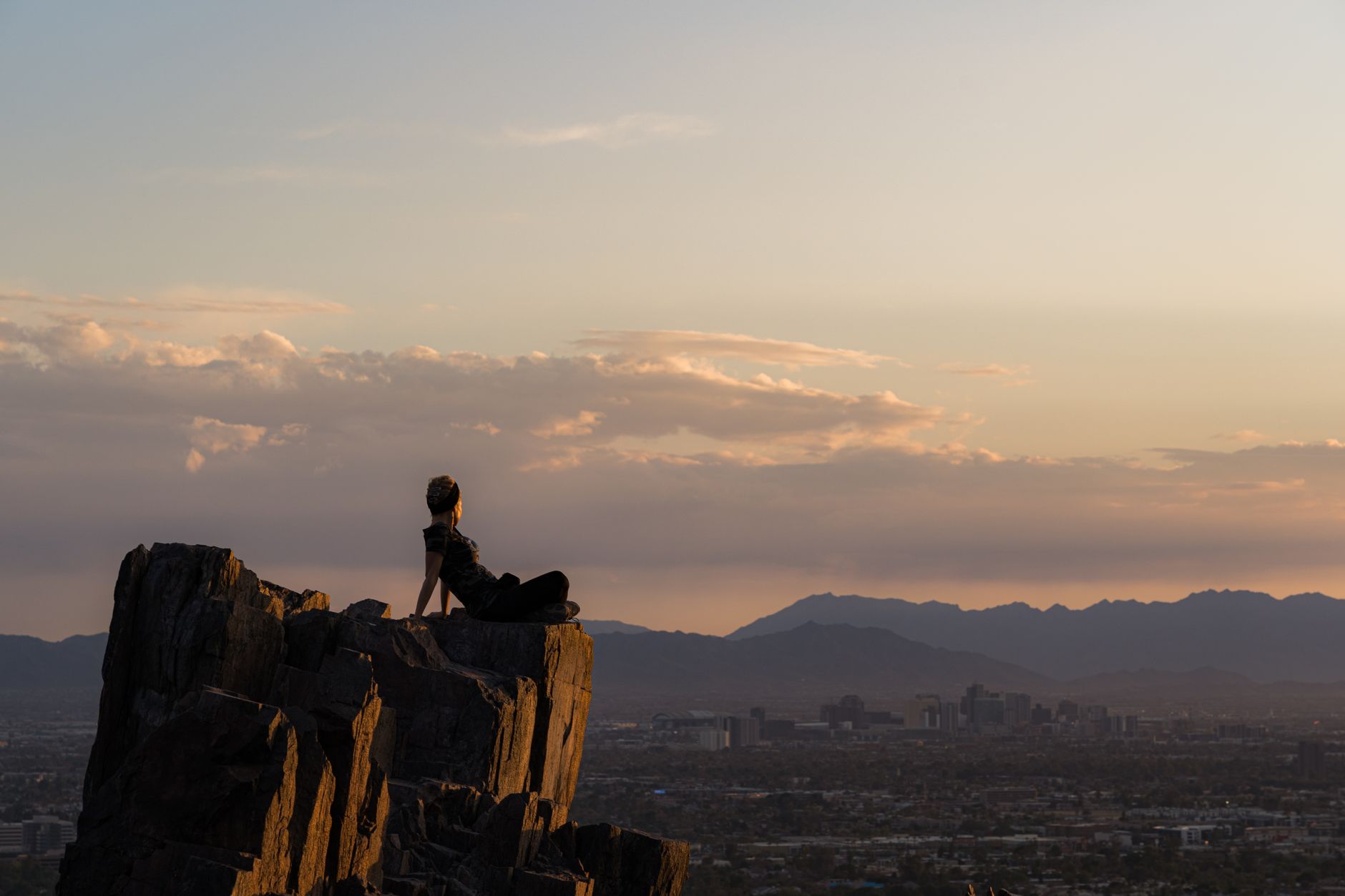
Photo by Matthew Jackson on Pexels

10 Best Hikes Near Phoenix, Arizona (Desert Trails for Every Level)

🌍 Plan & Book Your Trip

Compare the best deals for this destination — flights, hotels, tours and more:

Affiliate links — we may earn a commission at no extra cost to you.

Sunrise is the secret to hiking Phoenix — beat the heat, catch the golden light on the saguaros, and have the trail mostly to yourself.

People assume Phoenix is just strip malls and sprawl baking under a relentless sun. They’re missing the best part: this is one of the great urban hiking cities in America, ringed by rugged desert mountains laced with hundreds of miles of trails. When I went looking for the best hikes near Phoenix, I found everything from brutal calf-burning summit climbs to gentle saguaro-lined strolls — many of them within 20 minutes of downtown. The catch? This is the Sonoran Desert, and the heat here isn’t a minor inconvenience. It’s a genuine, life-threatening hazard you have to plan around.

Phoenix sits in the Valley of the Sun, surrounded by mountain preserves and wilderness areas full of towering saguaro cacti, jagged volcanic peaks, and that distinctive desert beauty that glows at sunrise and sunset. The hiking season here is essentially backwards from most of the country — the prime months are October through April, when temperatures are gorgeous. Summer hiking is possible but requires extreme caution. Get the timing and safety right, and the desert will absolutely win you over.

Key Takeaways

  • Best months are October–April. Summer (May–September) brings dangerous 100–115°F heat — hike only at dawn, if at all.
  • The two famous summit hikes are Camelback Mountain and Piestewa Peak — both short, steep, and crowded.
  • Camelback’s trails CLOSE during extreme heat warnings. The city restricts access on the most dangerous days.
  • Carry far more water than you think — at least 1 liter per hour in heat, more on summit climbs.
  • Start at sunrise. It’s cooler, less crowded, has the best light, and keeps you off exposed trails by midday.
  • The Superstition Mountains offer the wildest, most dramatic hiking, about an hour east of the city.
  • Watch for desert hazards: heat illness, dehydration, rattlesnakes, and steep, loose footing.

Quick Facts

DetailInfo
RegionValley of the Sun, Sonoran Desert, central Arizona
Best monthsOctober–April (cool, ideal hiking)
Summer warningMay–Sept highs of 100–115°F — extreme heat danger
Famous summitsCamelback Mountain, Piestewa Peak
Wildest hikingSuperstition Mountains (~1 hr east)
Water rule1+ liter per hour in heat; turn back if you run low
Best time of daySunrise (cooler, less crowded, best light)
Heat closuresCamelback/Echo Canyon may close on extreme-heat days
Hikes listed10 (3 easy, 4 moderate, 3 hard)

⚠️ Read This First: Desert Heat Safety

I’m putting this at the top because it matters more than any trail recommendation. People die hiking near Phoenix every year — almost always from heat-related illness and dehydration. The desert is deceptively dangerous because it doesn’t feel humid; you sweat and it evaporates instantly, so you don’t realize how much water you’re losing until you’re in trouble.

The non-negotiable rules:

  • Hike at sunrise. In warmer months, be off the mountain before it heats up. By 9 or 10 AM in spring/fall (or by 7 AM in summer), exposed trails become ovens.
  • Carry 1+ liter of water per hour, plus electrolytes. For a summit hike, that’s often 2–3 liters minimum.
  • Avoid hiking in summer heat entirely on exposed trails. If you must, do a short, shaded trail at dawn only.
  • Know the signs of heat illness: dizziness, nausea, headache, confusion, stopping sweating. If you feel these, get to shade, cool down, and call for help.
  • Turn around early. Remember it’s often hotter on the way down, and you’ll be more tired.
  • Wear sun protection — hat, sunglasses, SPF, light long sleeves.
  • The City of Phoenix closes Camelback and other tough trails during Excessive Heat Warnings. Respect the closures — they exist because of repeated rescues and deaths.
The desert is stunning and absolutely worth hiking. Just treat the heat with the same respect you’d give a winter blizzard — because it’s every bit as deadly.

The 10 Best Hikes Near Phoenix

EASY HIKES (Family-Friendly)

1. Hole-in-the-Rock (Papago Park)

DetailInfo
Distance0.4 miles round trip
Elevation gain200 feet
DifficultyEasy
Drive from downtown15 minutes
Best seasonYear-round (dawn in summer)
A short scramble up to a natural rock opening with a sweeping view of the city and surrounding buttes. It’s a Phoenix classic — easy enough for kids, and a favorite sunset spot.

Why I love it: Maximum reward for almost no effort. Sitting inside the “hole” watching the sun set over the Valley is a quintessential Phoenix experience.

Tips:

  • Great for sunset, but bring a headlamp for the walk back.
  • Combine with the nearby Desert Botanical Garden.
  • Still hot in summer — go early even though it’s short.

2. South Mountain – Holbert or Kiwanis Trails

DetailInfo
DistanceVaries (1–5+ miles)
Elevation gainVaries
DifficultyEasy-Moderate
Drive from downtown20 minutes
Best seasonOctober–April
South Mountain Park is one of the largest municipal parks in the country, with a huge network of trails. You can do a short, gentle walk or link trails for a bigger day. Dobbins Lookout offers a panoramic Valley view (you can even drive up if hiking isn’t your thing).

Why I love it: The sheer variety. There’s a trail here for every mood and fitness level, all close to the city.

Tips:

  • Pick up a trail map — the network is big and easy to misjudge.
  • Exposed and hot; early starts only in warm months.
  • Watch for cyclists on shared trails.

3. Tom’s Thumb (lower section)

DetailInfo
Distanceup to 4.2 miles round trip
Elevation gain~1,150 feet (full); less if you turn early
DifficultyEasy-Moderate (lower) / Hard (full)
Drive from downtown40 minutes (McDowell Sonoran Preserve)
Best seasonOctober–April
In the gorgeous McDowell Sonoran Preserve in north Scottsdale, this trail can be a gentle desert stroll or a full climb to the Tom’s Thumb rock formation. The lower section makes a great easy desert walk among boulders and saguaros.

Why I love it: The McDowell Preserve has some of the prettiest, best-maintained desert trails in the Valley, with classic Sonoran scenery.

Tips:

  • Free parking with restrooms at the trailhead.
  • The full hike to the Thumb is a real workout — pace yourself.
  • Beautiful in spring when desert wildflowers bloom.

MODERATE HIKES (Half-Day Adventures)

4. Piestewa Peak Summit

DetailInfo
Distance2.4 miles round trip
Elevation gain1,200 feet
DifficultyModerate-Hard
Drive from downtown15 minutes (Phoenix Mountains Preserve)
Best seasonOctober–April
Piestewa Peak (formerly Squaw Peak) is the city’s second-highest point and a beloved local fitness challenge. The summit trail is short but steep and rocky, climbing relentlessly to a 360-degree view of the entire Valley.

Why I love it: It’s a quick, intense workout with a huge payoff, right in the middle of the city. Locals treat it like an outdoor StairMaster.

Tips:

  • Very popular — go at sunrise for cooler temps and parking.
  • Lots of rock steps; trekking poles help on the descent.
  • No shade — carry water even on this short hike.

5. Camelback Mountain – Echo Canyon

DetailInfo
Distance2.4 miles round trip
Elevation gain1,280 feet
DifficultyHard (rated “extremely difficult” by the city)
Drive from downtown20 minutes
Best seasonOctober–April (CLOSES on extreme-heat days)
Camelback is THE iconic Phoenix hike — the city’s highest peak and a genuine challenge. The Echo Canyon route is short but brutal, with steep rock scrambles, handrail sections, and zero shade. The summit view is spectacular, and the sense of accomplishment is real.

Why I love it: It’s a true summit scramble in the heart of a major city. Reaching the top of Camelback feels like an achievement every time.

Tips:

  • This is NOT a beginner hike despite its short length — it involves real scrambling.
  • The city CLOSES Camelback trails during Excessive Heat Warnings. Check before you go.
  • Start at sunrise; the lot fills fast and the rock gets dangerously hot.
  • Carry 2+ liters of water. This trail accounts for many of the Valley’s rescues.

6. Tom’s Thumb (full summit)

DetailInfo
Distance4.2 miles round trip
Elevation gain1,150 feet
DifficultyModerate-Hard
Drive from downtown40 minutes (McDowell Sonoran Preserve)
Best seasonOctober–April
The full hike to the Tom’s Thumb formation is a rewarding climb through giant granite boulders to a distinctive rock spire and panoramic views over Scottsdale and the McDowells.

Why I love it: The boulder scenery is unique in the Valley, and the well-built trail makes the climb manageable. It feels more remote than the in-city peaks.

Tips:

  • Excellent trailhead facilities (parking, restrooms, shade ramada).
  • Great spring wildflowers.
  • Still fully exposed — early starts in warm months.

7. Pinnacle Peak

DetailInfo
Distance3.5 miles round trip
Elevation gain1,300 feet (rolling)
DifficultyModerate
Drive from downtown40 minutes (north Scottsdale)
Best seasonOctober–April
A well-maintained, scenic out-and-back through pristine high Sonoran Desert. Unlike the summit grinds, Pinnacle Peak rolls along a ridgeline with interpretive signs, big saguaros, and views of Troon and the surrounding peaks. Note: the trail goes around the peak, not to the very top.

Why I love it: It’s the “nice” desert hike — beautifully maintained, educational, and scenic without being a brutal scramble. Great for a relaxed morning.

Tips:

  • Free parking and restrooms.
  • Climbers often visit the granite spires — fun to watch.
  • Bring water; it’s exposed despite the gentle grade.

HARD HIKES (Full-Day / Desert Wilderness)

8. Flatiron via Siphon Draw (Superstition Mountains)

DetailInfo
Distance5.5–6 miles round trip
Elevation gain~2,800 feet
DifficultyVery Hard
Drive from downtown1 hour (Lost Dutchman State Park)
Best seasonNovember–March
The Flatiron is the ultimate Phoenix-area challenge — a punishing scramble up the face of the Superstition Mountains to a flat, prow-like summit jutting over the desert. The upper section involves serious route-finding and hands-on Class 3 scrambling up a steep, rocky chute.

Why I love it: It’s the most adventurous, wildest-feeling hike near Phoenix. Standing on the Flatiron with the desert stretching out 2,800 feet below is unforgettable.

Tips:

  • This is a strenuous, technical hike — only for experienced, fit hikers.
  • Easy to lose the route in the upper scramble; follow cairns carefully.
  • Start before dawn — it’s long, exposed, and dangerous in heat.
  • Lost Dutchman State Park charges an entry fee.

9. Peralta Trail to Fremont Saddle (Superstition Mountains)

DetailInfo
Distance4.6 miles round trip
Elevation gain1,400 feet
DifficultyHard
Drive from downtown1 hour
Best seasonNovember–March
One of the most scenic hikes in the Superstitions, climbing through a dramatic canyon to Fremont Saddle and its postcard view of Weavers Needle — a massive volcanic spire that’s the symbol of the range.

Why I love it: The view of Weavers Needle from the saddle is one of the best in Arizona, and the canyon hike to get there is gorgeous. Wilder and quieter than the in-city peaks.

Tips:

  • The access road to the trailhead is rough — drive slowly.
  • No water on trail; carry plenty.
  • Excellent spring wildflowers in good years.

10. Cholla Trail (Camelback Mountain)

DetailInfo
Distance2.6 miles round trip
Elevation gain1,300 feet
DifficultyHard
Drive from downtown20 minutes
Best seasonOctober–April (heat closures apply)
The other route up Camelback, the Cholla Trail approaches from the east and is slightly less of a scramble than Echo Canyon (though still very tough near the top). It follows a ridgeline with great views before the steep final push.

Why I love it: A different, ridgeline-focused way to summit Camelback, often a touch less crowded at the start.

Tips:

  • Parking for Cholla has been restricted in the past — check current access rules.
  • Same extreme-heat closures apply as Echo Canyon.
  • The final scramble is steep and exposed — turn back if unsure.

Comparison: Which Phoenix Hike Should You Choose?

If You Want…Do This HikeWhy
Easy + iconicHole-in-the-RockShort, scenic, family-friendly
A city fitness grindPiestewa PeakQuick, steep, central
The ultimate summitCamelback (Echo Canyon)Phoenix’s hardest in-city scramble
Pretty, relaxed desertPinnacle PeakWell-built, scenic, educational
The wildest adventureFlatiron (Superstitions)Epic scramble, huge payoff
Best view-to-effortPeralta to Fremont SaddleWeavers Needle panorama

Best Time to Hike Near Phoenix

SeasonConditionsVerdict
Winter (Dec–Feb)60–70°F days, cool nightsPrime season — perfect hiking
Spring (Mar–Apr)70–90°F, wildflowers bloomExcellent — start early as it warms
Summer (May–Sep)100–115°F, extreme heatDangerous — dawn only, short/shaded trails, or skip
Fall (Oct–Nov)Cooling from hot to pleasantGreat — improves through the season
The takeaway: October through April is the hiking season in Phoenix. Summer flips the script — it’s too dangerous for most exposed trails, so locals either hike at dawn, head to the cooler high country (like the trails near Flagstaff or Sedona), or wait it out.

What to Pack for Desert Hiking

  • Water — and lots of it. 1+ liter per hour, plus electrolytes/salty snacks
  • Sun protection — wide-brim hat, sunglasses, SPF, light long sleeves
  • Sturdy shoes with grip — desert trails are rocky and loose
  • A headlamp for those sunrise/sunset starts
  • A charged phone with offline maps (and tell someone your plan)
  • A small first-aid kit and knowledge of heat-illness signs
  • Trekking poles for the steep, loose descents

Desert Wildlife & Hazards

The Sonoran Desert is full of life, some of which you’ll want to avoid. Rattlesnakes are common (especially spring through fall) — stay on trail, watch where you put hands and feet, and give them space; they’ll leave you alone if you do the same. Watch for spiny cholla cactus (“jumping cholla” segments cling to skin and shoes), scorpions, and Gila monsters. But honestly, the deadliest thing in this desert isn’t an animal — it’s the heat and dehydration. Respect both and you’ll be fine.

A Quick Reflection

I’ll admit it: my first attempt at Camelback was a humbling disaster. I started at 10 AM in late April — already too late — with a single half-liter bottle of water, figuring “it’s only 1.2 miles up, how hard can it be?” By the halfway point I was dizzy, my water was gone, and the rock was radiating heat like a frying pan. A retired local on his way down took one look at me, handed me his spare bottle without a word, and said, “Turn around, kid. The mountain’ll be here tomorrow.” I did. It was the smartest thing I did all trip.

The next morning I came back at 5:30 AM, before the sun cleared the horizon, with two full liters and electrolyte tabs. Completely different mountain. I scrambled up in the cool blue dawn, reached the summit just as the sun lit up the entire Valley of the Sun in gold, and shared the top with a handful of quiet locals sipping coffee from thermoses. It was glorious — and totally safe.

That stranger’s spare water bottle taught me the single most important lesson about hiking near Phoenix: the desert doesn’t care how fit or stubborn you are. Start at dawn, carry too much water, and turn around early. Do that, and the Sonoran Desert will give you some of the most beautiful sunrises of your life. Ignore it, and it’ll send you home in an ambulance — or worse.

Frequently Asked Questions

For current trail status and heat-safety guidance, check the City of Phoenix Parks & Recreation hiking page before you go.

Final Thoughts

Phoenix surprised me. I expected sprawl and got one of the most accessible, varied urban hiking scenes in the country — towering saguaros, dramatic summit scrambles, and desert sunrises that genuinely take your breath away. Camelback and Piestewa Peak deliver in-city workouts, the McDowell and Pinnacle Peak preserves offer gorgeous, well-built desert trails, and the Superstition Mountains provide true wilderness adventure an hour away.

But the desert demands respect in a way few hiking destinations do. Time your visit for October through April, hike at sunrise, carry far more water than feels reasonable, and never ignore a heat closure or that little voice telling you to turn around. Do that, and the Sonoran Desert will reward you with sunrises and scenery you’ll be telling people about for years.

Start early. Drink more. Turn around sooner. Then enjoy the show.

Planning an Arizona hiking trip? Use our Trip Planner to organize your hike list, map trailheads, and plan around the desert heat.

Related Reading:

✈️ Planning your trip?

Compare cheap flights, hotels and car rentals for your adventure.

Find Cheap Flights →Compare Hotels →

🌍 Plan & Book Your Trip

Compare the best deals for this destination — flights, hotels, tours and more:

Affiliate links — we may earn a commission at no extra cost to you.

Leave a Comment

Your email address will not be published. Required fields are marked *

Scroll to Top